
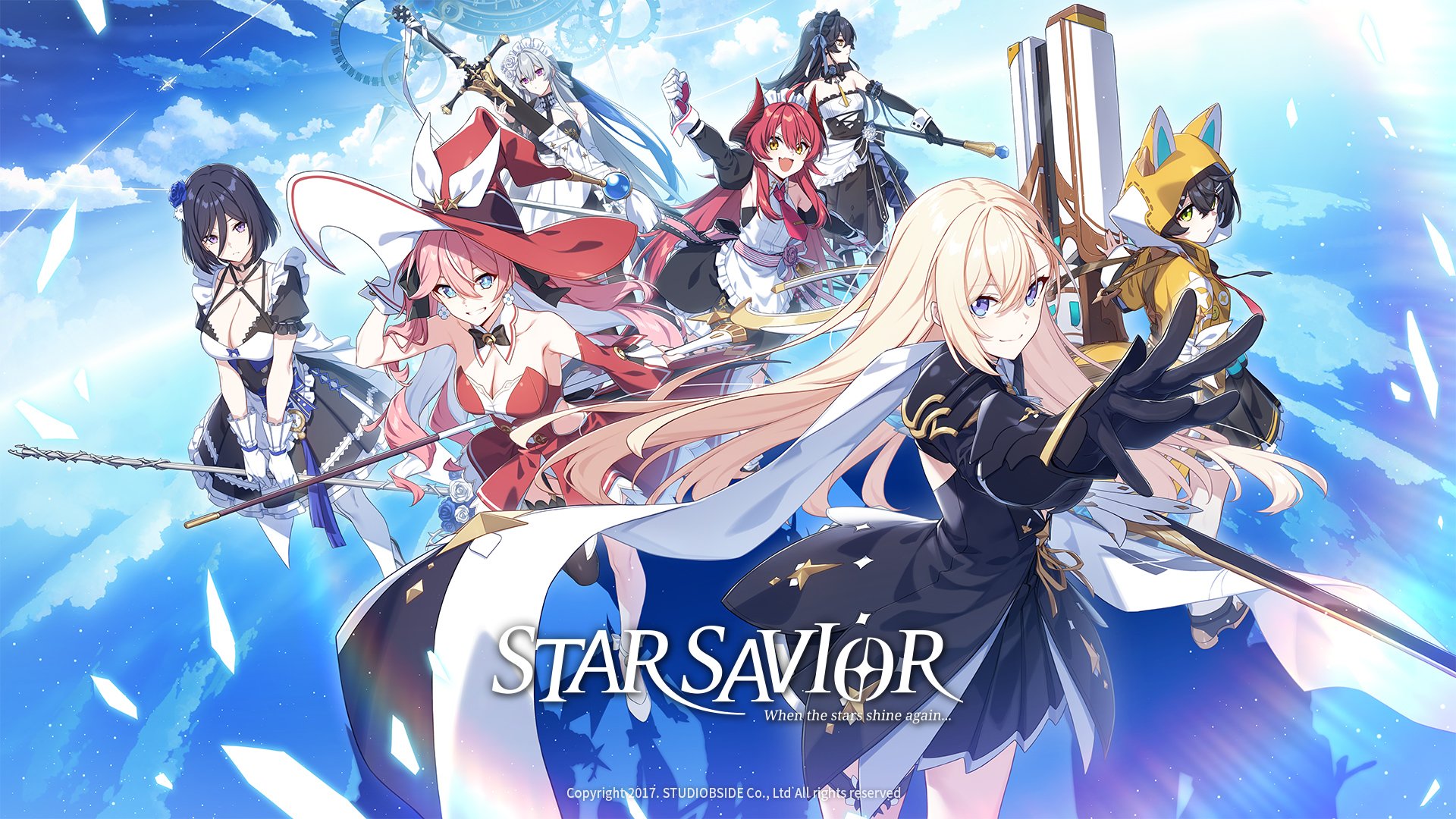
It’s been just over a month since Star Savior launched globally.
Developed by Korean studio StudioBside (the team behind Counter:Side), this 3D anime-style turn-based RPG arrived on PC (Steam), Android, and iOS on March 19, 2026, with full multi-language support including English.
From day one, the game has been defined by a single label: “a mashup of three different games.” Community consensus across Steam, PTT, Bilibili, and various forums is blunt: “the core training loop is ripped from Uma Musume, the combat is Honkai: Star Rail lite, and the gear system is straight out of Epic Seven.” Unsurprisingly, into a single game caused its launch reception to crater. Steam reviews initially sank to around 46% positive, buried under complaints about performance stutters, incomplete translations, and PvP pay-to-win gaps.
But a month later, the script hasn’t followed the usual “Franken-game dies on arrival” plotline.
As of April 22, 2026, Star Savior has gathered 2,243 Steam reviews with a 61.74% positive rating, sitting at “Mixed.” Peak concurrent players over the past 30 days hit 16,330, around 6,800 at the time of writing.
Climbing from “Mostly Negative” territory to a near-positive “Mixed” in under five weeks—a roughly 16-point swing—makes one thing clear: the core gameplay loop has found its audience.
This review breaks down everything you need to know: the gameplay systems, the meta tier list, gacha economy and rates, performance issues, the latest roadmap, and ultimately—who should (and shouldn’t) bother downloading.
1. Core Gameplay: Stitched Together, But the Loop Holds
The “Journey” System – The Soul of the Game (Think Uma Musume)
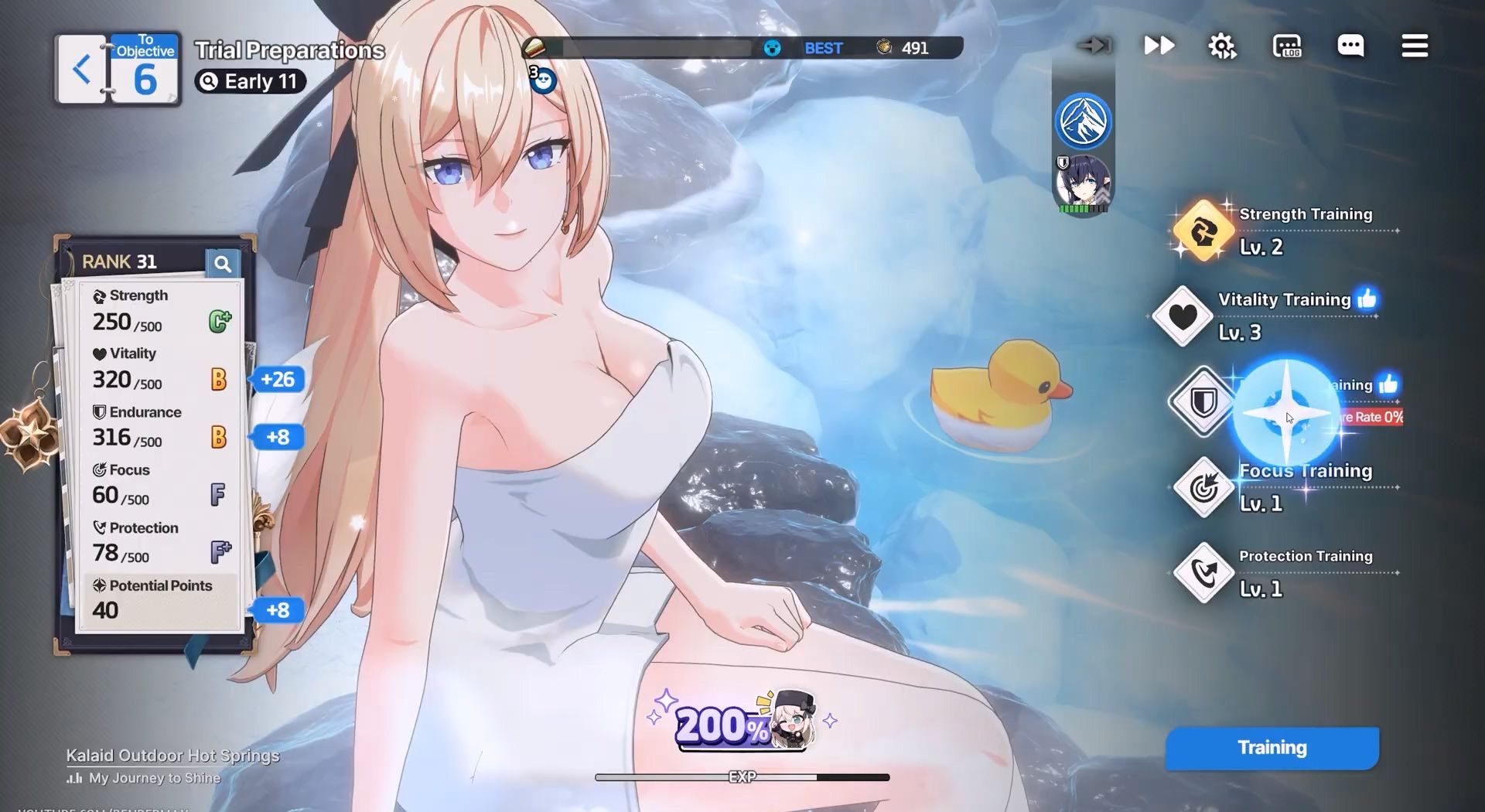
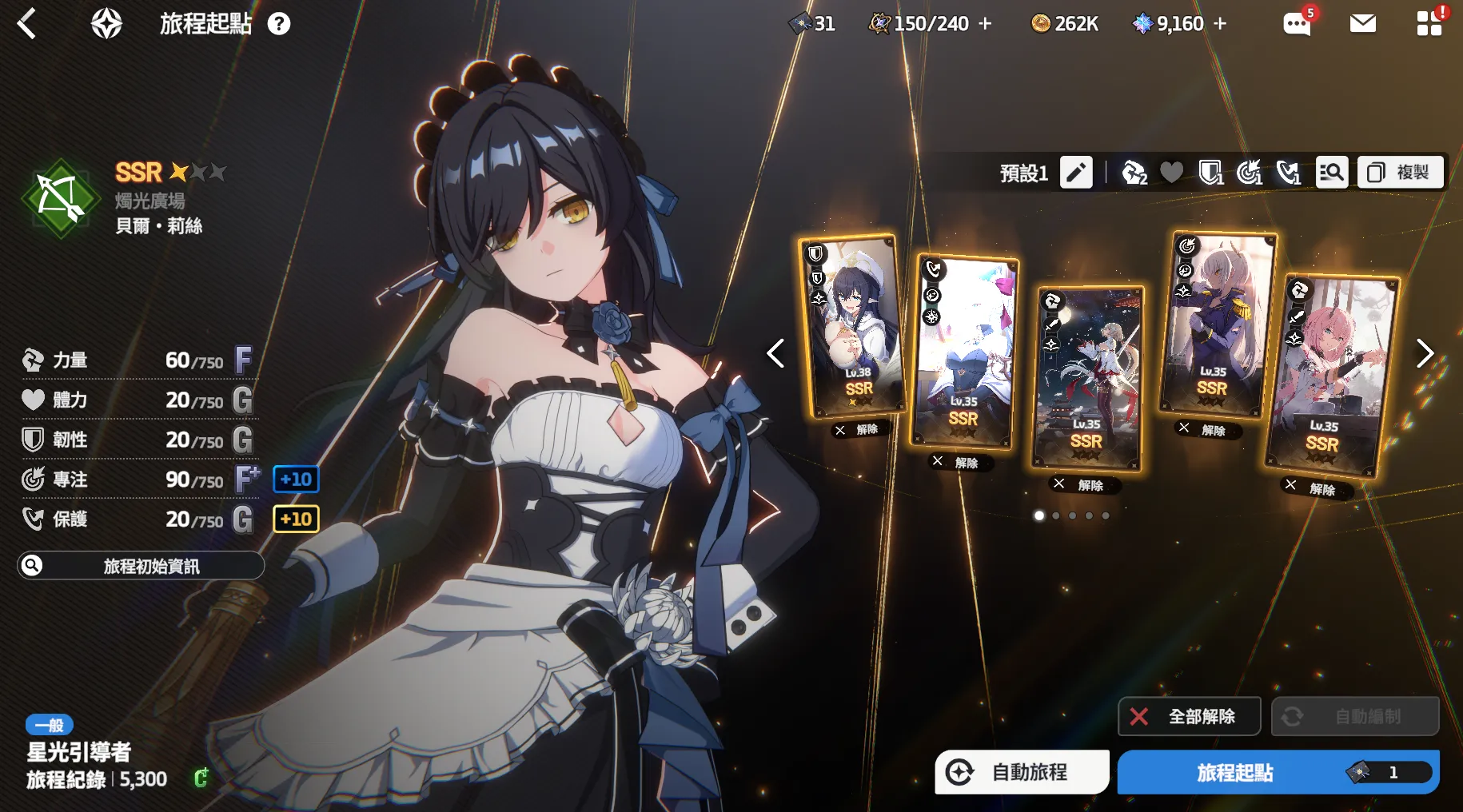
This is Star Savior‘s defining feature. As the “Captain,” you guide a character through a year-long training “Journey.” The core resource management revolves around two meters: Fatigue and Currency.
- Training consumes Fatigue to boost stats.
- Missions consume Fatigue to earn Currency.
- Resting restores Fatigue.
At the end of each Journey run, the character receives a graded Archive. That Archive is then equipped like gear and determines the character’s actual combat performance. In plain terms: your ability to clear content is directly tied to how well you “raise” your characters in this roguelike training mode.
Community guides on sites like GameKee have already mapped out optimal routes. For instance, with a starting 100 Fatigue, the first week ideally mixes 3 Strength/Endurance sessions with 2 Focus/Protection sessions to minimize failure rates. One player noted bluntly: “Avoid options that cost extra Fatigue. Every single day in the Journey matters; burning Fatigue early cripples the run.”
Thankfully, if you’re not chasing top 1% scores, a “Full Auto” option exists that skips cutscenes and lets the AI handle the grind.
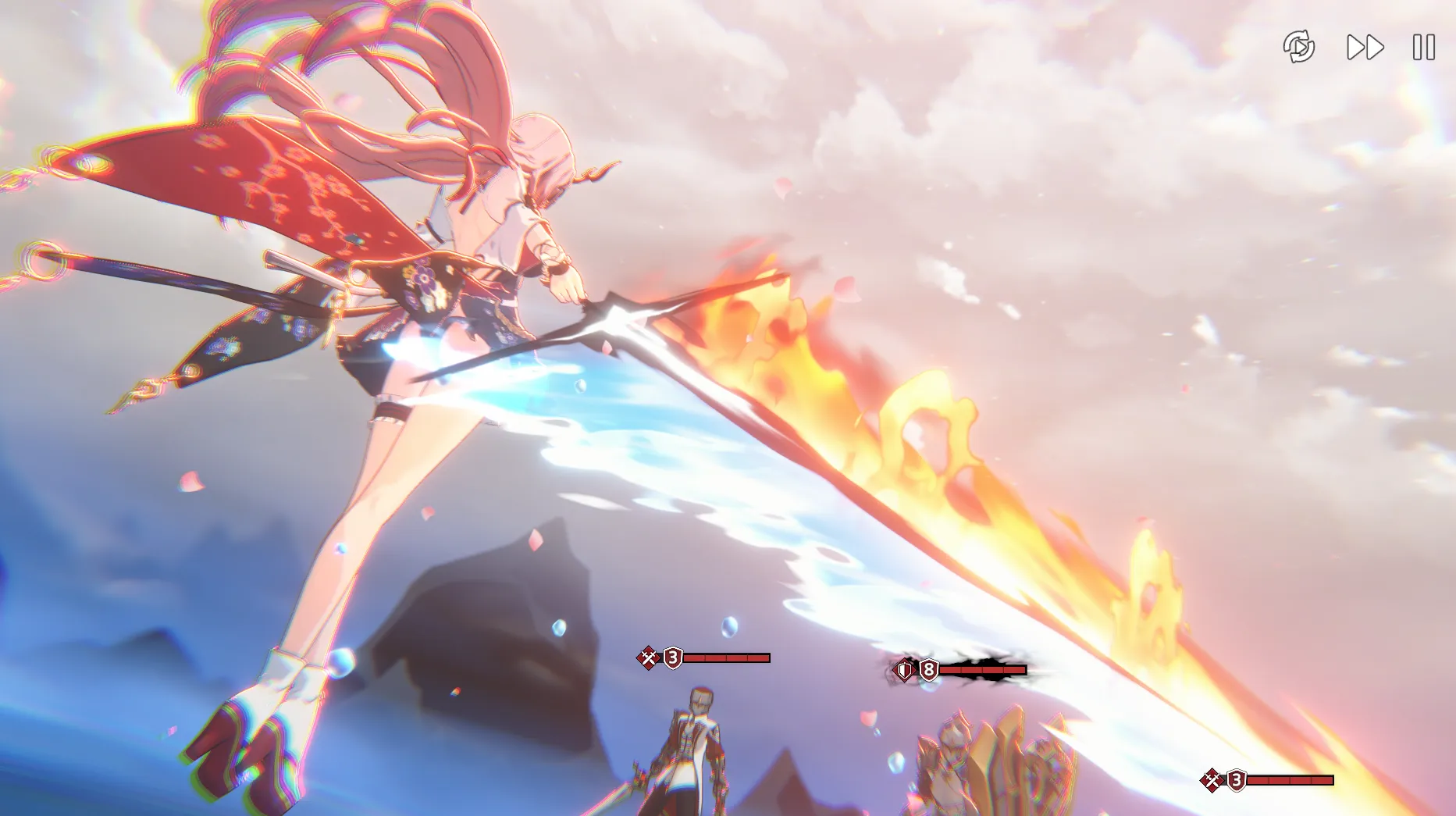
Turn-Based Combat – Depth Without the Polish (Think Honkai: Star Rail)
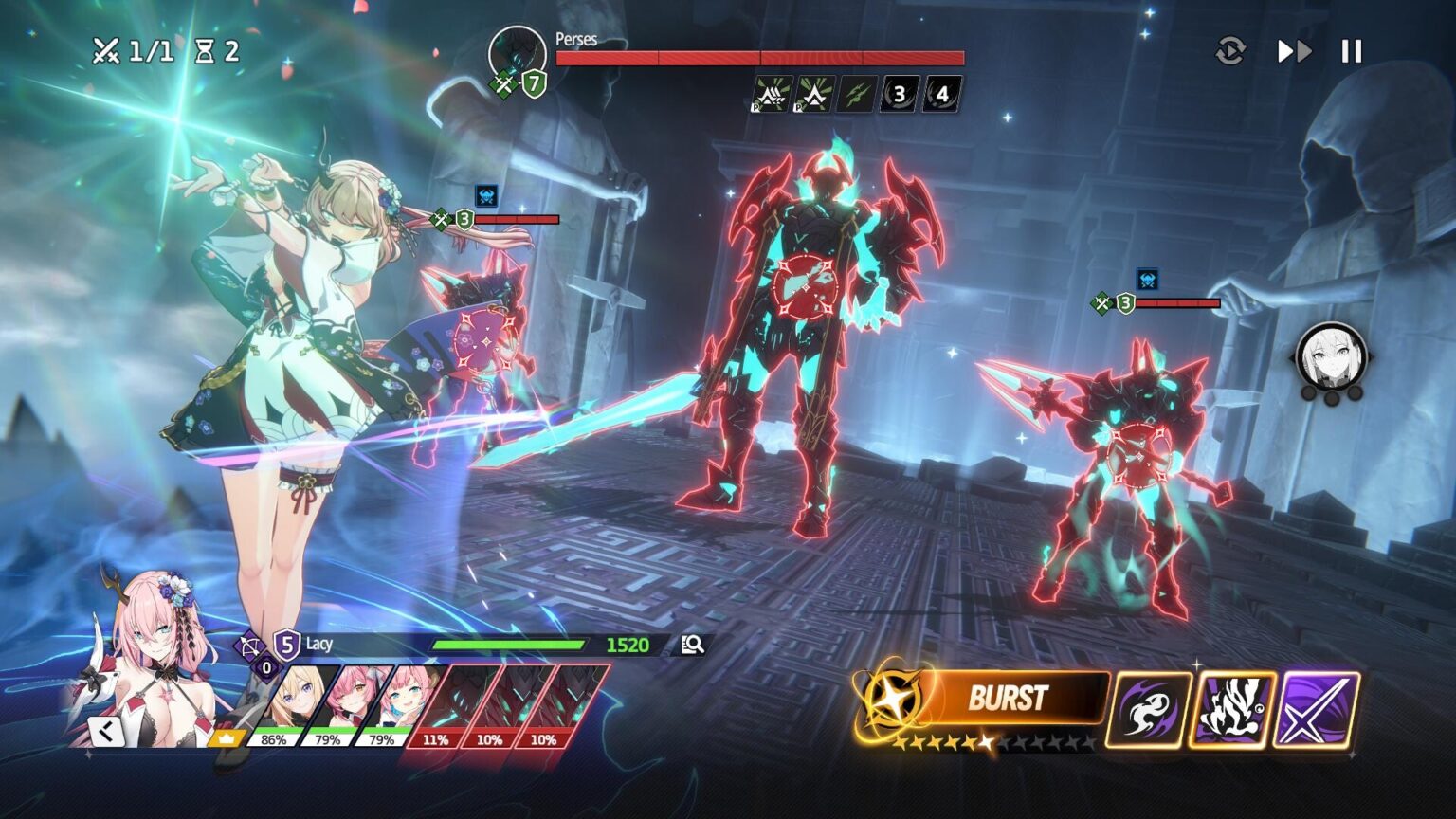
Battles are dynamic turn-based affairs. Each Savior has a basic attack, a special skill, and an ultimate. The key mechanics:
- Turn Order: Speed dictates action order, but unlike Star Rail, the action bar is fluid—certain skills can shift turn sequences dynamically.
- Nova Burst: Using specials and ultimates fills the “Nova Gauge.” Spend 4 charges to enter Burst Mode, gaining a 15% damage boost.
- Break System: Enemies (and your team) have a Break Gauge. Attacking with advantageous elements depletes it. When broken, the target takes 15% increased damage and cannot trigger counters or follow-up attacks.
- Break Skills: Each successful Break charges a powerful domain-style ultimate, with different effects per character. These must be upgraded in the Home system.
The combat system is logically sound and offers strategic depth. However, community consensus is that it lacks the visual punch and fluidity of its obvious inspiration. It works, but rarely feels satisfying.
Gear System – 4+2 Set Bonuses (Think Epic Seven)
Characters equip a 4-set and a 2-set of Support Cards (Arcana). The set effects are critical. Community guides highlight that specific key cards (e.g., “Fire Mage” or “Grass Archer”) are borderline essential for certain characters to function optimally, though some require two months of grinding fragments to acquire for free.
The Gameplay Loop Summary
The loop is self-contained and coherent: Run Journey → Earn high-grade Archive → Equip Archive to boost combat stats → Tackle dungeons/PvP → Upgrade materials → Hit a wall → Run Journey again.
Early progression unlocks PvP and the Cube Palace around stage 2-15. Daily tasks are sweepable, making it manageable as a side game.
2. Meta Snapshot: Who Are the Must-Haves? (PVE Tier List)
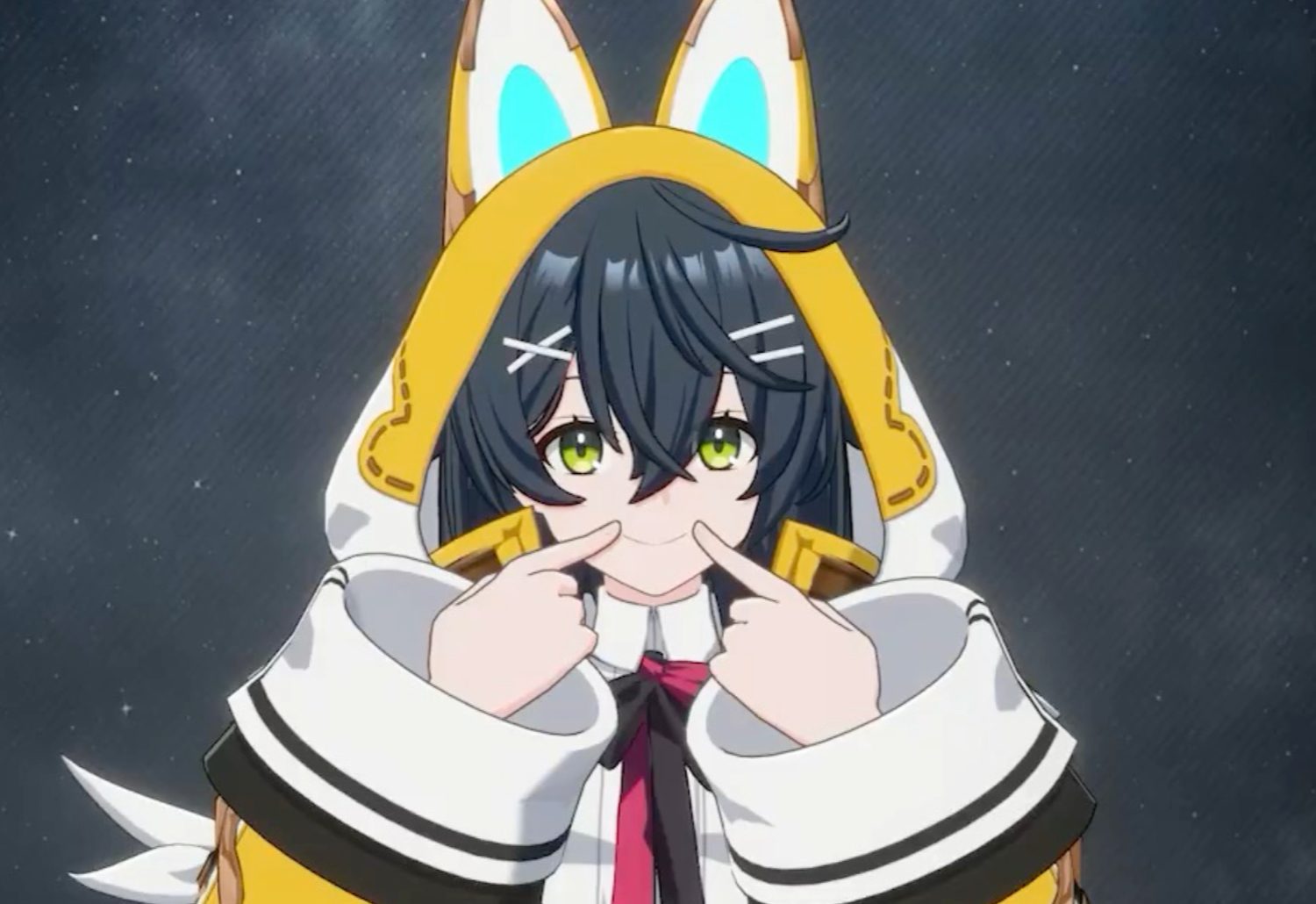
Based on aggregated data from Korean and global tier lists, here is the current PVE hierarchy:
T0 – Meta-Defining
| Character | Element | Class | Brief Evaluation |
|---|---|---|---|
Emily | Moon | Defender | Top-tier universal tank in both PVE and PVP. Passive taunt forces enemies to target her, with exceptional survivability |
Lacy | Chaos | Ranger | Versatile DPS that combines offense and defense. Her unique “Intertwined Dreams” debuff converts incoming damage into healing and action gauge gain |
Bunnygirl Charlotte | Sun | Striker | Core of PVE crit-based teams. Provides team-wide crit rate and ATK buff, with extra turn mechanics for a fast offensive rhythm |
Waltz Asherah | Order | Supporter | The best support in the game. Requires 3-star+ breakthrough to unlock full potential of healing, cleansing, speed buffs, and damage amplification |
T1 – Premium Cores
| Character | Element | Class | Brief Evaluation |
|---|---|---|---|
Rosaria | Chaos | Ranger | Powerful new DPS released in April. Low investment, high return. Applies defense reduction debuff to all enemies, highly versatile |
Seira | Order | Striker | Top-tier tempo support. Provides team-wide ATK buff and action gauge acceleration, the engine of rush-down teams |
Dana | Star | Caster | Efficient AoE wave-clearer. Applies ATK buff to herself and two allies, ideal for daily farming and story progression |
Carmen | Moon | Defender | One of the top tanks. Damage scales with max HP. Forces enemies to attack her with a taunt, effectively protecting allies |
Bell Rhys | Star | Ranger | Solid DPS whose primary value lies in efficiently dispelling enemy buffs, making her a key counter for difficult stages |
Muriel | Sun | Caster | Top-tier AoE damage dealer in PVE. Her debuff extension and ATK reduction significantly eases team pressure |
Bunnygirl Claire | Moon | Striker | Top-tier single-target burst damage dealer. Excels at delivering massive damage during critical windows |
Charlotte | Sun | Striker | Premier single-target burst damage dealer with exceptionally high damage output, key for taking down tough enemies |
Note: PVP rankings differ slightly for some characters. Characters like Hilde are rated top-tier in PVP. The above ratings are primarily based on PVE performance.
3. Gacha Economy & Rates: Looks Generous, Feels Awful
Stated Rates
The official SSR rate is 4% , which is on the higher end for modern gacha games. Pity carries over between banners, and rate-up banners only feature characters previously released in KR/JP, meaning no off-banner spooks from the general pool.
Launch Rewards
The launch was undeniably generous. New players receive a free SSR Savior (Tris) and an SSR selector ticket upon login. Some outlets claimed “over 500 pulls available at launch.” PTT users have documented that clearing main story regions grants 10 pulls each for both character and support card banners, and event shops offer an additional 60 pulls of each type.
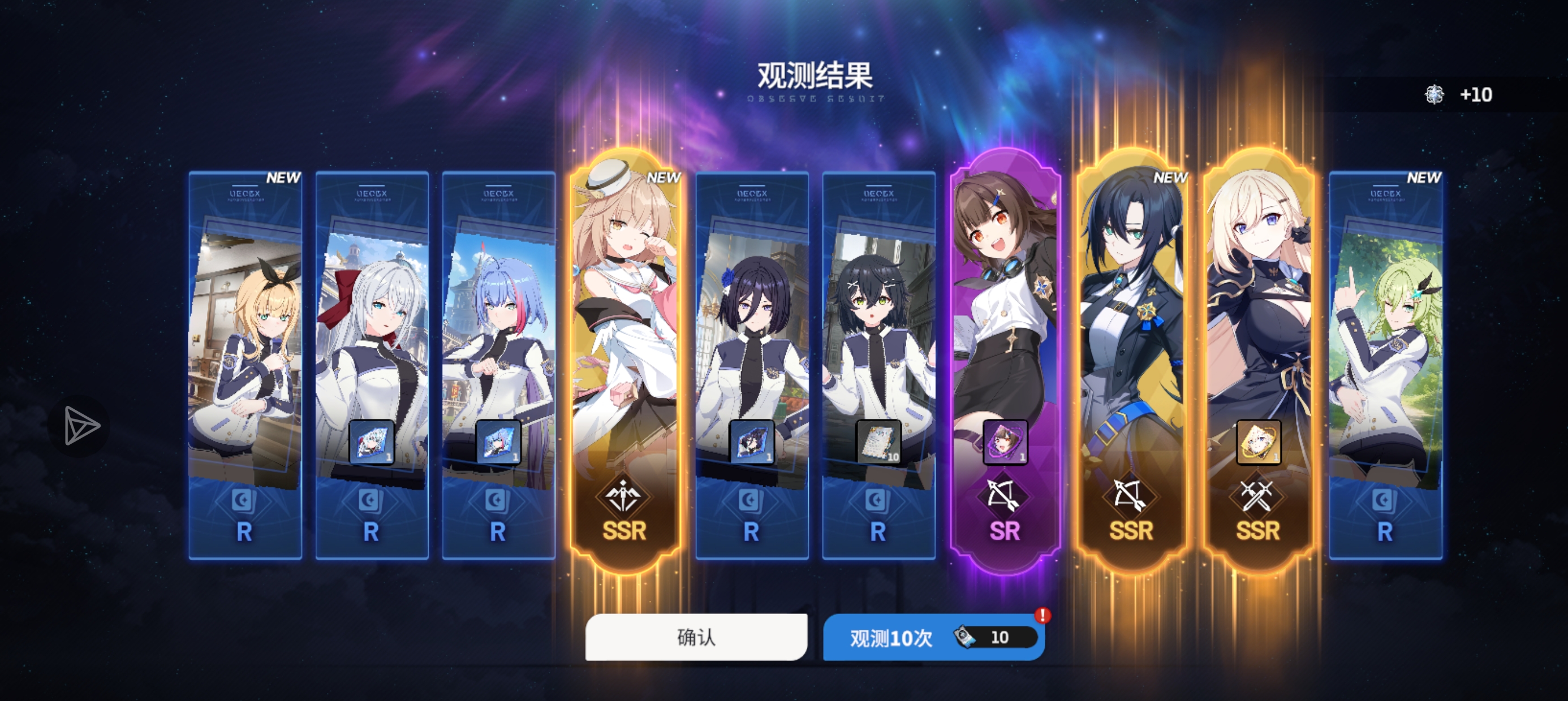
The Gacha Experience: Stat Sheet vs. Reality
Here’s the catch: feels significantly lower than advertised.
PTT user complaints are rife: “The sheet says 4%, but I went 200 pulls with only one SSR. I started to question whether the rates were accurate.” Another player added: “The launch rewards are great, but the pull RNG is brutal. I’ve spent money and still feel absolutely screwed.”
While variance happens in any gacha, the gap between Star Savior‘s advertised rate and player sentiment is unusually wide.
4. Technical Performance: A Launch Disaster Slowly Improving
Optimization remains Star Savior‘s Achilles’ heel and the primary driver of negative Steam reviews.
Launch Day Carnage
Day one was a mess: missing pre-registration rewards, broken battle passes, failed payment deliveries. The game required two emergency maintenances. StudioBside CEO Ryu Geum-tae issued a public apology and compensated affected players with an all-inclusive SSR selector ticket (including rare Cosmic units).
Ongoing Issues
- PC & Mobile Stutter: Frequent frame drops and high battery drain, even on flagship devices like Snapdragon 8 Gen 1 phones.
- Global Server Latency: Servers are located overseas, leading to high ping, packet loss, and occasional disconnects for players outside Korea. VPN usage reportedly reduces latency by ~42% and cuts stuttering incidents by 89%.
- Spotty Translation: The launch version still had untranslated Korean text in tutorials and UI. Hotfixes have addressed some, but not all, instances.
StudioBside has been patching consistently. An update arrived two days after launch, and another emergency maintenance in early April. Yet the community consensus is clear: the game is still far from “smooth.”
5. Latest Roadmap (April 8th Livestream)
Here’s what’s on the schedule for the next two months, as announced in the April 8 official livestream:
Currently Live
- “Wind, Moon, and Sword” Event: Runs until May 7. Features new characters Ling and Fei on rate-up.
- Day one login rewards an animated lobby wallpaper.
Coming Up
- Bunny Girl Event Rerun: May 7 – May 15.
- Main Story Chapter 5 – “Street Where Wings Rest” : May 14 – May 29. Limited-time clear rewards.
- New Character Tilia: Will launch alongside a competitive ranking event.
- Half-Anniversary Celebration: Slated for the final week of May. This is the next major window for generous rewards and potential system overhauls.
Planned QoL Improvements
- Skip function for Interstellar Corridor battles
- Improved gear set filter options
- Favorite marking for characters and Archives
- Skip function for Guild Defense battles
- Selling gear now grants enhancement stones
6. Verdict: Who Should Play Star Savior?
✅ Strengths
- Coherent Core Loop: Despite its “Frankenstein” construction, the Journey → Build → Battle cycle has a satisfying rhythm.
- Strong Art Direction: 3D models and 2D splash art hold their own in a crowded market. The soundtrack gets consistent praise.
- Low Daily Commitment: Sweeps and auto-battle make dailies painless. It functions well as a secondary “side game.”
- Generous Launch Window: You can amass a solid roster of SSRs without spending a dime early on.
- Carryover Pity: Pity counters don’t expire when banners rotate.
⚠️ Weaknesses
- Unpolished Performance: Frame drops and battery drain remain active deterrents.
- Perceived Gacha Rigging: The 4% rate feels like a lie to many players. Proceed with managed expectations.
- PvP Paywall: The idle resource system combined with PvP creates a visible gap between F2P and spenders.
- System Bloat: The “mashup” nature creates a steep learning curve. It’s not a pick-up-and-play casual game.
- Story Locked Behind Grind: Character lore is tied to Journey runs. If you want to know the story, you have to engage with the grind.
🎯 Final Recommendation
- Play if: You enjoy deep training sims like Uma Musume, don’t mind a complex system mashup, appreciate good anime art, and want a side game that respects your daily time.
- Wait if: You’re competitive in PvP, demand buttery-smooth 60fps performance, or have a low tolerance for “feels bad” gacha rates.

Final Thoughts
Star Savior isn’t a “must-play” hit out of the gate. It’s a slow climber. Moving from a 46% disaster to 61.74% in a month shows it has retention power. It has the bones of a good game buried under layers of jank. If StudioBside can fix the performance issues and make the gacha feel as fair as the numbers suggest, it might just stick around.
With the half-anniversary arriving in late May, now is a decent window to test the waters and bank some resources before the next big event wave hits.
Data sources: Steam public data (as of April 22, 2026), StudioBside official announcements, GameKee Wiki, AppMedia, and PTT community discussions. All game screenshots and character assets referenced in this article are the property of StudioBside. The article content is original; please credit the source if reposting.

Comments (1)