
The Caligula Effect 2 – The Sequel That Finally Fixed the Original’s Biggest Problems

If you played the first Caligula Effect, you probably remember the feeling: a story about escaping a virtual utopia, buried under the weight of dungeon design, combat mechanics, and a “side-quest hell” built around 500+ NPCs. Some players loved it for its soul. Others couldn’t get past the friction.
Five years later, the sequel is here. The Caligula Effect 2 didn’t abandon the niche identity of the original, but it did something crucial: it smoothed out the rough edges, making the experience far more approachable without losing what made it unique.
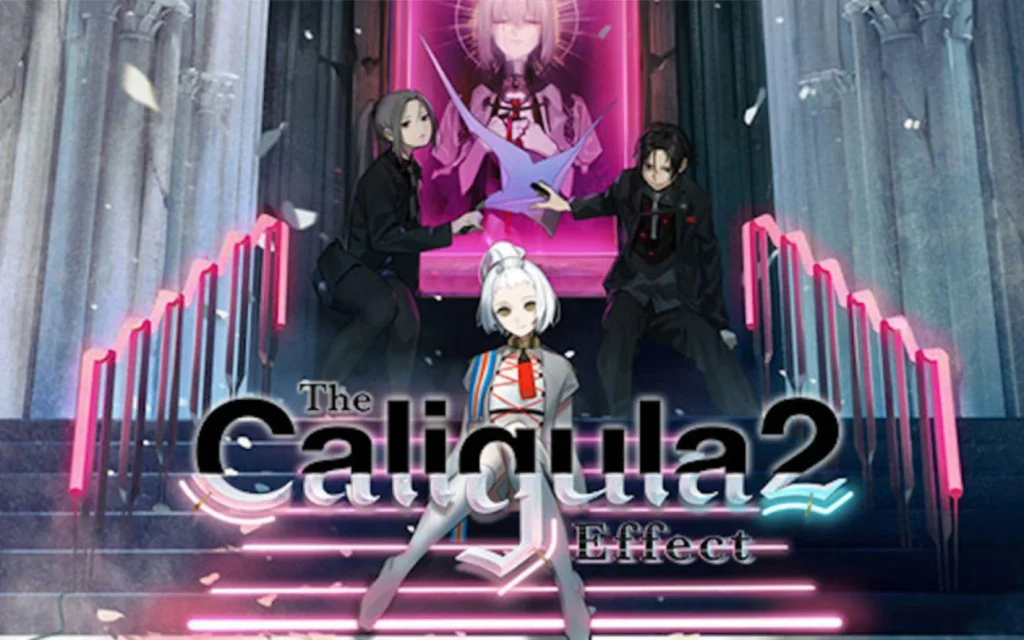
This Time, It’s About Regret
The first game was built around the “Caligula Effect” — the urge to look at something the more you’re told not to. The sequel shifts to a different theme: regret.
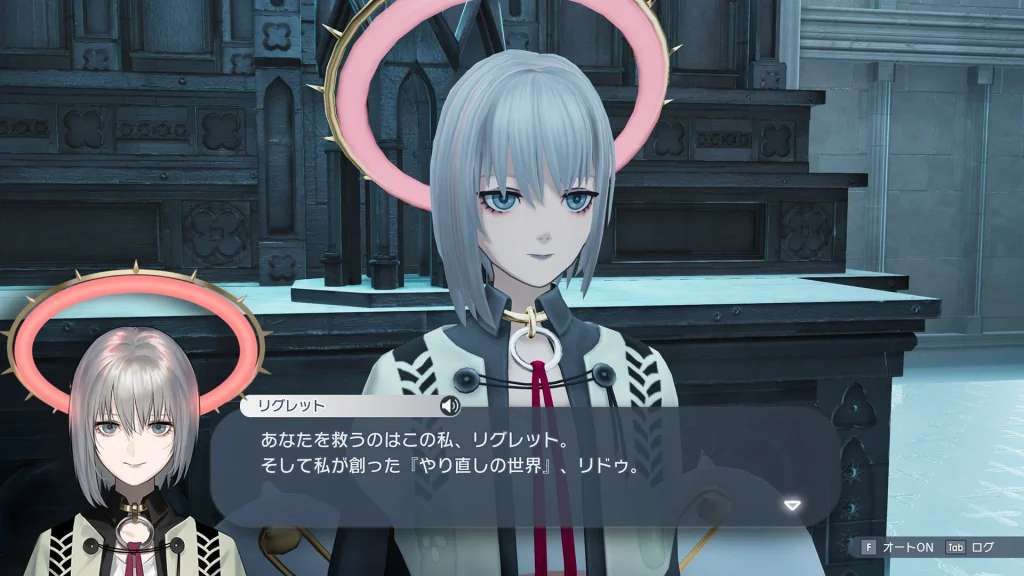
Roughly five years have passed since the previous game, but Caligula Effect 2 stands on its own as a complete story. A virtuadoll named Regret has created a world called “Redo,” where people burdened by regret are trapped and allowed to live as their “ideal selves.” In this world, you don’t have to answer for past mistakes or face the mess of reality.
Then the protagonist awakens. Another virtuadoll, χ (Chi), breaks into Regret’s virtual reality, and the protagonist forms the “Go-Home Club” with one goal: return to the real world.
Like the first game, this is a story about escapism versus facing reality. But the sequel asks a more pointed question: if you could do it all over again, would you actually choose differently? The game puts that question directly to the player.
One thing worth noting: you can jump in without playing the first game. While there are connections to the original through its characters and world-building, the main story stands on its own. Returning players will catch some easter eggs, but newcomers won’t feel lost.
Combat: Fewer Commands, Better Flow
The biggest improvement in The Caligula Effect 2 is how much smoother it feels. If you had to sum it up: it’s built on the same core system, but it feels much better to play.
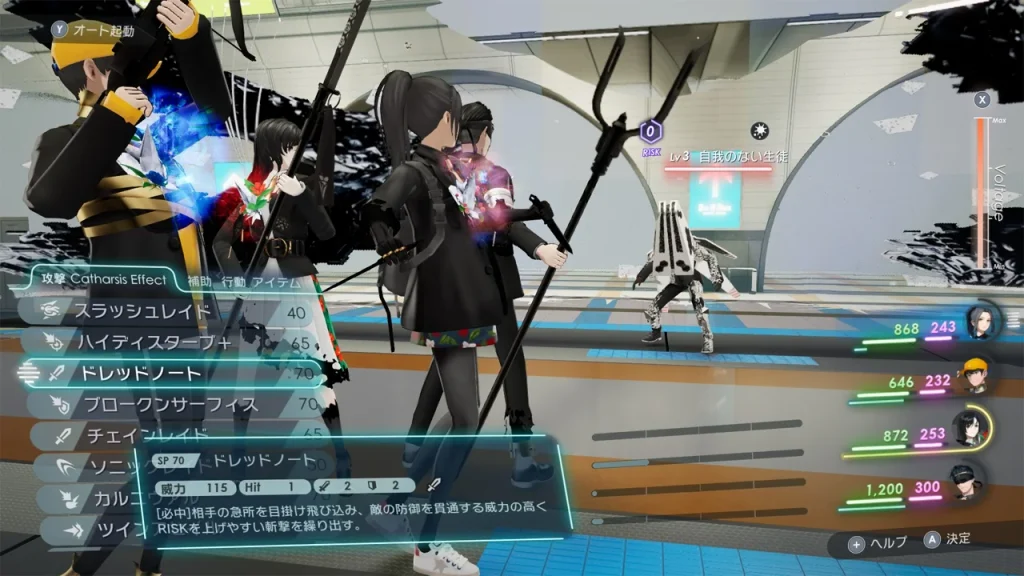
The battle system retains the “Imagination Chain” concept — selecting commands lets you preview actions a few seconds ahead, then chain together attacks based on that foresight. But the sequel makes several key changes:
Controls are streamlined. The first game asked you to input three commands per turn. The sequel simplifies this to a single command. On paper, it sounds like a reduction in depth, but in practice, it makes the game’s prediction-based combat much easier to understand.
Healers are no longer mandatory. You couldn’t rely on recovery items as freely in the first game, which strongly encouraged you to keep a healer in the party. The sequel allows item-based healing like a standard RPG, giving you real flexibility in party composition.
“Over Focus Mode” is here. When your tension gauge fills, you can activate it to give your party the initiative while granting various buffs.
The NPC count was cut from 500+ to around 200. The first game’s 500+ NPC side quests were infamous. The sequel trims this down significantly, making the whole system much more manageable. The content is leaner, but also better — split into group tasks and individual stories.
The first game’s combat was often described as “great ideas, exhausting execution.” The sequel smooths out those edges. That makes The Caligula Effect 2 a much better starting point for anyone who bounced off the original.
Dungeons Are Still the Weakest Link
Visuals and dungeon design remain the most noticeable shortcomings in The Caligula Effect 2. The character designs by Oguchi are still striking and distinctive, but the 3D modeling hasn’t kept up with the times. Frame drops and occasional stuttering can also take the edge off the experience.
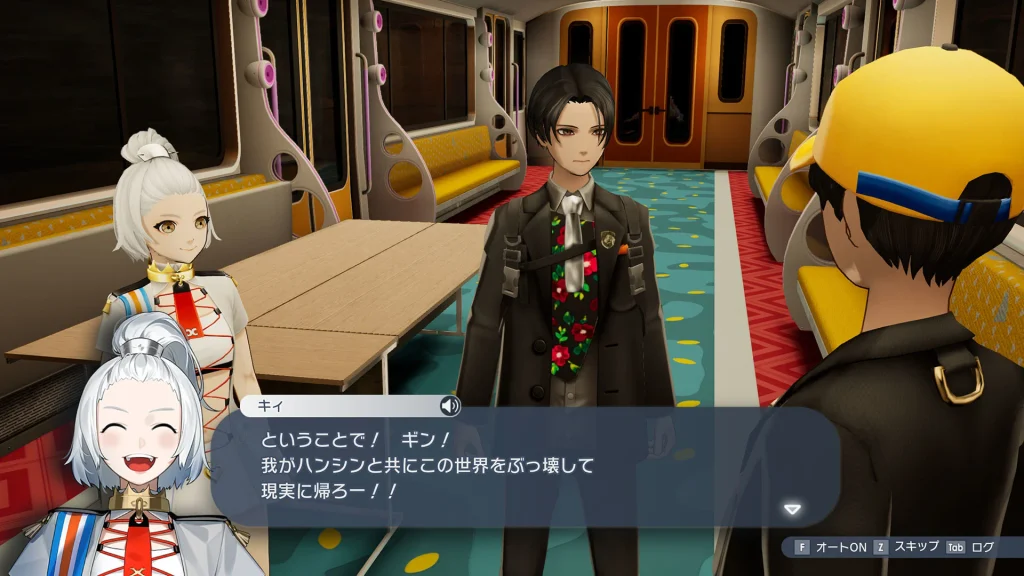
If visuals matter a lot to you, this game may leave a rough first impression. Dungeon exploration, meanwhile, suffers from repetitive environments that can wear on you toward the later stages.
What Holds It Together: The Music
The music has always been one of the strongest parts of the Caligula Effect series. The sequel brings in nine Vocaloid producers, including kemu, Ayase, Police Piccadilly, Kairiki Bear, Nuyuri, Neru, Tsumiki, cosMo@BousouP, and sasakure.UK.
Vocal tracks play throughout battles, which does a lot to soften the oppressive feel of dungeon exploration. This time around, two virtual idols face off: Regret, who created “Redo,” and χ (Chi), who helps the protagonist. Their songs are woven into both the world and the combat system.
That said, some players have pointed out that regular battles and boss fights often use different arrangements of the same area theme. The remix versions do add variety, but over a long playthrough, some players may still find the distinction less pronounced than they would like.
Steam Rating: Better Reception, But Still Niche
The Caligula Effect 2 currently holds a Very Positive rating on Steam, with around 91% of all user reviews marked positive. That’s a noticeably warmer reception than the original. But “positive” doesn’t mean “for everyone.” Dungeon design, repeated exploration, and some side content still have the potential to wear down players who aren’t already on board with this style of JRPG.
It’s still a game that picks its audience — just not as aggressively as the first one did.
If the First Game Pushed You Away, Is This Worth Another Look?
The Caligula Effect 2 is still not a flawless JRPG. Dungeons, repetitive exploration, and some side content remain noticeable weak points. But compared to the rough, experimental feel of the original, the sequel shows a much clearer sense of what to keep and what to cut.
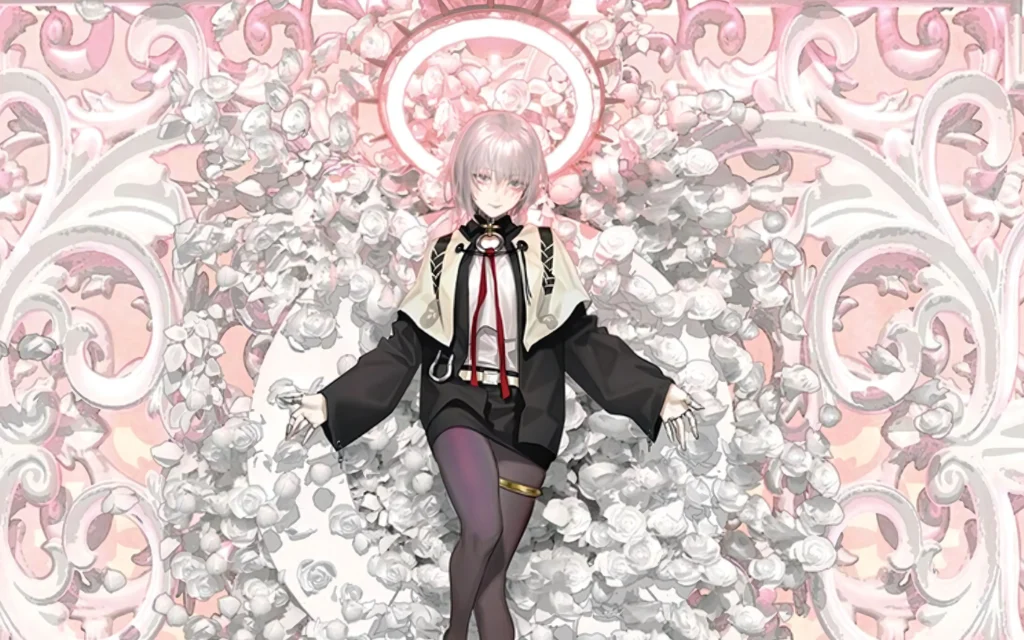
For players who enjoy psychological themes, school-set JRPGs, and Vocaloid music, The Caligula Effect 2 is still worth a shot. And for those who were turned off by the first game, this one might just be worth a second chance.
The Steam version goes on sale regularly, and the price drops to a point where it’s essentially a high-quality Vocaloid album that comes with a free JRPG — not a bad deal.
Copyright Notice: All game screenshots, character images, and related materials referenced in this article belong to their respective copyright holders and are used for review, commentary, and informational purposes.
Comments (0)
No comments yet