
Rivals of Aether 2 Review – Don’t Let the Animal Characters Fool You — This Fighter Is Deeper Than It Looks

Release Date: October 23, 2024 | Developer: Aether Studios | Publisher: Aether Studios, offbrand games | Platform: PC (Steam) | Genre: Platform Fighter | Price: ~$30 USD on Steam, all-time low ~$15 USD | Languages: English, Japanese, French, and more — Simplified Chinese is not supported
It’s not Super Smash Bros., but it’s one of the most compelling platform fighters you can play on PC.
In 2017, the pixel-art indie fighter Rivals of Aether built a loyal following thanks to its tight mechanics and competitive depth. On October 23, 2024, its sequel Rivals of Aether 2 launched — trading pixels for 3D visuals. As of August 2026, the game holds over 6,000 English reviews on Steam with a “Mostly Positive” rating — a strong showing for a niche fighting game.

No Health Bars — Just Knockback
The win condition in platform fighters is fundamentally different from traditional 2D fighters.
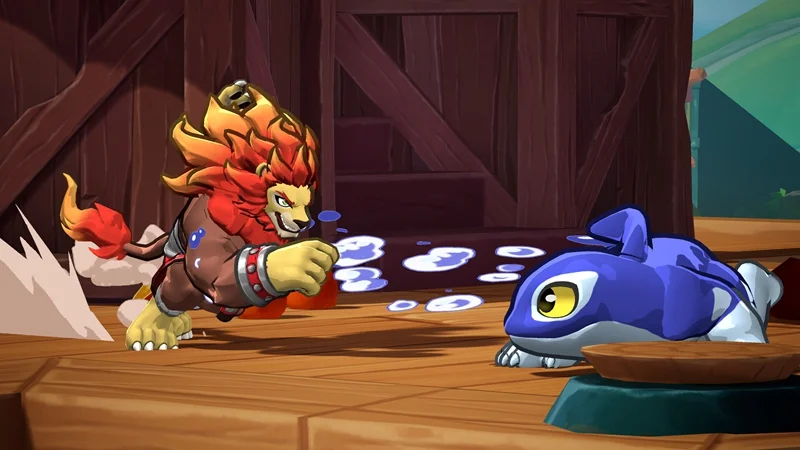
There’s no health bar. Every hit builds up the opponent’s damage percentage — the higher it climbs, the farther they fly when hit. In standard rules, your goal is simply to launch them off the stage.
That makes the game less about draining HP and more about calculating angles. You’re weighing launch trajectory, character weight, and current damage percentage, then stringing together aerial combos to send your opponent blasting off the stage. The execution barrier is fairly high — but once you internalize the rhythm of dash → short hop → back air → double jump → up smash, you’re not just fighting anymore. You’re playing a violent piano piece where damage percentage is your metronome.
Every Character Plays Like a Different Game
The initial roster features 10 characters, all anthropomorphic animals — but the real draw isn’t their looks. It’s how differently they play.
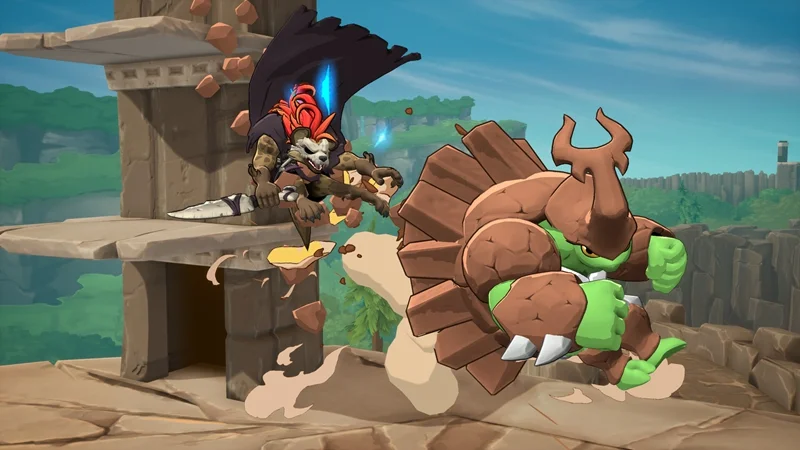
Not a single one is filler. Each character’s special moves aren’t just re-skins — they fundamentally change mobility and combo routing. The fire lion is built around aggressive pressure. The ice bear can create devastating edge traps. The taekwondo fox can lock opponents down with relentless strings and unique special attacks.
Better yet, all future characters will be added via free updates. Aether Studios has committed to supporting the game with free character releases, and “La Reina” joined the roster in January 2026. For a fighting game, that’s an unusually player-friendly model.
From Pixel Art to 3D — and a System Overhaul
The most visible change is the jump from pixel art to full 3D — sharper character models, flashier effects, and a more cinematic feel.
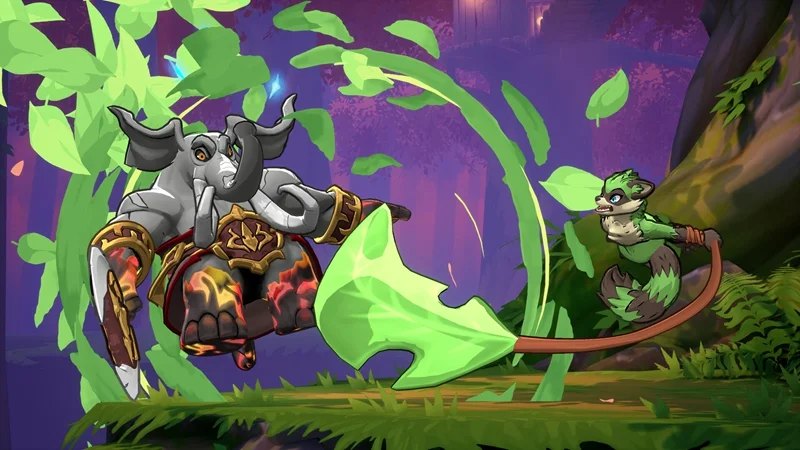
But the bigger changes are underneath the hood. Shields, ledges, grabs, and throws have all been added — turning the original’s “if you’re off-stage, you’re dead” desperation into a whole new layer of mind games. You can ledge-cancel, bait opponents, or even hang at the edge and wait for them to overcommit before launching them with a well-timed getup attack.
New mechanics like Pummel Special, Ledge Special, and Getup Special add even more options to every interaction.
Online Play That Punches Above Its Weight
Netcode is make-or-break for a fighting game. Rivals of Aether 2 uses a server-based rollback system, and under good network conditions, it delivers impressively low latency.
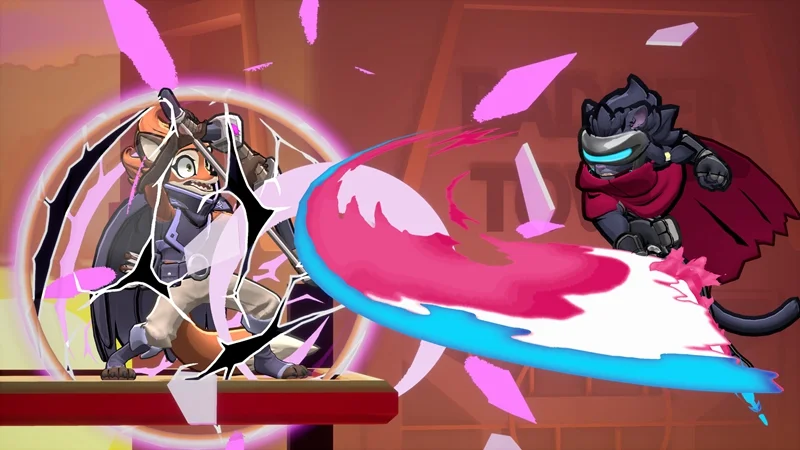
The game supports 1v1, 2v2, and four-player free-for-alls. Whether you’re grinding ranked or throwing down in local multiplayer, the game holds up well in either setting.
That said, be ready for ranked. The core player base has the combo strings wired into their muscle memory. Recent updates have added more casual modes and custom rules, so if you’re not looking to sweat, there are now more ways to just mess around without taking ranked seriously.
Why Hasn’t It Broken Through?
Rivals of Aether 2‘s flaws are as clear as its strengths.
Single-player and casual content are still thin. The game’s core experience revolves around competitive multiplayer, which limits its appeal for players who aren’t looking to grind online.
Workshop support arrived late. The modding community is only now starting to find its footing.
Training and onboarding have been weak spots. Polygon’s review noted that the sequel lacks the comprehensive training tools found in the first game — one of the sequel’s earliest and most persistent criticisms.
Optimization and bugs. Some players have reported long load times and UX glitches.
The matchmaking curve is steep. New players often find themselves overwhelmed by veterans with years of experience.
No official Chinese support. Steam’s store page explicitly lists Simplified Chinese as unsupported.
The Real Issue Was Never the Combat
Rivals of Aether 2 is a game of sharp contrasts.
Its combat is tight, its characters are distinct, and its online netcode is excellent. Polygon called it “easy to pick up, hard to master,” noting that “drawing comparisons to Melee isn’t just a frame of reference — it’s an honor.”
But the package still feels incomplete. Single-player and casual content remain limited. The modding community is still developing. The new-player experience is unforgiving. Steam’s current “Mostly Positive” rating reflects that — and recent reviews haven’t shown significant improvement.
It’s already proven its combat system is top-tier. What it hasn’t proven yet is that it can become a complete mainstream platform fighter.
If you love platform fighters and are willing to sink time into practice and online matches, ~$30 for a tight combat system with ongoing free character updates isn’t a bad deal. But if you’re looking for rich single-player content, robust casual modes, and a welcoming new-player experience, there’s no rush to jump in just yet.
Copyright Notice: All game screenshots, character images, and related materials referenced in this article are the property of Aether Studios and offbrand games, and are used for game introduction, review, and informational display purposes.
Comments (0)
No comments yet