
Summer Pockets – That Summer, You Can Never Go Back

Original Release: June 29, 2018 (Windows) / February 6, 2020 (Steam English) / March 14, 2022 (Steam Chinese) | REFLECTION BLUE Release: June 26, 2020 (Windows) / June 27, 2025 (Steam) | Developer: Key | Publisher: Visual Arts | Platforms: Windows, Nintendo Switch, Steam | Genre: Visual Novel / Romance Adventure | Price: Steam regional pricing varies; tends to drop significantly during sales | Languages: Simplified Chinese, Japanese, English | Anime: A 26-episode TV anime adaptation aired from April 7, 2025, animated by studio feel.
The original version on Steam currently holds a 98% positive rating, with over 4,600 reviews — a remarkably stable reception. Every summer, someone on your Steam friends list seems to switch their avatar to a screenshot from Torishiro Island. Ask them about it, and you’ll probably get the same answer: “A game that makes you want to quit your job and go home.”

Why does a visual novel leave such a lasting impression?
That Island Is a Summer That Never Ends
The story takes place on the fictional island of Torishiro in the Seto Inland Sea. The protagonist, Hairi Takahara, arrives to sort through his late grandmother’s belongings — which is really just a fancy way of saying his family shipped him off to the countryside to get him out of the way. He plans to stay a few days and leave. Instead, he gets drawn into the lives of four girls on the island and ends up staying for the entire summer.
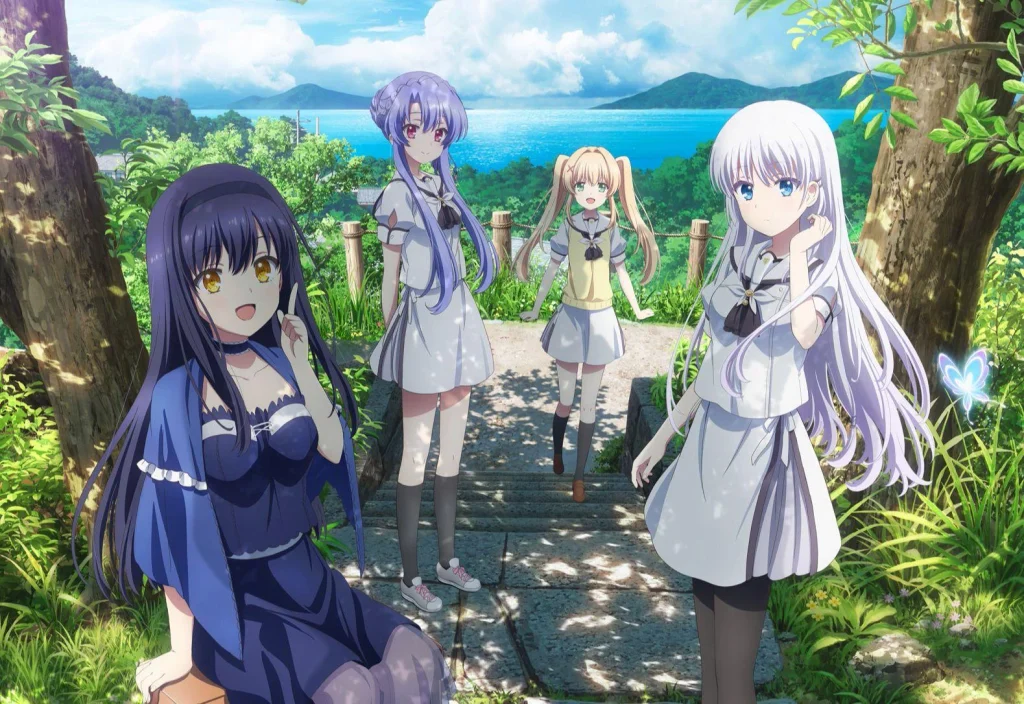
It sounds like a textbook summer visual novel setup. Pretty girls, a remote island, summer vacation, youth. Experienced players might say: “Oh, another Key game.”
But what makes Summer Pockets stand out is that it’s in no rush to tell its story.
For a long stretch early on, it feels less like a story and more like simply spending time there. Wake up to the cicadas, walk along the beach, help one of the island’s older residents carry something, play ping-pong with elementary school kids until it gets dark. There’s no sense of urgency, no “you have three days to solve this crisis” ticking clock, and no obvious sense of where the story is supposed to be going. It feels like you’re wasting time. What the game is actually doing, quietly, is making you grow accustomed to the rhythm of the island.
After maybe a dozen hours, a question naturally arises: when is this game actually going to get to the point? But the strange thing is, after closing the game one night, what lingers isn’t a character’s line of dialogue — it’s a peculiar question: will it rain on Torishiro Island tonight? That’s when it becomes clear that Key wasn’t in a hurry to make players fall in love with a character. It did something more important first: made them fall in love with the summer.
When a familiar scene comes back, or a particular track starts playing again, the island suddenly feels strangely familiar, as though it had been living in memory all along.
Four Summers, Four Different Kinds of Weight
Shiroha: The Girl Who Couldn’t Let Anyone Close
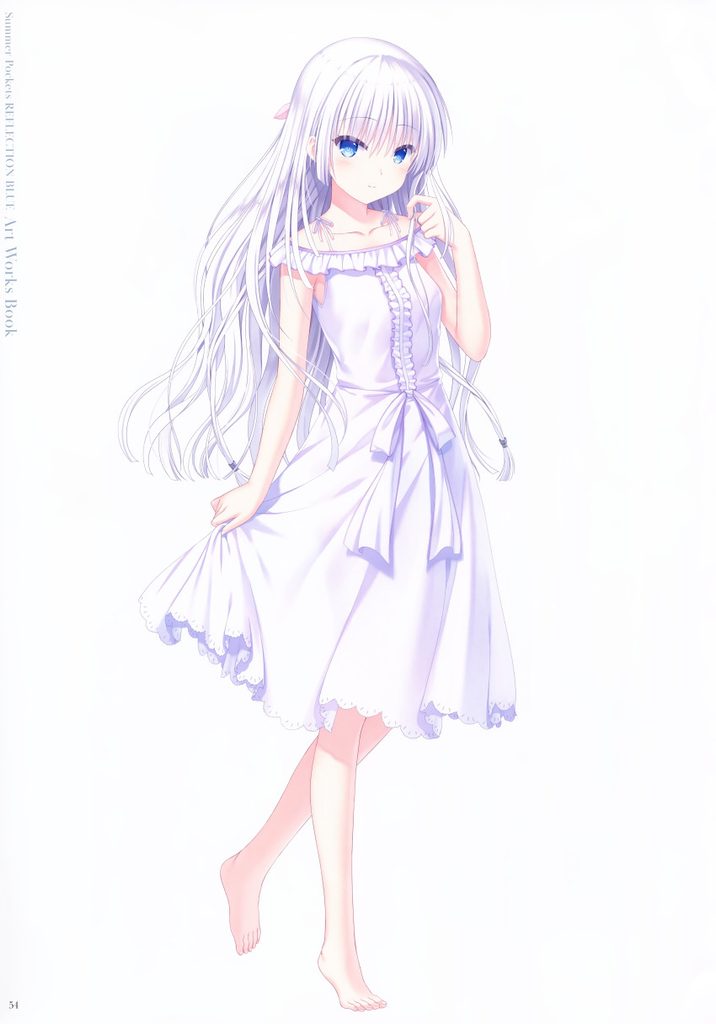
Shiroha Naruse’s route is one of the easiest to recognize as more than just a summer romance. She’s the shrine maiden on the island, and she has a strange ability — she can see fragments of the future. That ability has kept her from getting close to anyone, because she’s seen too many bad endings. The protagonist doesn’t come to save her — he simply shows her that she doesn’t have to face those fears alone. This route may not bring tears right away, but it leaves behind a lingering emotion. Even long after, when the ending theme starts playing, that image still comes back easily.
Ao: If Everyone Forgot Her
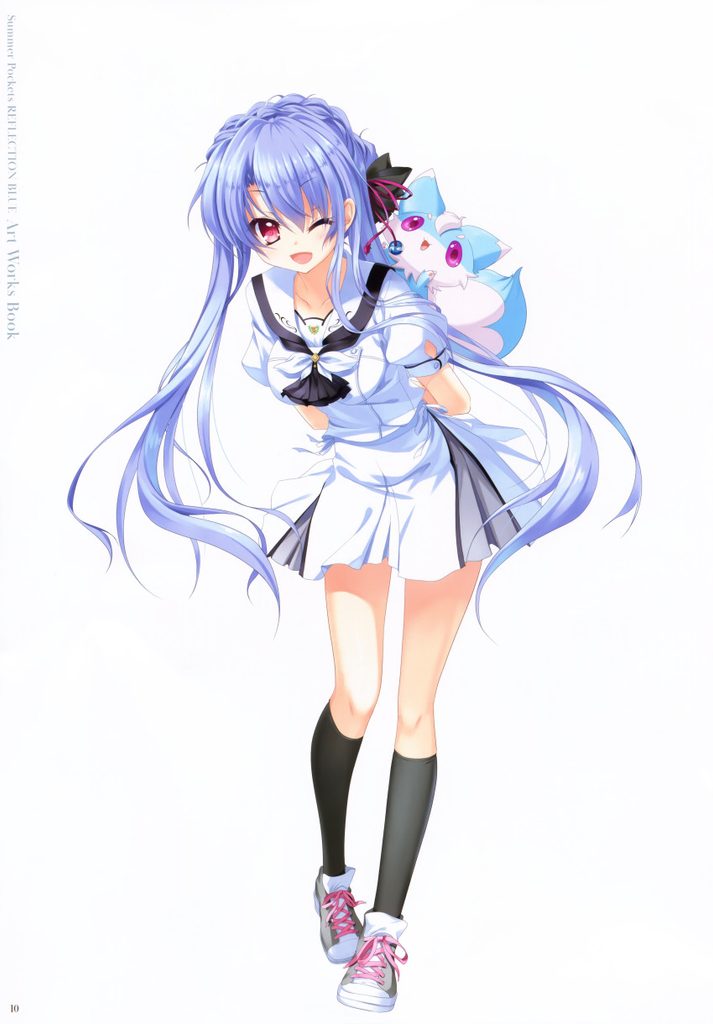
Ao Sorakado’s route makes “forgetting” one of the cruelest themes in the entire game. Her sister has been asleep for seven years, and Ao is the only one who still remembers she exists — everyone else on the island has forgotten. She spends every day doing the same thing: picking up seashells on the beach, trying to piece together proof that her sister ever lived. If the whole world forgot someone existed, would you still keep remembering?
Kamome: A Treasure Hunt with No Treasure
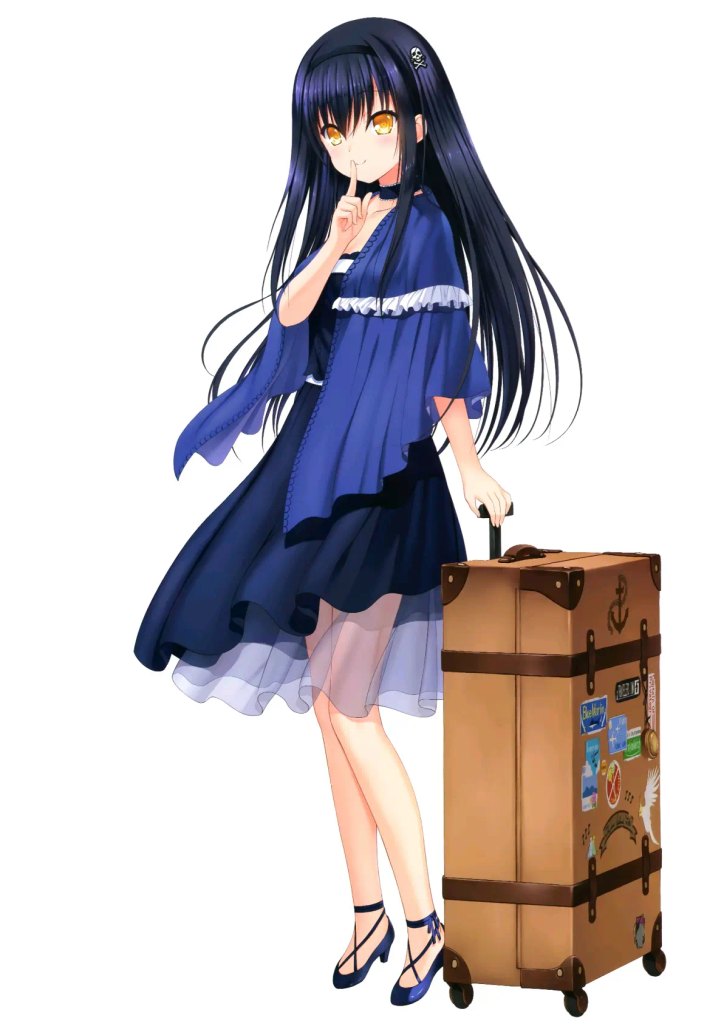
Kamome Kushima’s route feels more like a summer treasure hunt. She comes to the island looking for a place called “Pirate Ship,” but no one has heard of it. After searching every corner, what she finds is heavier than treasure.
Tsumugi: A Summer with an Expiration Date
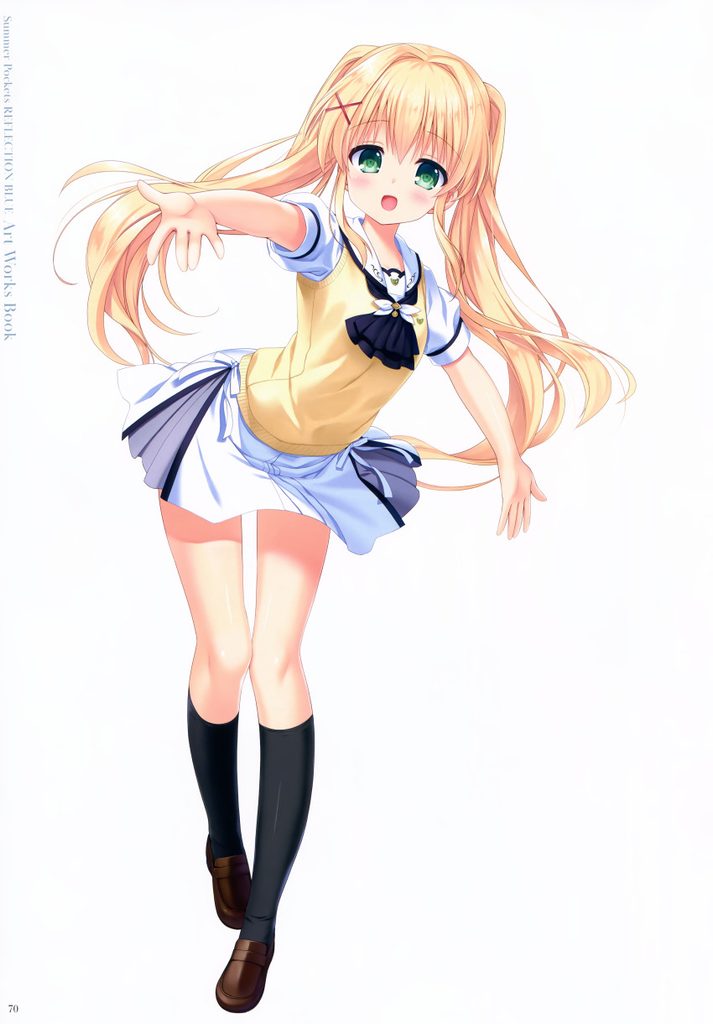
Tsumugi Wenders’ route starts off sickly sweet. She’s an exchange student from Northern Europe, cheerful and seemingly carefree — but she only appears during the day, disappearing at sunset. The second half hits much harder than the sweet opening suggests.
The four routes aren’t perfectly balanced. Some lean more heavily on atmosphere, while others carry more of the story’s emotional weight — so it’s hard to simply rank which is “best.” Some players prefer the quiet everyday moments, others value the emotional payoffs more, and Summer Pockets allows for that difference.
REFLECTION BLUE – Not a Cash-Grab Expansion
If you’re planning to jump in, get Summer Pockets REFLECTION BLUE directly.
This enhanced edition, released in 2020, adds a substantial amount of new content: a full route for new heroine Shiki Kamiyama; side characters Miki Nomura and Shizuku Mizuori becoming fully playable heroines; additional routes and slice-of-life scenes involving Umi Kato, expanding the latter half of the story; and additions such as doubles ping-pong matches.
How many CGs or endings were added doesn’t really matter in the end — what matters is that if you’ve only played the original, RB offers enough new material to make you see the game in a completely different light.
That said, there is some debate. Some players feel that certain additions change the pacing of the original, or even affect the completeness of some character arcs. Overall, Reflection Blue has been received positively.
It’s Not for Everyone
The only real warning is this: don’t go in expecting a visual novel that “gets going quickly.”
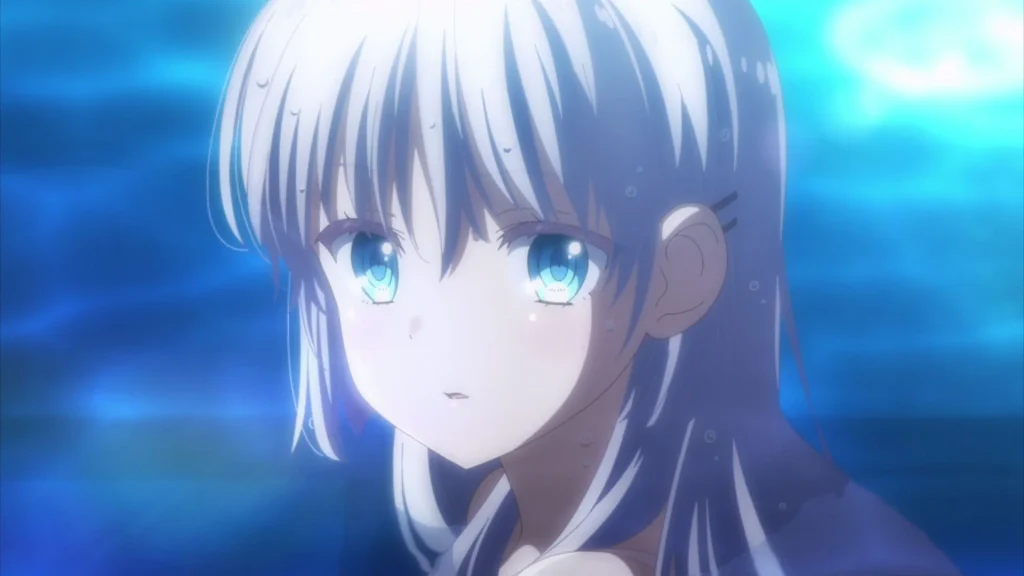
It’s slow. You might open it several nights in a row and just do a bunch of seemingly unimportant things on the island, then close it. If you need a clear narrative push, this will frustrate you. But if you’re willing to stay in it for a while, that slowness is exactly what makes it work.
Key’s trademark mix of everyday life and emotional shifts is still here, but handled with more restraint. It doesn’t rush tragedy to the screen. It lets the daily moments become real enough that when farewell does come, the loss feels heavier.
So no, Summer Pockets isn’t a game I’d recommend to everyone. If you already like Key, or if you genuinely love that specific blend of “summer, countryside, ocean, cicadas, old houses,” it can hit surprisingly hard. But if long-form reading isn’t your thing, or if you need strong gameplay, it’s likely to leave you wondering why you paid for a novel that moves.
Summer Pockets isn’t a game that’s easy to “sell” to others. It’s too slow, too quiet, and too much like an emotion you have to willingly sink into. If you once had a summer you wished would never end, Torishiro Island might just be the shape that dream takes.
Only after finishing it does it become clear that Summer Pockets was never really about leaving behind a specific story. What remains is a summer you can never return to.
Copyright Notice: All game screenshots, character images, and related materials referenced in this article are the property of Key and Visual Arts, and are used for game introduction, review, and informational display purposes.
Comments (0)
No comments yet