
Epic Seven: Why Is This Korean Turn-Based RPG Still Updating Its Main Story Eight Years Later?

In an era where mobile gacha games rise and vanish within months, a turn-based RPG that’s still rolling out full-voice main story chapters after eight years sounds almost mythical.
But that’s exactly what Epic Seven is doing. On April 28, 2026, the game released Episode 6, “Requiem of the End,” Part 1, alongside the new Moonlight hero Salos. Future chapters will continue rolling out in parts. For a game this old, that level of content commitment is rare in the mobile RPG space.

This Game Has Outlived Almost Everything
Epic Seven was developed by Korean studio Super Creative and published by Smilegate Megaport. Its international server launched in August 2018. Now in 2026—long after most of its contemporaries have either shut down or entered maintenance mode—it’s still delivering new main story episodes.
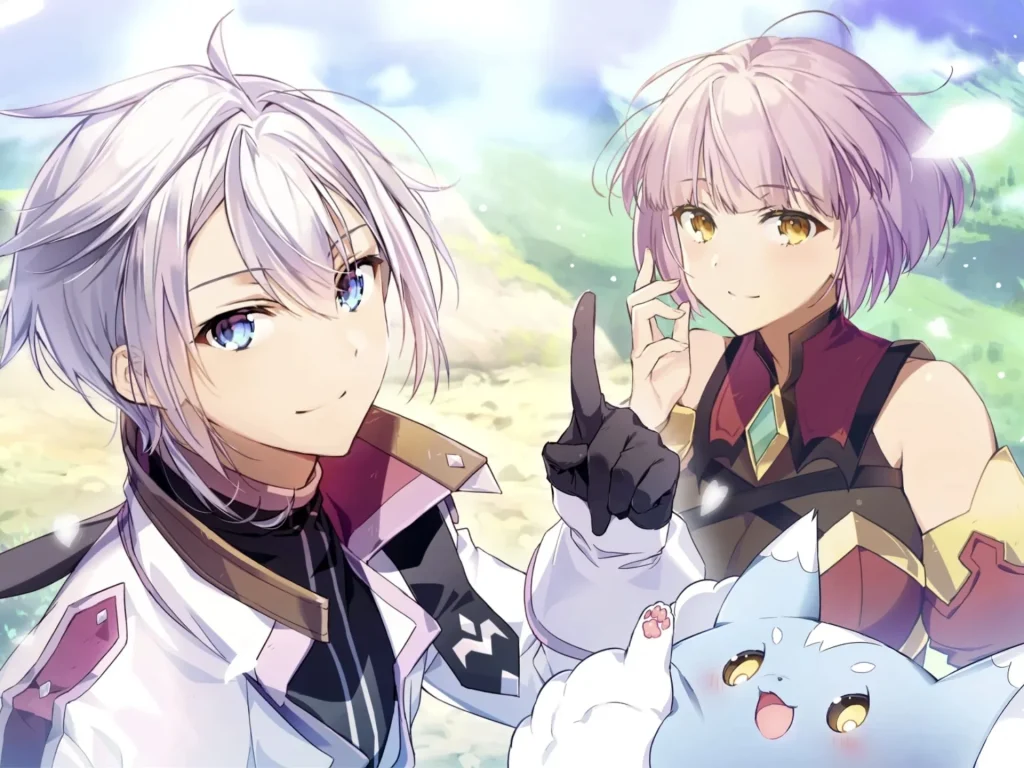
The setting is the fantasy world of Orbis, created by the goddess Diche, who divided her power to create Heirs of the Covenant and Guardians. You play as Ras, the foremost Heir, fighting alongside your companions against the Acolytes who seek to destroy the world. According to the App Store official page, the world features over 2,000 stories. The latest Episode centers on a secret organization called the Dark Chalice Order, founded by the Acolyte Kayron. The core character, Salos, is the sole survivor of the miracle village Lunegrave and serves as an Executor of the Order—a figure caught between the Order’s beliefs and her own past.
But what really earns this game respect isn’t the plot. It’s two things: the sheer amount of artistic resource poured into its battle animations, and a progression system that players love to hate.
Why People Stay
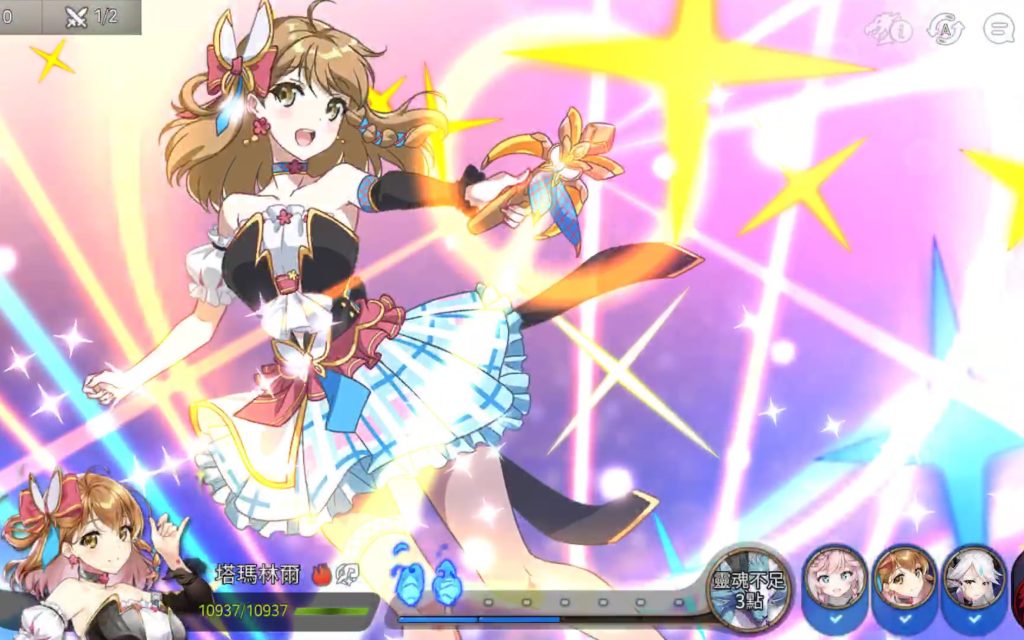
First, exceptionally few mobile games can match Epic Seven in 2D animation quality. Every character’s skills are rendered in high-quality 2D animation. The game has earned the moniker “the playable anime” among its fanbase.
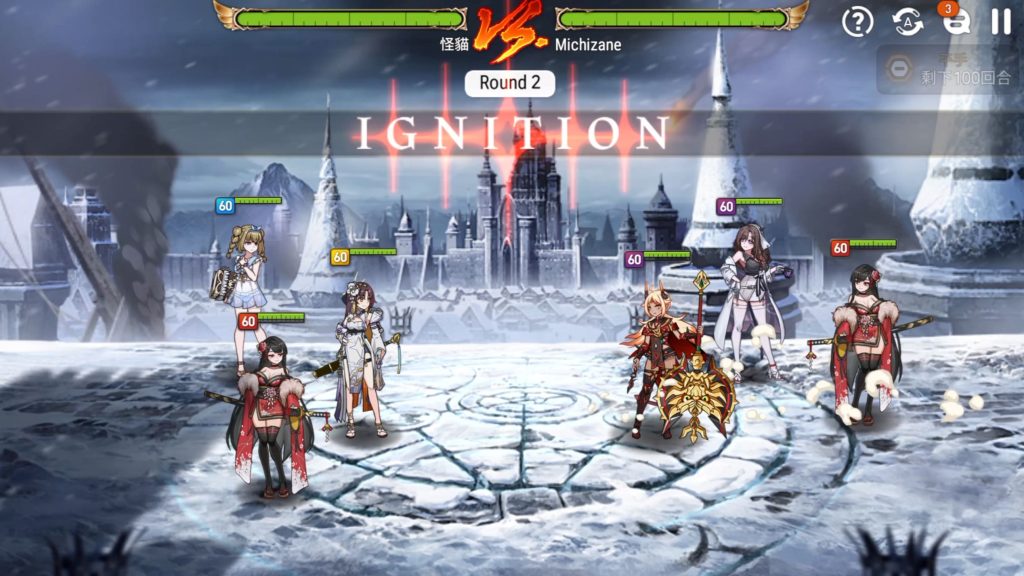
Second is the real-time PvP mode, World Arena. This is the game’s core. In live matches, both sides take turns picking and banning heroes in a strategic tug-of-war. One player described the feeling of playing RTA like this: “Usually I just chill in guild wars, shoot the breeze with the squad, then when RTA season opens we all jump in together—if I can’t win, I just ask one of the veterans in the group for help.”
Then there’s an often-overlooked dimension: Guilds. For many long-time players, the guild is the real reason they never quit. One player shared that they joined their guild in sixth grade and treated guild wars as the most important thing in their life. Now a freshman in high school, their guild leader went off to college and handed the group over to them. “In my first season, I put together my own team comp and finally won a match. That sense of accomplishment stuck with me.” Another player’s story is even more specific: their guild leader organizes an annual tournament with prize money, and every guild war they charge to the front line. Watching teammates win with the team comps they designed—that feeling is hard to replace.
The Gear System: Finding Certainty Inside Chaos
Among all “Summoners War-like” games, Epic Seven‘s gear system is notoriously hardcore.
Each piece of equipment comes with four substats. When you enhance it, one of those four randomly increases. Farming a good base piece is only the beginning—the real test is the enhancement process itself. One player groused: “You need gold everywhere, even just to unequip gear. Where is a new player supposed to find the resources to outfit multiple characters with full sets?”
But this latest update introduced a critical change: the new Magic Control system allows players to designate one substat they don’t want enhanced when upgrading gear—that stat will be excluded from the growth pool. Combined with the Glorious Milestone system—which provides rewards including at least ten 5-star Moonlight heroes—and the Steel Workshop allowing players to craft at least one desired piece of gear per month, the equipment system is moving toward something more controllable.
This may be what the game has been trying to achieve across its long lifespan: continuously injecting certainty into a fundamentally random framework.
The Problems Are Real
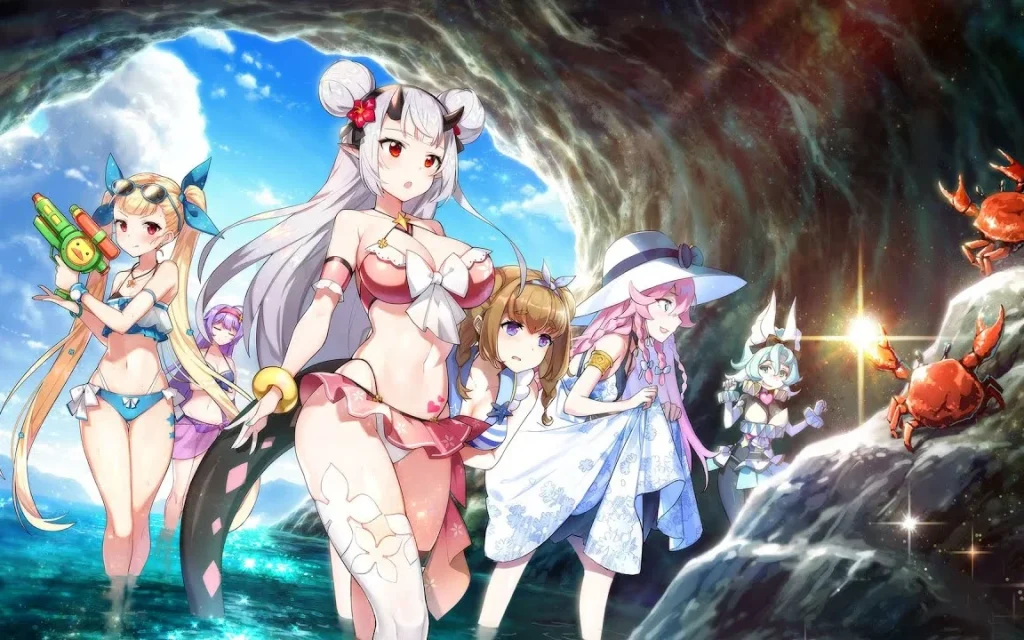
First is the onboarding cost. One player lamented: “It feels really hard for this game to attract new players. The grind cycle is too long, and the cost is way too high. Accumulating resources and gear doesn’t happen overnight.” Another player who quit and came back observed: “The biggest quit point in this game is the mid-game grind and boredom. If you push through and get into the late-game PvP rhythm, player retention is actually pretty good.”
Second is the gacha strategy for newcomers. The CN server launched with a rapid banner schedule, and new players often face a dense lineup of powerful banners without knowing how to allocate their resources. Meanwhile, the Iseria + Tamarinne combo is frequently misidentified by new players as a strong choice, when in reality their value in the early-to-mid game is low—the resource investment far outweighs the return.
Third is character power inflation. Some players have noted that newer characters are getting increasingly lazy animation designs while their power levels grow more and more absurd. “That’s a real shame,” one player put it.
How Far Can a Free-to-Play Player Go?
One player said: “There’s really not that much difference between free-to-play and whales. The game’s welfare rewards are pretty solid—they hand out a decent amount of free pulls every week.”
Another player noted: “If you just keep pulling on the standard banner as a free-to-play player, you can eventually collect a lot of Moonlight heroes. The standard banner actually gives you quite a few. I got Luna, Apocalypse Ravi, and Martial Artist Ken all from the standard banner.”
As for the World Arena, some posts suggest that free-to-play players can reach high ranks like Champion after accumulating resources for a while. But for the “Legend” tier—one source claims they’ve “never heard of” a free-to-play player achieving it. This information comes from community discussion and is not official data; take it as a reference only.
These experiences point toward a certain truth: in this game, strategic understanding and tactical execution can, to a meaningful degree, close the gap created by spending.
Who Should Play?
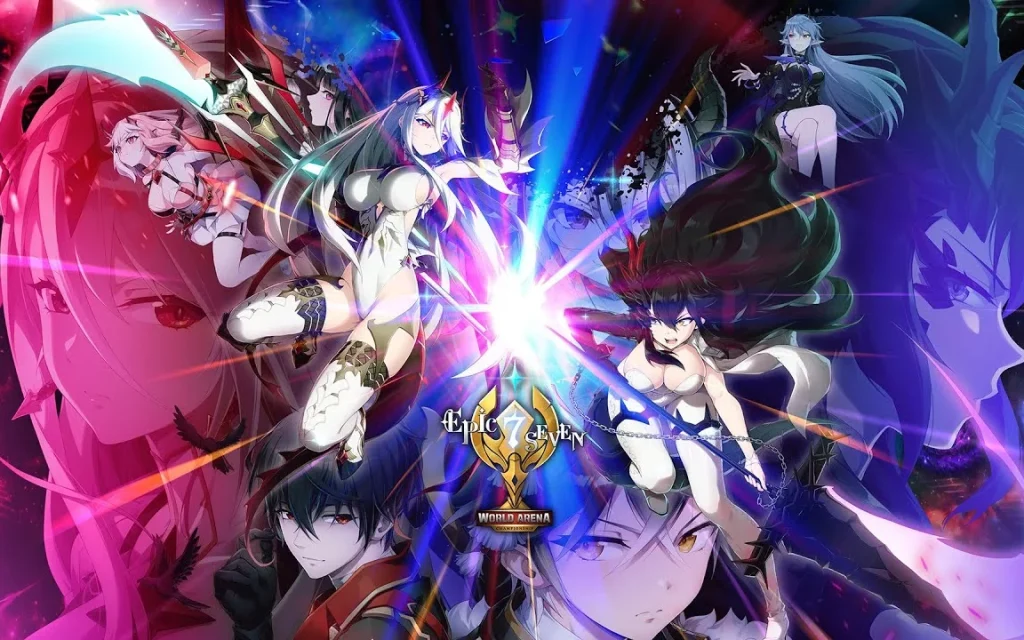
If you’re willing to commit to a gacha RPG on a months-long progression cycle and have the patience for real-time PvP strategic depth, this is one of the very few still-worthwhile turn-based RPGs on mobile. The recent Magic Control and Glorious Milestone systems have made the early-to-mid game transition smoother than before.
If you only want to experience the story and animations, the entire main campaign can be cleared with free characters. There’s no need to chase PvP gear. With over 2,000 stories and blockbuster-quality 2D battle animations, it’s worth a look on those terms alone.
If you’re looking for a side game to build characters in your spare time and compete at your own pace, the core experience of Epic Seven delivers. Just be ready to endure the mid-game grind.
All game screenshots, character designs, and related assets referenced in this article are the property of Super Creative and Smilegate. The article itself is an original work of commentary and curation. Please credit the source if reposting. For copyright concerns, contact [email protected].
Comments (1)