
Silent Hill: Townfall — The First-Person Bet Paid Off, But the Rest of the Game Hasn’t Caught Up

On September 24, 2026, Silent Hill: Townfall launched worldwide, co-published by Konami and Annapurna Interactive. Developed by Scottish studio Screen Burn Interactive, it arrived on PS5, Steam, and Epic Games Store. It is the first full-length Silent Hill game to use a first-person perspective throughout.
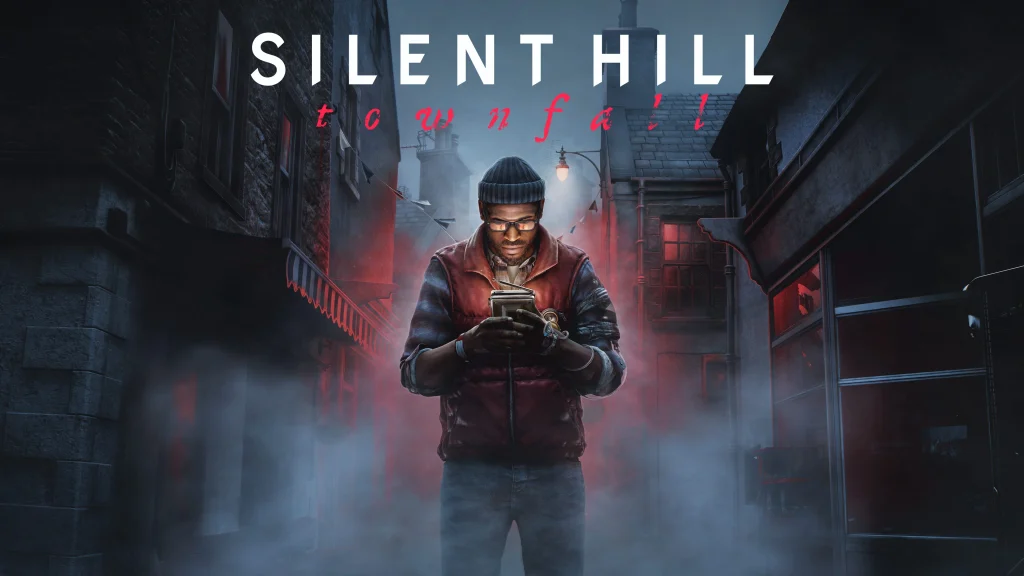
The game did something the series hadn’t done in over twenty years: it moved the camera from behind the character into their eyes.
First-Person: Fear Stops Being Something You Watch and Becomes Something You Feel
The horror of Silent Hill has largely been built on observation. You control James, Heather, or Harry, watching them walk into the fog and face monsters. The fear comes from worrying about the character’s fate, but there’s always a screen between you and them.
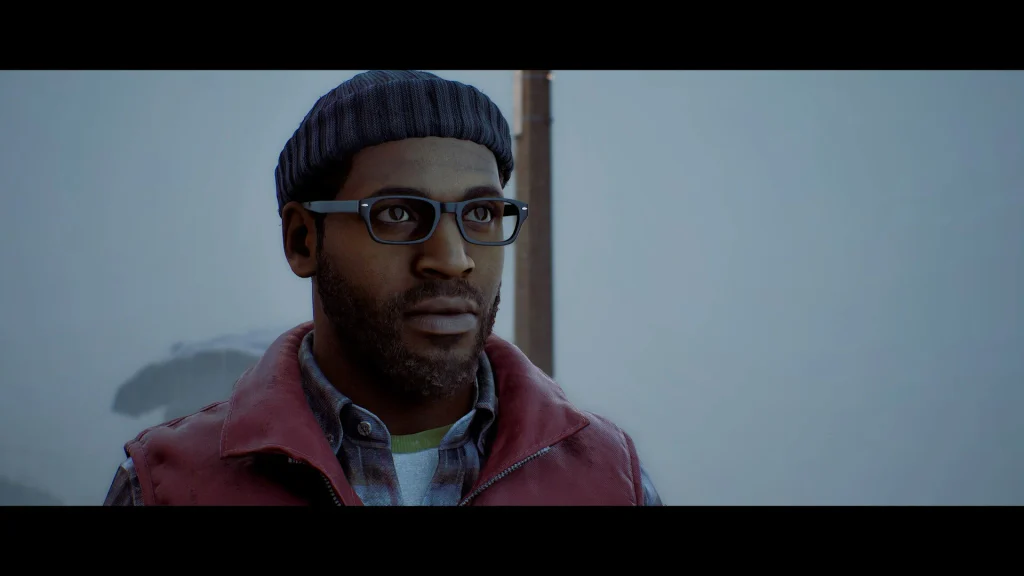
Townfall removes that screen.
You play as Simon Odell, who wakes up on the isolated Scottish island of St. Amelia in 1996 with only a bag of blood and a portable CRTV. The first-person perspective compresses your spatial awareness—you can no longer stand behind the character and observe both them and their surroundings. You can’t see what’s behind you, and you can’t predict threats from a spectator’s vantage point.
Sound becomes much more important. The developers have said that the narrower field of view makes audio a bigger part of the horror. You hear footsteps echo in a corridor, but you don’t know where they’re coming from. You hear static from the CRTV, but you can’t tell if it’s a clue or a warning.
IGN gave the game an 8/10, praising its atmosphere, narrative, and immersion. GameSpot also scored it 8/10, while Digital Spy awarded a perfect 5/5. Wccftech was more reserved with a 6.5/10, saying the first-person perspective “works well for the series,” but that repetitive stealth and combat drag down the second half.
The shift has one immediate consequence: you are no longer a player controlling a character who flees from horror—you become the person trapped inside it. That heightened immersion is real, and it’s Townfall‘s biggest design gamble.
CRTV: Turning the Unknown Into Something You Operate
The series’ classic radio is replaced by a portable CRTV (cathode-ray tube television), the most notable mechanical change in Townfall.
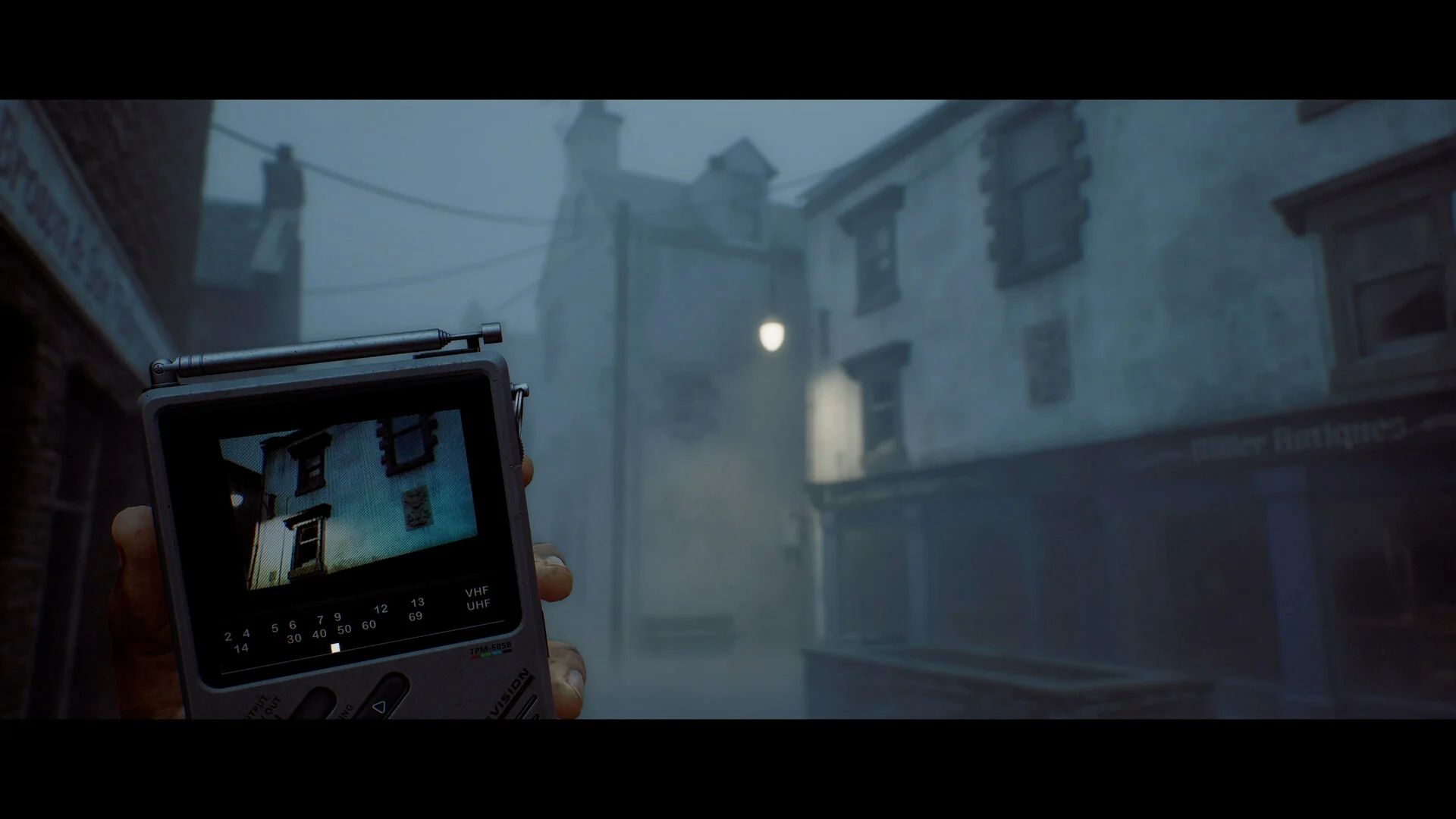
The CRTV does far more than detect monsters. Famitsu’s hands-on preview highlighted two key functions: providing hints for puzzles and directions, and confirming nearby enemy positions via specific channels. One device handles navigation, puzzle assistance, enemy warning, and narrative delivery.
A mysterious woman named Zoe speaks to Simon through the CRTV, guiding him and gradually revealing his connection to the town. The unstable old television ties exploration, puzzles, stealth, and narrative together.
But what’s truly interesting about the CRTV is this: it turns uncertainty into something you have to actively manage. It gives you clues, but it never tells you what to make of them. It tells you where the monsters are, but it doesn’t make them any less frightening. You still have to carry the TV into the dark, and you still have to face the silence when the signal cuts out.
Stealth: The First-Person Advantage, and Its Biggest Weakness
Townfall‘s controversy centers on one thing: stealth and pursuit.
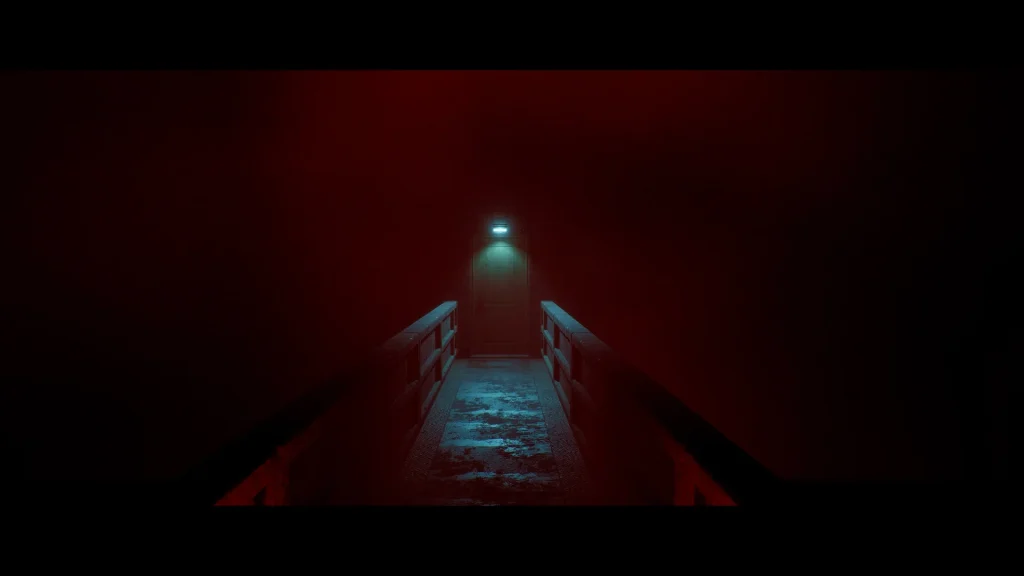
First-person should be a natural fit for stealth. Your field of view is limited, you rely more on sound to judge threat direction, and you face greater uncertainty at corners and in tight spaces. Games like Alien: Isolation have already shown how well that can work.
But in Townfall, the stealth system itself is repetitive. Wccftech directly criticized the stealth sections for becoming tedious later on, and the enemy pursuit sequences for being irritating. Multiple reviews also pointed to stealth, combat, and the second half’s pacing as the main issues.
This leads to a key judgment: even after the PC performance issues are fixed, the stealth problems will still be there. Fixing the PC performance won’t fix that. It’s a design problem, not a technical one. The first-person perspective got the fear right, but the gameplay built around it doesn’t maintain the same level of quality throughout.
Story: A More “Adult” Silent Hill
Set on the isolated Scottish island of St. Amelia in 1996, Simon Odell wakes up with no memory of who he is, his only clues a CRTV and a vague conviction—”to set things right.”
Famitsu’s review called it “the most ‘adult-oriented’ Silent Hill in the entire series,” with themes that the more life experience a player brings to it, the more they’ll get out of its themes. The game doesn’t follow a traditional single-protagonist linear narrative, but instead pieces together the full picture through multiple perspectives. It’s familiar Silent Hill territory, but it asks the player to piece together more for themselves.
PC Version: Technical Issues Amplify Pre-Existing Gaps
The PC version’s performance is the most discussed issue after launch.
Many players reported stuttering, frame rate drops, and brief CPU spikes when entering new areas. Some players have linked the stutters to shader compilation and traversal. Even on high-end configurations, similar reports emerged.
Konami acknowledged the issues on launch day and said a fix was in development. But as of September 28, 2026, the patch is still in development, and players are still dealing with the same launch-day performance problems.
Steam’s current overall rating is “Mixed,” with just over 60% positive. This stands in stark contrast to the 81 Metacritic average on PS5 and PC.
But the more accurate statement is: PC performance isn’t the only problem with Townfall—it just amplifies the pre-existing repetitive stealth issues. Even with performance fixed, the pursuit and evasion in the second half may still fatigue some players.
The First-Person Bet Paid Off, But the Rest of the Game Hasn’t Caught Up
What’s truly bold about Silent Hill: Townfall isn’t that it moved the setting to 1996 Scotland, or that it gave players a CRTV instead of a radio. It’s that it actually turned Silent Hill‘s most important quality—”you don’t know what you’ll see next”—into a spatial problem in first-person.
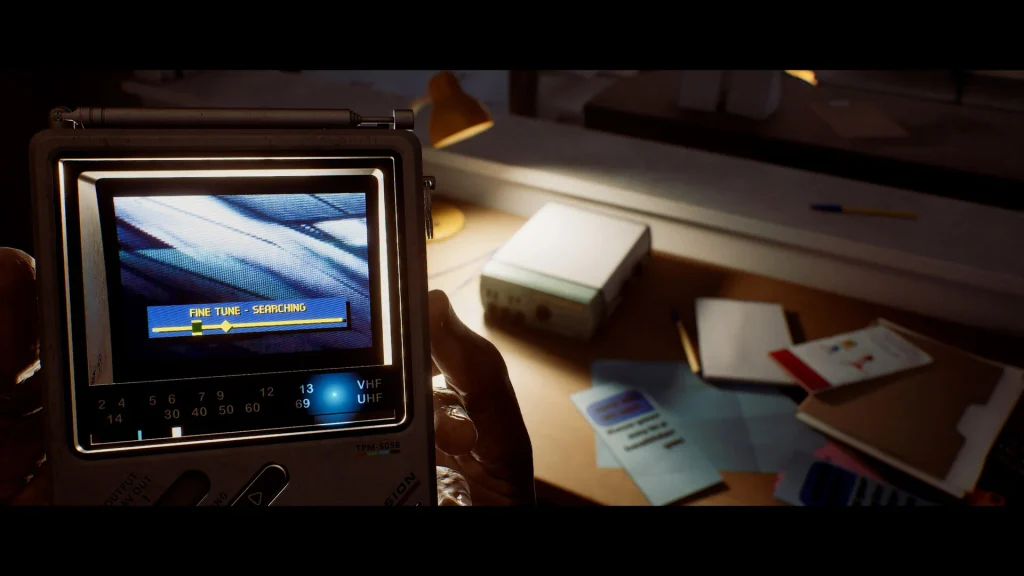
You can’t see what’s behind you, and you can’t observe the character from outside a third-person camera. The CRTV can tell you where monsters are, but it won’t erase your fear; it can give you clues, but it won’t understand what’s in front of you for you.
That’s why Townfall‘s first-person shift works.
The problem is that the stealth and pursuit built around this perspective don’t maintain the same level of polish throughout. In the second half, repetitive evasion, pursuit, and combat gradually drain the tension built up earlier. The PC version’s stuttering and performance issues at launch only widen that fracture further.
So Townfall isn’t a game “ruined” by PC optimization. It’s a bold experiment with obvious gaps.
But its best parts are genuinely excellent—the first-person perspective, the CRTV, the sound design, and the atmosphere of St. Amelia all prove that Silent Hill doesn’t need to stay behind a third-person camera forever.
As of September 28, 2026, the PC technical issues are still awaiting a fix, and the overall Steam rating remains “Mixed.”
Strip away the technical problems, and what remains is still interesting—not because it perfects the Silent Hill formula, but because it proves the formula can work from a completely different perspective.
The horror of Silent Hill can still happen to the player in a completely different way.
Copyright Notice: All game screenshots, character images, and related assets used in this article are the property of Konami and Screen Burn Interactive and their respective rights holders. This article is intended solely for informational, review, and commentary purposes.
Comments (0)
No comments yet