
Trails in the Sky the 2nd — A Textbook Remake That Makes a 20-Year-Old Farewell Feel Brand New

In 2006, Falcom used Trails in the Sky SC to write a final chapter in the story of Estelle and Joshua. Twenty years later, in September 2026, that story was retold—with full 3D presentation, reorchestrated music, and a smoother combat system. Trails in the Sky the 2nd is the second entry in Falcom’s full remake project for the Trails series, following the 1st.
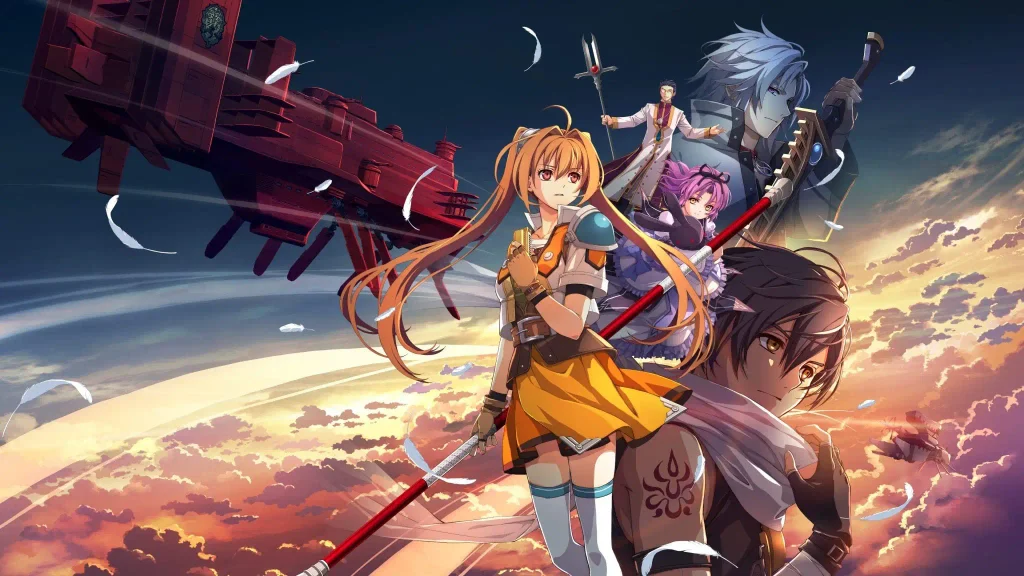
It accomplishes the hardest thing a remake can do: making veteran players feel “this is exactly right,” while making newcomers feel like this is a game genuinely rebuilt for today.
That Harmonica, and the Words “Goodbye”
The story picks up right where the 1st left off. Estelle and Joshua stop Colonel Richard’s coup and officially become senior bracers. But on the night of the Queen’s Birthday Festival, Joshua confesses his true identity to Estelle, leaves behind the words “—Goodbye, Estelle,” and vanishes into the night.
All Estelle has left is the harmonica Joshua left behind. She decides to set out and find him.
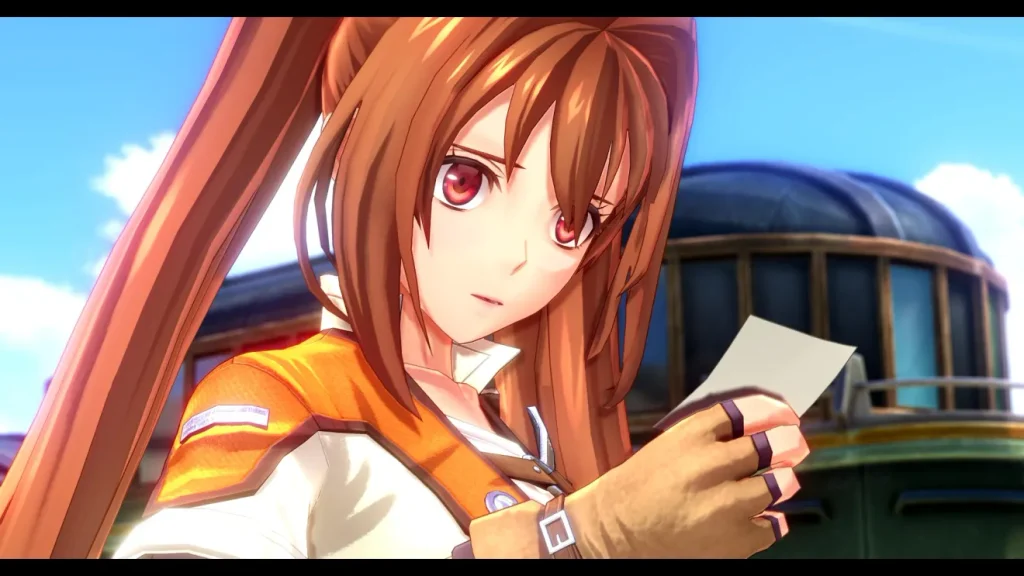
But the 2nd is about far more than a chase. The mysterious society operating behind the scenes in the previous game, Ouroboros, steps into the open, and all of Liberl is thrown into chaos once again. A burning capital, a colossal airship, the awakening of the Shining Ring—as Estelle searches for Joshua, she’s drawn into the kingdom’s greatest crisis.
One reviewer who finished the game in around 60 hours described it as the “direct second half” of the 1st. The first game introduced the characters and world; this one resolves every thread left hanging. As the story progresses, the twists come faster, and after dozens of hours of buildup, the characters’ emotional arcs carry even more weight. The ending was said to “live up to the expectations set by the first game’s conclusion.”
Combat: From “It Works” to “It Looks Great”
the 2nd continues the hybrid combat structure from the previous remake: you attack monsters in real time on the field, then enter turn-based combat where Crafts, Arts, S-Crafts, positioning, turn order, and AT bonuses all factor into your tactical choices.
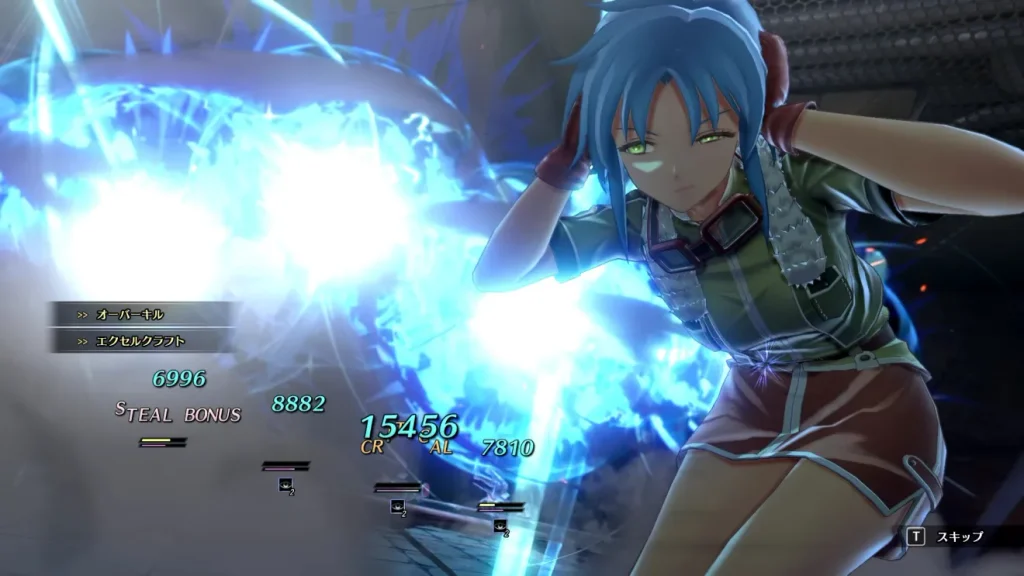
But this entry makes several key additions. First, you can carry over clear data from the previous game, earning bonus items based on your progress and making the early game smoother. Second, the tactical orbment gets further upgrades, with expanded slots and more Arts giving characters greater build flexibility. Most importantly, Quick Battle adds a new co-op attack called “Brave Rush.” This new element consumes 2 Brave Gauge segments and lets the controlled character and a partner unleash a wide-range, high-power special attack. It not only deals heavy damage but significantly increases the enemy’s stun value, making it easier to put them into a stunned state; switch to Command Battle at that point, and you can immediately trigger a preemptive “Brave Attack”—genuinely useful. This means field combat is no longer just a “clear the trash mobs” formality, but has a more complete tactical feel.
The animations also received a full upgrade. The shift to full 3D gives skill animations far more room to shine than the original 2D presentation allowed. One review noted that the combat improvements are “one of the game’s most standout strengths,” and the fast-forward feature effectively reduces the fatigue of repeated battles.
Faithful, But Not Stuck in the Past
the 2nd‘s approach to remaking is clear: faithful, but not stuck in the past.
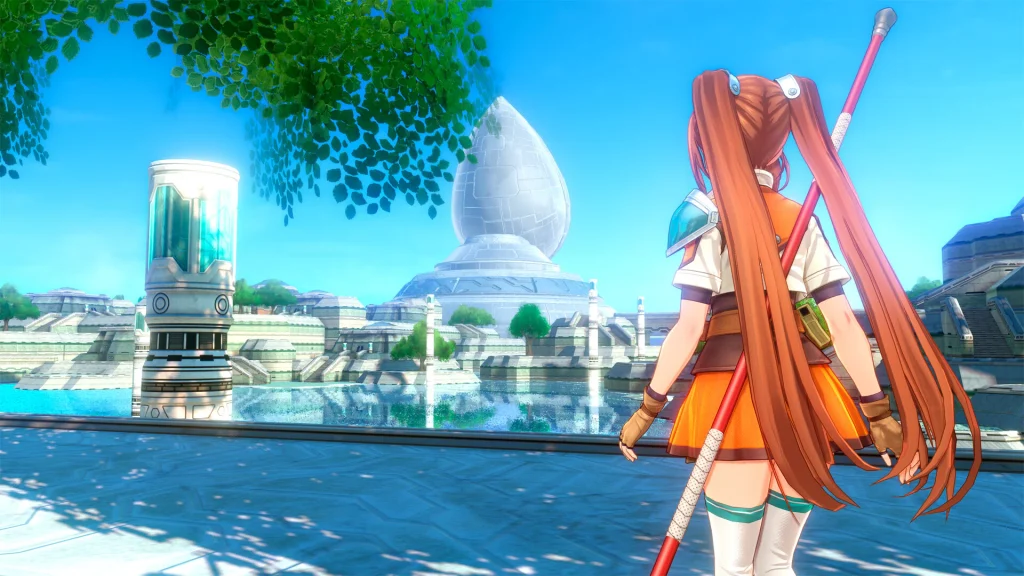
A GamesRadar reviewer made an interesting comparison. They noted that the FF7 Remake trilogy split one game’s story into three, while Trails in the Sky was three complete games from the start, each with its own full story and character arcs. So the 2nd doesn’t need to “reimagine” anything—it needs to “recreate more accurately,” and then fill in every scene’s details even more completely on top of that.
This “faithful remake” strategy lets the 2nd preserve the original’s narrative backbone while using full 3D presentation, more detailed character animation, and an adjusted script to make key emotional moments hit harder than the original. Wccftech noted that the remake “removes almost every friction point that made the original feel dated in 2026,” while preserving the core appeal of its story.
The game also adds a wealth of optional content: fishing, poker and other casino minigames, cooking with your companions, and fan-favorite characters joining your team. For a game whose full playthrough easily reaches 60 to 100 hours, these side activities make the world of Liberl feel even richer.
Critical Reception: A Strong Opening
Trails in the Sky the 2nd‘s review scores climbed quickly after embargo lifted. As of this writing, OpenCritic sits at an average of around 92, with 97% of critics recommending; Metacritic varies by platform, with PC at 93 and PS5 at 92. Steam user reviews remain at roughly 96% positive.
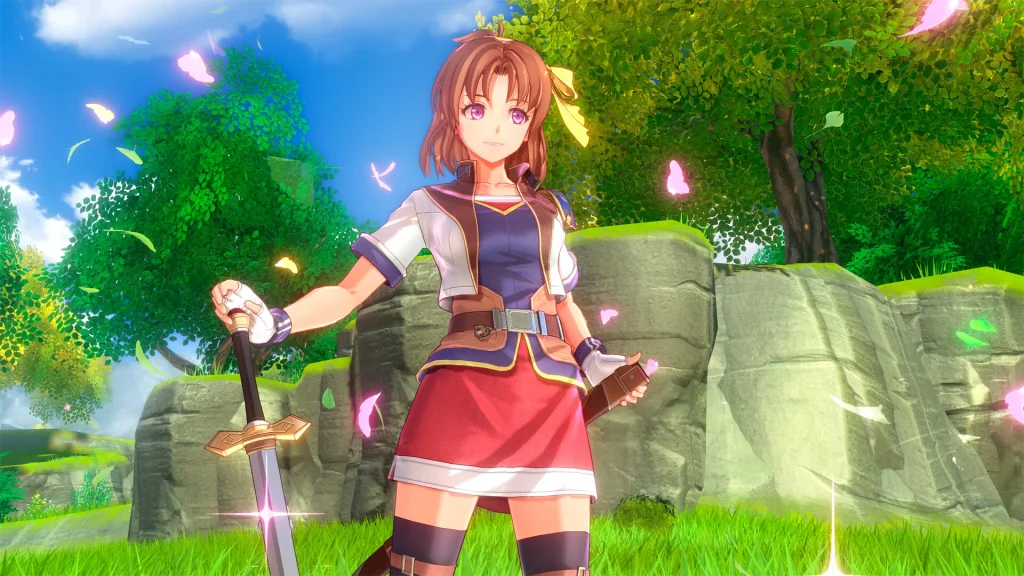
IGN Korea gave it a 9/10, calling it “a solid choice for longtime fans of the series, players who experienced the original, and newcomers to the Trails series alike.” The review specifically highlighted the redesigned UI and optimized systems, saying the experience now feels “closer to the complete form of the Legend of Heroes JRPG formula.”
RPG Site awarded a perfect 10/10, praising the game’s excellence in story, character writing, music, and overall remake quality.
NookGaming gave it a 9/10, saying it is “a work where you can feel the development team’s love and respect for the original, just like the previous remake,” and that experiencing this story again in full 3D “was still an incredibly enjoyable playthrough.” The review also noted that this entry’s highs are noticeably higher, but its lows are also more pronounced, and some original shortcomings remain.
Critical voices exist as well. Jeuxvideo pointed out that the game’s early pacing is slow and the problem of retreading old areas remains obvious. The reviewer felt the main story takes dozens of hours to truly take off, and players must revisit locations across Liberl, repeatedly dealing with anomalies caused by Ouroboros members, which can cause fatigue in the first half. Some scenes feel somewhat low-detail, the soundtrack occasionally has a noticeably synthetic quality, and the music can feel repetitive when passing through the same areas multiple times.
What’s Remade Here Isn’t Just the Graphics
The game is priced at $59.99 on Steam, with a Digital Deluxe Edition that includes season pass content.
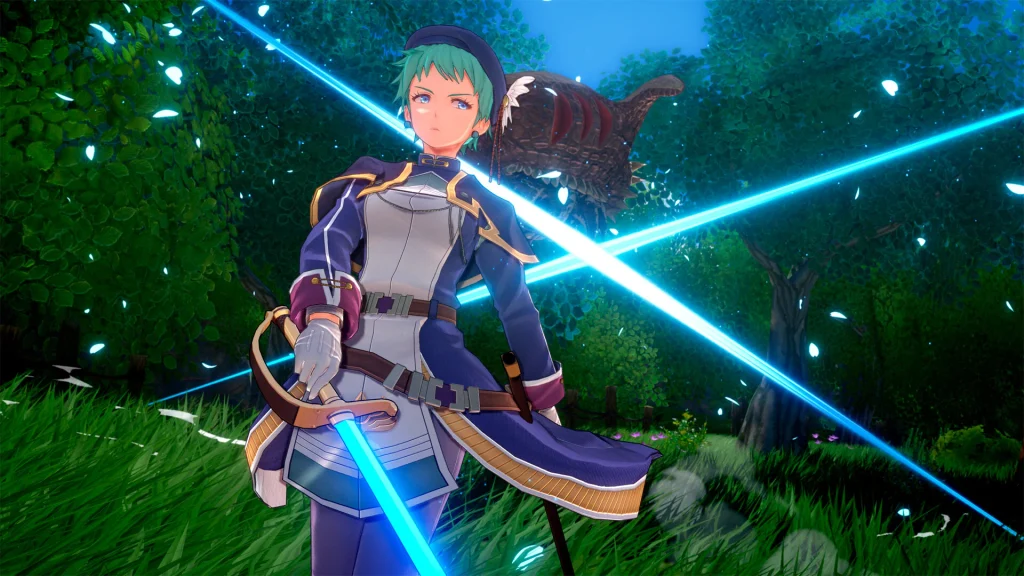
If you’re a longtime fan of the Trails in the Sky series—this is more like a reunion twenty years in the making. It doesn’t “reinvent” the original the way some remakes do; instead, it uses modern technology and presentation to tell the same story that moved you back then, all over again. The GamesRadar reviewer said this remake made them “wish the FF7 Remake had done it this way”—which is probably the highest praise a remake can get.
If you got into the series through the 1st remake—just keep playing. the 2nd and the 1st use a similar gameplay framework, with the biggest differences coming from the story. But note: without understanding the previous game’s character relationships and plot, many of this entry’s emotional beats will land much softer.
If you’re interested in JRPGs but haven’t touched the Trails series—start with the 1st. This isn’t a game meant to be played out of order. But if you’re willing to invest 60 to 100 hours, it will give you a remarkably complete classic JRPG experience.
If you’re sensitive to slow pacing—be prepared. The early game is genuinely slow, and the repeated exploration of old areas is a real issue. But if you can push through the first half, the way the story comes together and the emotional payoff in the second half are worth the wait.
Copyright Notice: All game screenshots, character images, and related assets used in this article belong to their respective rights holders, including Nihon Falcom and Clouded Leopard Entertainment. This article is intended solely for informational, review, and commentary purposes.
Comments (0)
No comments yet