Code Vein II — When an Anime Soulslike Tries to Embrace an Open World

Code Vein II launched in January 2026 on PS5, Xbox Series X|S, and PC, with the Steam version releasing to all players on January 30. The Steam release offers Standard, Deluxe, and Ultimate Editions.
Seven years have passed since the original. The 2019 Code Vein wasn’t a masterpiece, but its “anime + Soulslike” niche earned it a solid reputation—as of this writing, the original still has over 62,000 user reviews on Steam with around 81.8% of reviews being positive. Seven years later, the sequel returns with a bigger ambition: moving from linear levels to an open world.
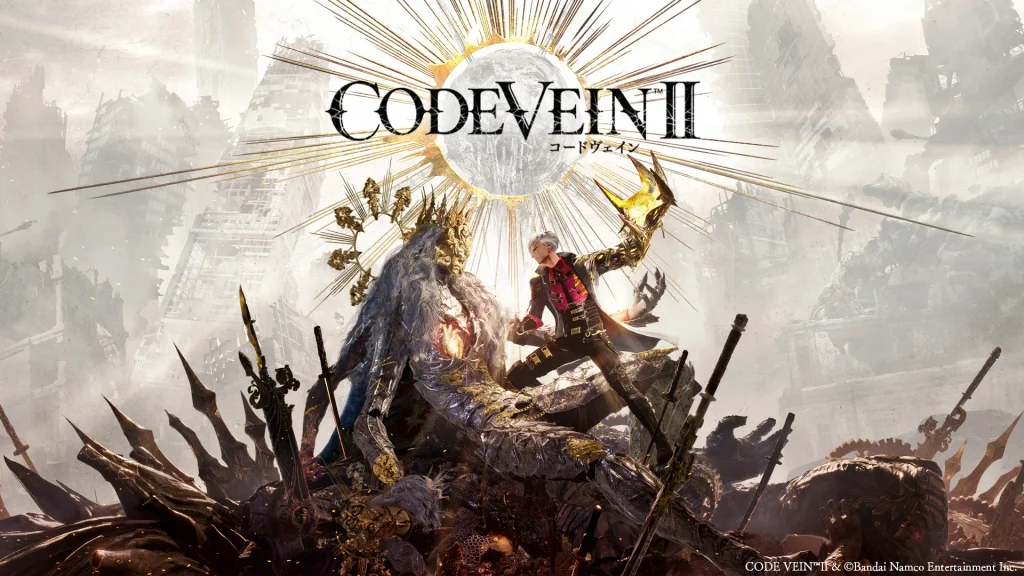
That ambition isn’t inherently wrong. The problem is that the open world’s content density and exploration rewards didn’t keep pace with the map’s scale.
Open World: The Map Got Bigger, But Did the Content Keep Up?
The biggest change in Code Vein II is its shift from the original’s linear structure to an open world.
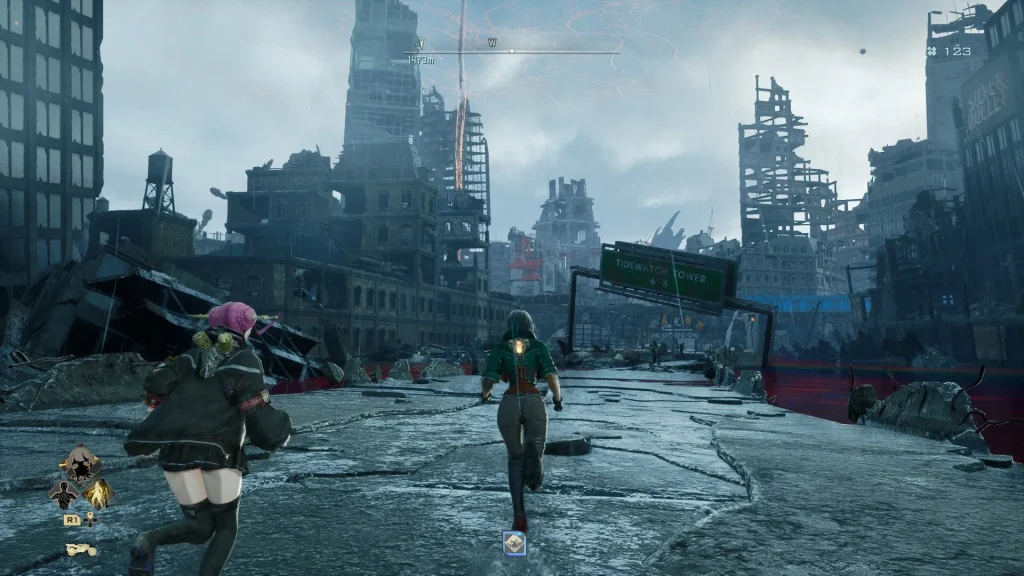
It was a bold decision. The original’s linear design was criticized for being “not open enough,” but it also delivered a clear exploration rhythm and a manageable difficulty curve. The sequel clearly tried to address those criticisms, introducing the Frontier, an open-world region where players can ride a motorcycle freely across the wasteland.
The motorcycle does add some fun. One reviewer described the joy of speeding along rain-slicked roads, cutting through dense forests, and watching sunlight filter through the trees. The bike also has special aerial movement abilities, helping players reach areas that would otherwise be inaccessible.
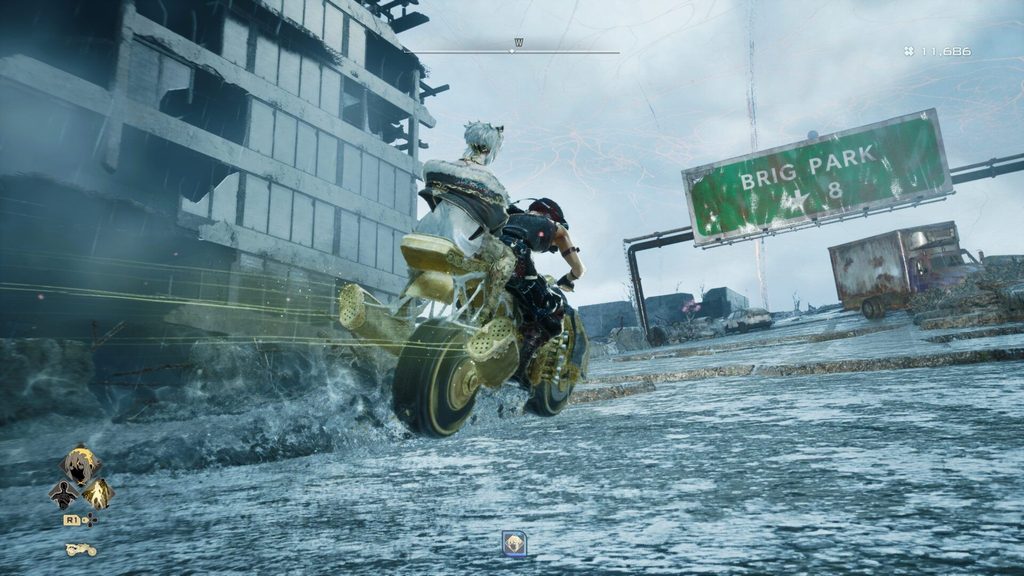
But the problem is that the open world itself lacks enough content to justify its size.
IGN called the “mediocre open world” the sequel’s most obvious weakness. The scattered outposts mostly offer repetitive combat encounters, and exploration doesn’t feel rewarding. Enemy variety is still lacking—you’ll frequently encounter enemies with highly similar designs and behaviors, and the same problem affects some boss encounters. Push Square was even more direct: the game has “a solid mechanical foundation, but is dragged down by repetition.”
The original’s problem was being “too linear”; the sequel’s problem is “getting bigger without filling the space.” That’s more accurate than simply saying “the open world is bad.”
Combat: Depth Is There, But Feedback Lags Behind
If the open world is an uneven experiment, the combat system is one of the few things Code Vein II gets right.
The sequel keeps the original’s core Blood Code system and greatly expands build freedom. The number of weapon types has increased to seven, and the new Forma system functions like equippable special abilities, similar to Ashes of War in Elden Ring. The Jail system further expands drain attacks, creating a new resource loop between Drain Attacks and the new Forma attacks. GameSpot explicitly called “fantastic build flexibility” one of the sequel’s biggest strengths. TheGamer gave it 80/100, saying the “combat system is greatly improved” and even claiming the sequel “stands alongside some of the better Soulslike games.”
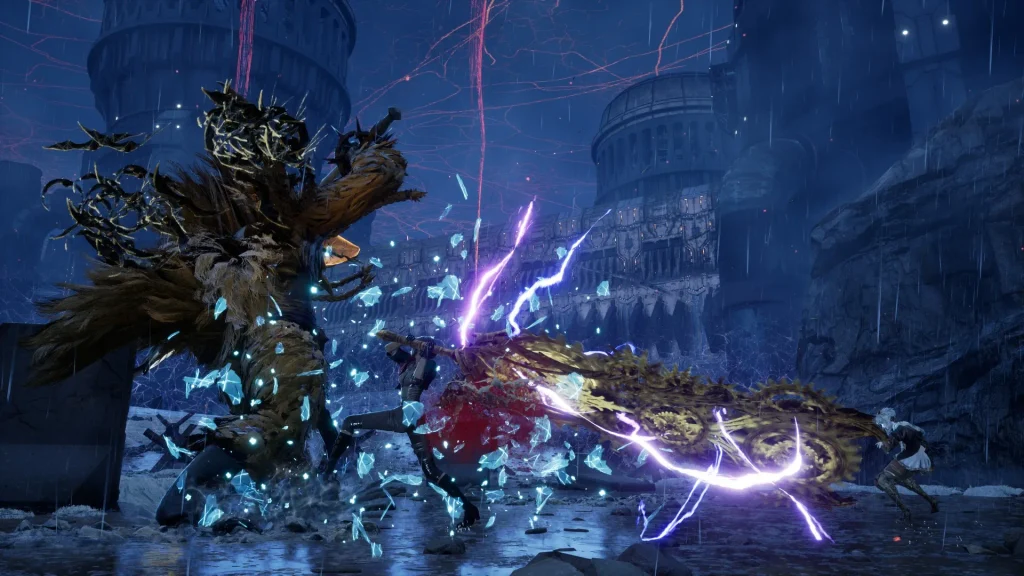
These improvements add depth, but they don’t fully solve the problems with combat feedback and mechanical clarity. IGN pointed out that “many mechanics exist simultaneously but lack coherence”—Burden, Boosters, buddy assimilation, item crafting, and other systems are “poorly explained.” Attack animations can be hard to read, and enemy wind-up animations aren’t clear enough. TheSixthAxis also noted that while combat has its nuances, the controls don’t feel responsive enough.
In other words, Code Vein II‘s combat has depth, but that depth is buried beneath unclear design and inconsistent responsiveness.
Story: Time-Travel Ambition, Execution Gap
The story setup is the most ambitious part of Code Vein II: you play as a “Revenant Hunter” partnered with Lou, a girl with time-travel abilities. You go back in time to change the fates of five heroes, repairing the present destroyed by the “Resurgence” disaster.
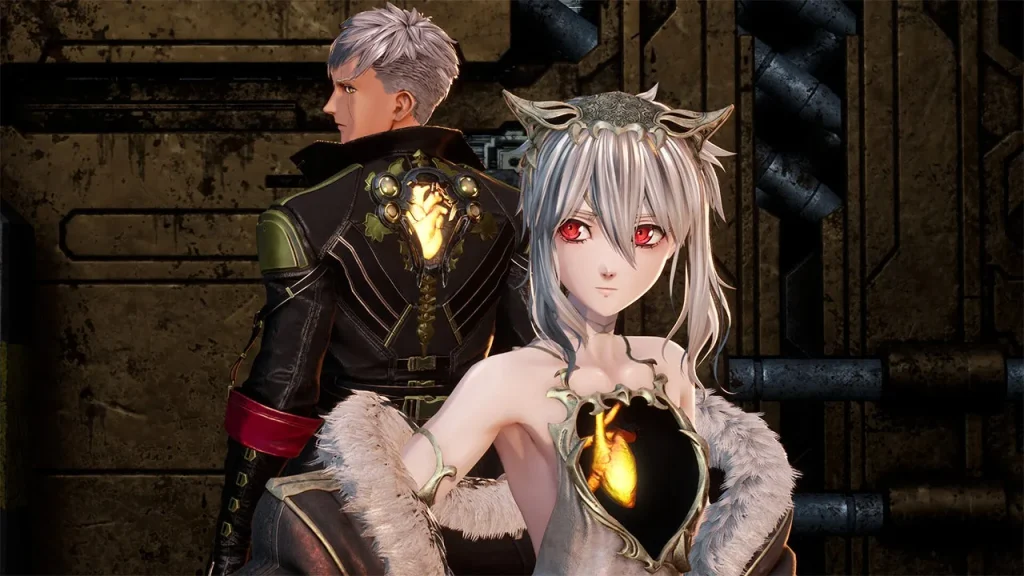
The premise is compelling. IGN’s reviewer admitted that the “time travel + changing history” concept was the main driver that kept them playing through the 50-hour campaign. The open world changes subtly as the timeline shifts, reinforcing the feeling that your actions actually have consequences.
But the execution stumbles.
IGN criticized that some key plot points are delivered through overly static memory fragments, making the information unclear and undercutting the emotional impact the story should have. Push Square was harsher: the narrative presentation “almost immediately makes you want to skip the long-winded exposition.”
Other outlets saw it differently. Kotaku felt the characters’ individual storylines “come to a satisfying conclusion,” especially Dr. Holly’s story, which “hit home.” TheSixthAxis highly praised the time-travel and dual past/present structure. The concept itself earned some praise; the divide is more about execution.
Technical Issues: Performance Problems Amplify the Flaws
Code Vein II‘s Steam reception has been dragged down largely by technical issues.
At launch, the share of positive Steam reviews dipped to just over 50%. Negative reviews focused on optimization: the PC version suffered from noticeable frame rate and frame-time issues, with some players reporting instability even on higher-end hardware, along with screen tearing and lighting glitches.
Publisher Bandai Namco has since released multiple patches addressing performance and stability issues, and the Steam rating has gradually recovered. As of this writing, Metacritic sits at 70, with 52% positive from 85 critic reviews. Steam English user reviews currently sit at around 65% positive, with recent reviews showing improvement.
Buying Advice: Is This Expansion Worth It?

Code Vein II‘s problem isn’t that it made the map bigger—it’s that it didn’t make that bigger map worth exploring.
If you want a more relaxed Soulslike experience—it’s worth considering. Kotaku put it well: it’s “gentler” than similar games, with character writing and build freedom as its highlights.
If you want a sequel that truly surpasses the original—temper your expectations. IGN concluded it “doesn’t surpass the original” and is “even less distinctive” in an increasingly crowded Soulslike market.
If you’re sensitive to PC performance issues—the situation has improved since launch, but the game still isn’t completely free of technical criticism. Given the game’s current state, content, and performance, the full price isn’t the best time to jump in—waiting for a discount makes more sense.
Copyright Notice: All game screenshots, character images, and related assets used in this article are the property of Bandai Namco Entertainment and their respective rights holders. This article is intended solely for game introduction, review, and informational purposes.
Comments (0)
No comments yet