
Onimusha: Way of the Sword — Issen Returns After 20 Years

On September 4, 2026, Onimusha: Way of the Sword officially launched worldwide. It is the first mainline Onimusha game since Shin Onimusha: Dawn of Dreams in 2006, marking the series’ return after 20 years.
The game sold more than 1 million copies worldwide on launch day, bringing lifetime sales for the series to over 10 million. IGN awarded it a perfect 10/10, calling it “an incredible action game with an excellent story to match.” As of this writing, Metacritic scores across platforms sit in the low-to-mid 80s.
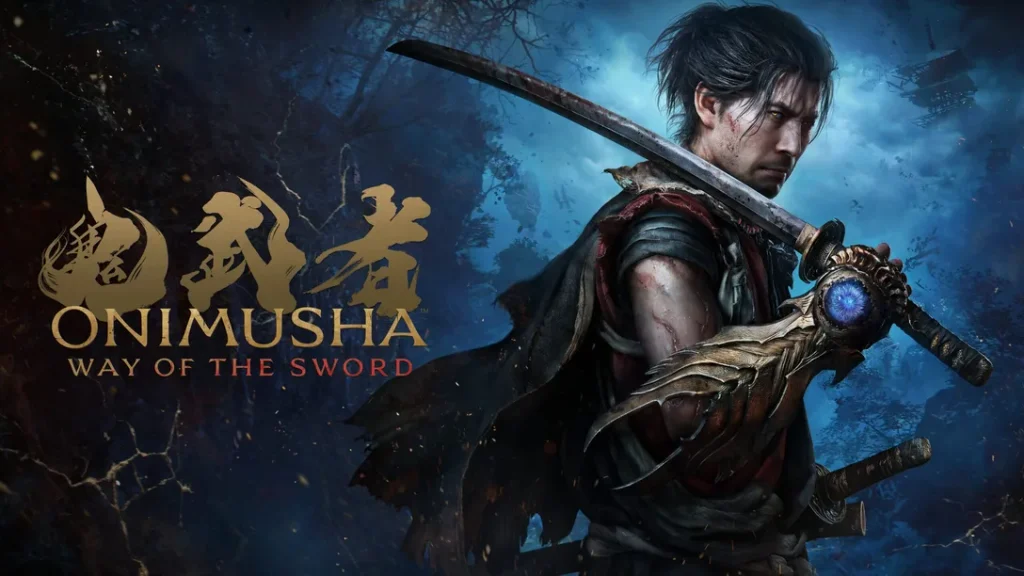
Beyond the numbers, the more interesting question is this: how does a 20-year-old action game IP prove it still matters in 2026?
Subtraction: One Katana, Three Core Defenses, One Issen
Capcom’s answer: subtract.
The series’ classic multi-weapon switching system is gone. The core of combat now revolves around a single katana.
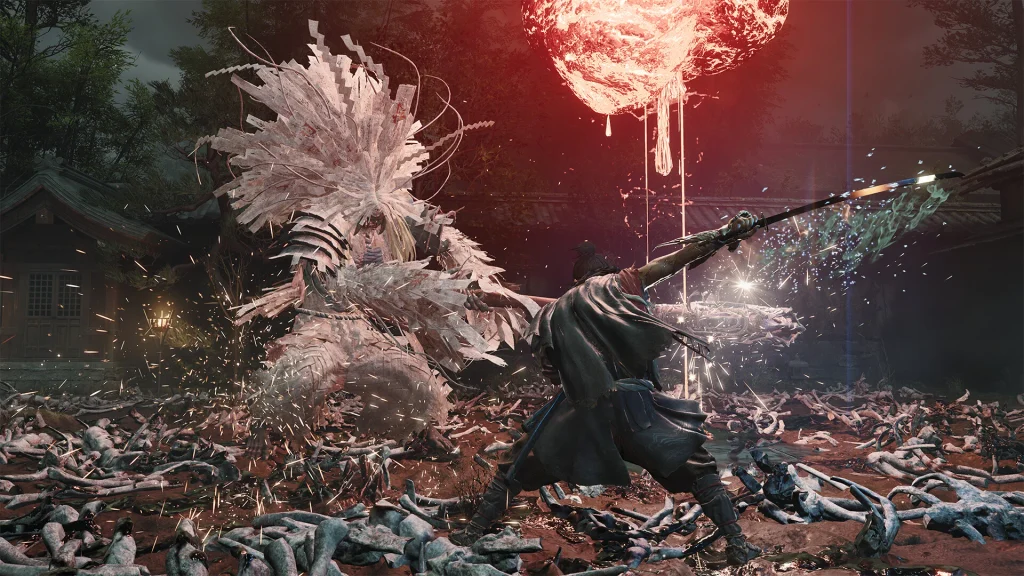
It’s a risky move. One weapon means one core attack rhythm — if that rhythm lacks depth, the combat will quickly grow stale. Capcom’s answer was to make the swordplay itself much deeper:
Offense is split between one-handed attacks (quick light attacks) and two-handed attacks (heavy attacks), with seamless transitions between them mid-combo. Defense offers three core options — Parry, Deflect, and Dodge. Parry creates openings and can stagger foes; Deflect is particularly effective at draining enemy balance and can even reflect projectiles; a perfect dodge builds resources. When an enemy’s balance gauge is depleted, the player can unleash “Break Issen” — an execution that can instantly finish most regular enemies. The series’ signature Issen also returns: strike at the precise moment an enemy’s attack is about to land for a devastating, high-risk counterattack.
What makes this system work is that every enemy attack becomes an opportunity for the player to strike back. Every blade-to-blade exchange becomes a test of pattern recognition, anticipation, and timing. GameSpot praised the combat as “firmly among the upper tier of modern action games,” while IGN noted that the game makes “mastery” itself the core source of enjoyment.
Miyamoto Musashi: A Protagonist Who Doesn’t Want to Be a Hero
This time, the protagonist is Miyamoto Musashi.
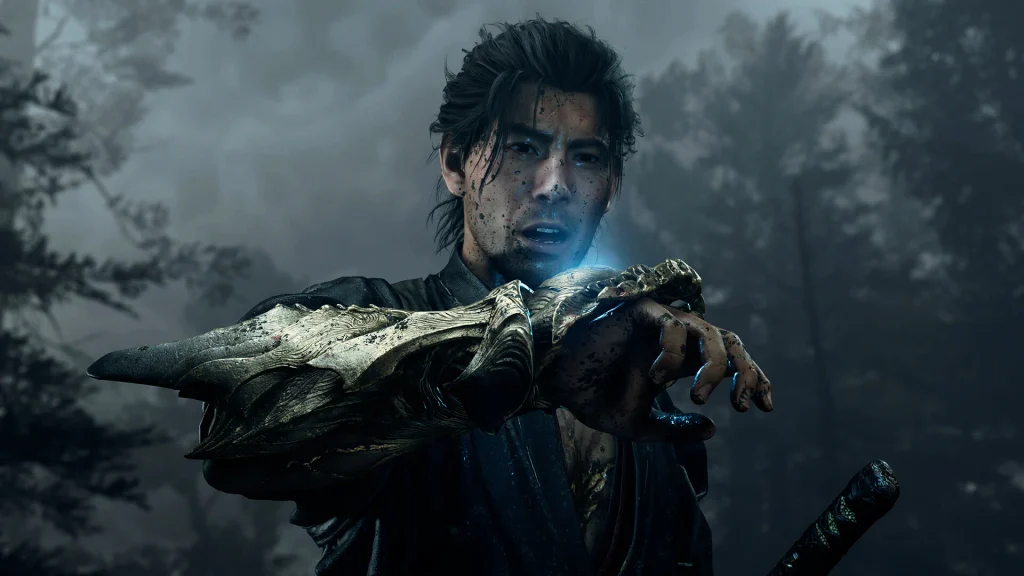
But this isn’t the historical Musashi who wrote The Book of Five Rings, nor the enlightened swordsman portrayed in Vagabond. This is a younger, fiercer, more arrogant Musashi — obsessed with proving himself the greatest swordsman in Japan. IGN’s review put it well: Musashi “isn’t a natural-born hero; he just wants to hone his skills and challenge the best, yet finds himself forced to bear the burden of saving others.”
The story begins with Musashi arriving in Kyoto. After winning a duel, he is ambushed by Genma demons. Mortally wounded, he is revived by a mysterious old man who forces the “Oni Gauntlet” onto his arm — a device that can absorb the souls of enemies. Within the gauntlet resides a female spirit named Shizuka. Musashi wants nothing more than to rid himself of the gauntlet, but the Genma are overrunning Kyoto — he has no choice but to fight. His rival, Sasaki Kojiro, receives a gauntlet of his own — one that devours human souls.
The character writing here is remarkably strong for an action game. Musashi is crude, arrogant, and cocky, yet oddly likeable. His appearance and movements are heavily inspired by the legendary Japanese actor Toshiro Mifune — down to the way he scratches the back of his head and walks. These details give Musashi a distinct personality rather than reducing him to a historical figure in a video game.
Where Do the Review Scores Diverge? The Semi-Open World
Mainstream critics are nearly unanimous on the combat: it’s exceptional. The real point of contention is the semi-open world design.
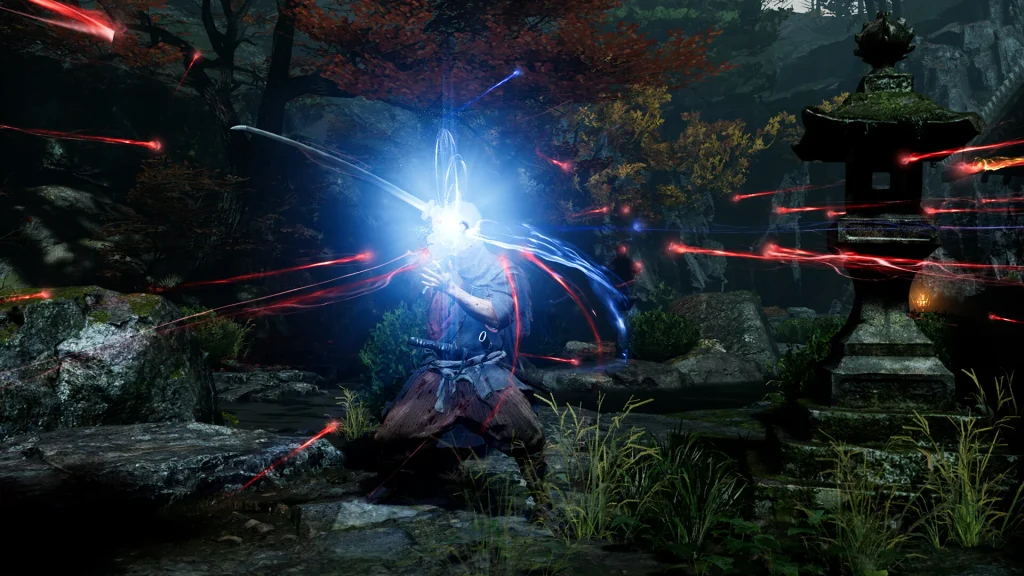
The game also adopts a semi-open structure, allowing players to move between regions, take on side quests, and collect resources. The problem is that the open-world design never reaches the heights of the combat system. Exploration feels unrewarding, and side quests are often formulaic and repetitive. GameSpot saw the semi-open world as a major stumbling block for the game.
This explains why IGN gave it a perfect score while GameSpot settled on an 8/10 — both outlets loved the combat, but their tolerance for the open-world and side content differed. For players who stick to the main story path, these issues may not matter much. But for those hoping for an experience on par with Ghost of Tsushima — where exploration and combat are equally compelling — the gap is noticeable.
The Buying Decision: It Depends on What You Want From Onimusha
The Standard Edition is $69.99 on Steam, the Deluxe Edition is $79.99, and the Premium Deluxe Edition is $89.99.
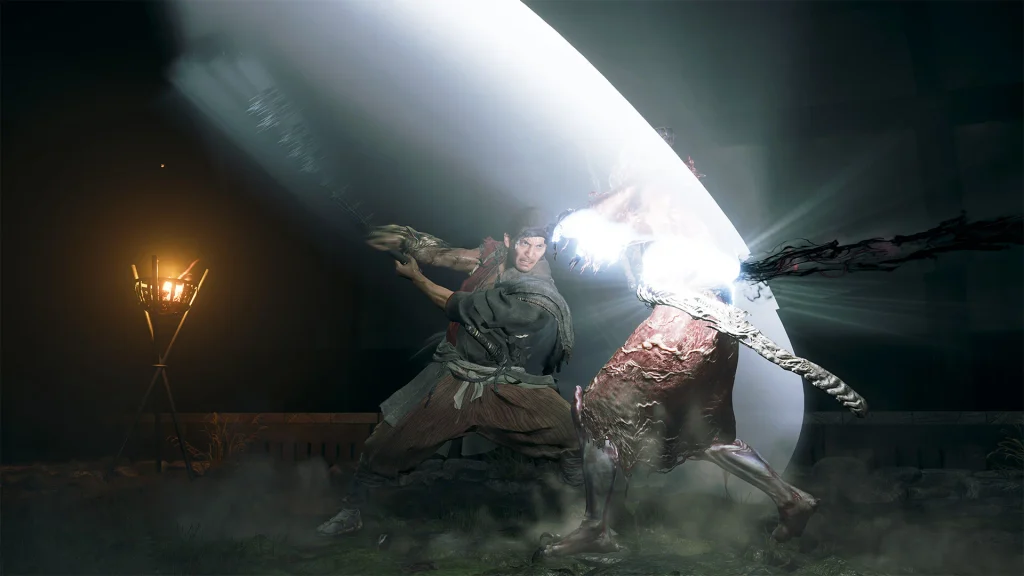
If you’re here for blade-to-blade combat — this is where the game truly shines. The combat system is highly polished, and Issen isn’t just nostalgia; it’s the engine that drives the entire experience.
If you’re expecting a rich open-world exploration game — temper your expectations. The game’s strength is combat; the semi-open world and side content are not where it shines.
If you just want to see what this new Issen feels like — the free playable demo is already available, and it’s more than enough to tell you whether the system clicks.
Copyright Notice: All game screenshots, character images, and related assets used in this article are the property of their respective rights holders. This article is intended solely for game introduction, review, and informational purposes.
Comments (0)
No comments yet