
Bodycam — When the Camera Is Strapped to Your Chest, You Remember How Much Combat Hurts

In June 2024, two French brothers—17-year-old Luca and 20-year-old Leo—dropped a game called Bodycam on Steam. What it does is simple: it moves the FPS camera from the “eyes” to the “chest,” then adds shake, overexposure, and blur until it looks like genuine bodycam footage.
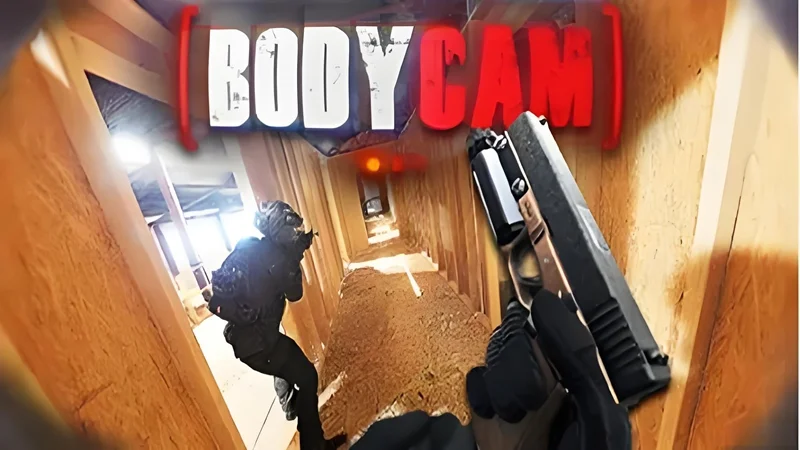
Two years later, Bodycam has accumulated over 65,000 reviews on Steam, still rated “Mostly Positive” with around 79% positive. Following the “Locked & Loaded” update on September 2, its concurrent player count peaked at 39,000 on September 6, setting a new Steam record for the game. The visuals are realistic enough to make first-time viewers wonder whether they’re watching actual tactical footage.
No Crosshair, No Health Bar, and You Don’t Even Know How Many Bullets You Have Left
Bodycam‘s core experience can be summed up in one sentence: you’re playing the “camera,” not the “character.”
There’s no crosshair, no mini-map, no ammo counter, no health bar, and none of the clear “hit feedback” you’d find in a traditional FPS. All you see is a shaky, distorted frame, because you’re looking at the world through an old bodycam strapped to your chest.
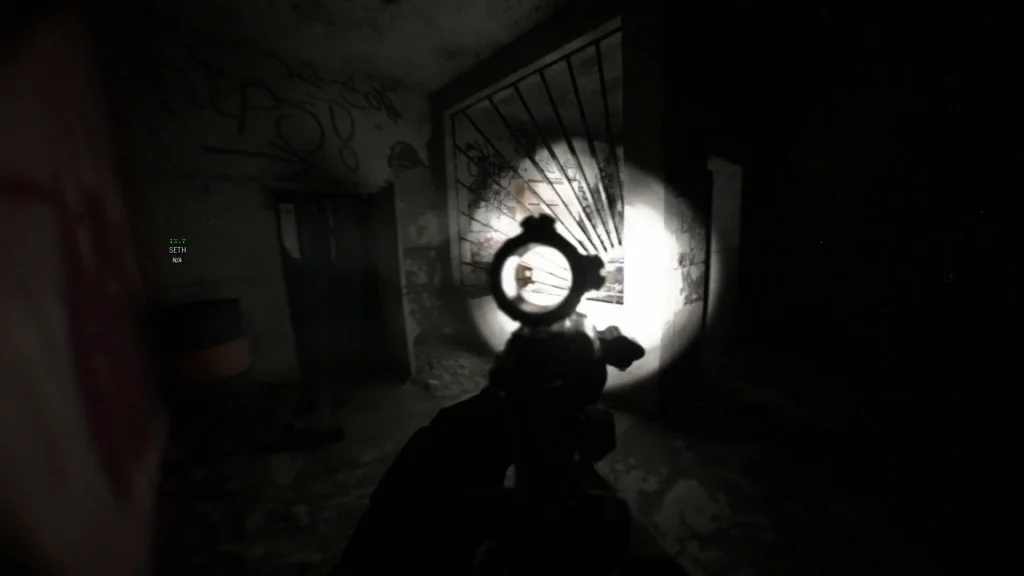
This forces you to fight like an actual person. You need to listen for footsteps to judge enemy positions, rely on teammates’ callouts, and keep track of how many rounds you’ve fired. Getting shot doesn’t feel like a game—there’s no health bar slowly draining. Once you’re hit, death can come almost instantly.
This design puts clear distance between Bodycam and traditional tactical shooters. It’s not about making you a stronger soldier—it’s about making you a more fragile person.
Multiplayer? You Have to Accept the Inconvenience First
Bodycam is a purely multiplayer FPS, with no traditional campaign or single-player mode. Its core experience is built on multiplayer combat and team coordination.
But its multiplayer setup still has the rough edges you’d expect from an indie game.
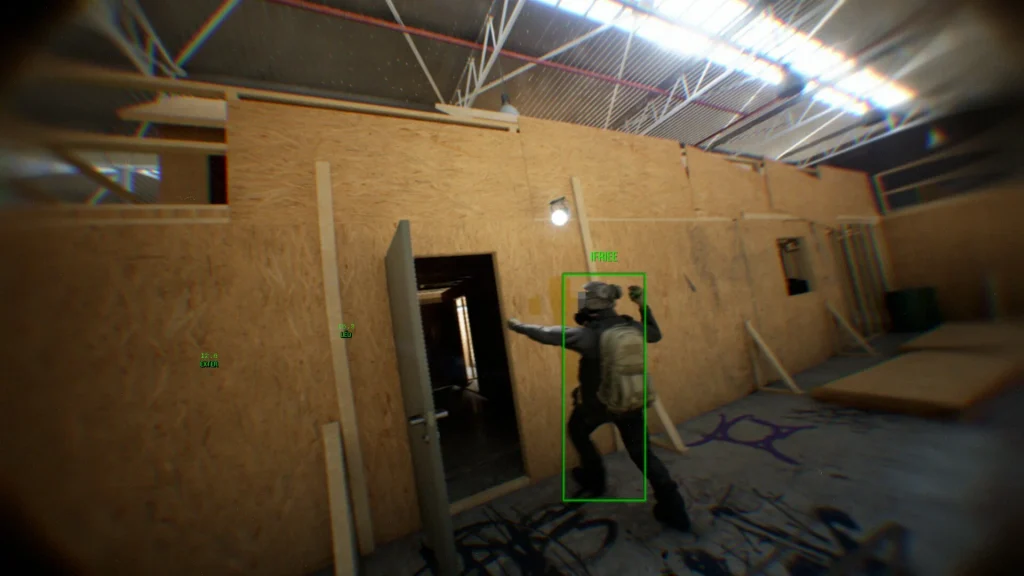
As of now, party matchmaking with friends is still not smooth. The development team is rebuilding the Party System, with plans to restore queuing with friends and joining friends’ matches directly from the server browser. Until then, players can still invite friends to a lobby and create custom rooms to play together.
It’s not a “click once and you’re playing with friends” experience. But you can play with friends—it just takes a few extra steps.
As for modes, the current lineup includes Deathmatch, Team Deathmatch, Wingman, Gun Game, Hardpoint, and Versus. Zombie Mode is temporarily disabled, with the developers planning to bring it back around Halloween.
The 2026 Update Gave This “Visual Demo” Some Bones
When Bodycam first launched, many treated it as a “tech demo”—the visuals were stunning, but the content was thin and the gameplay lacked depth. The September 2026 “Locked & Loaded” update changed a lot of that.
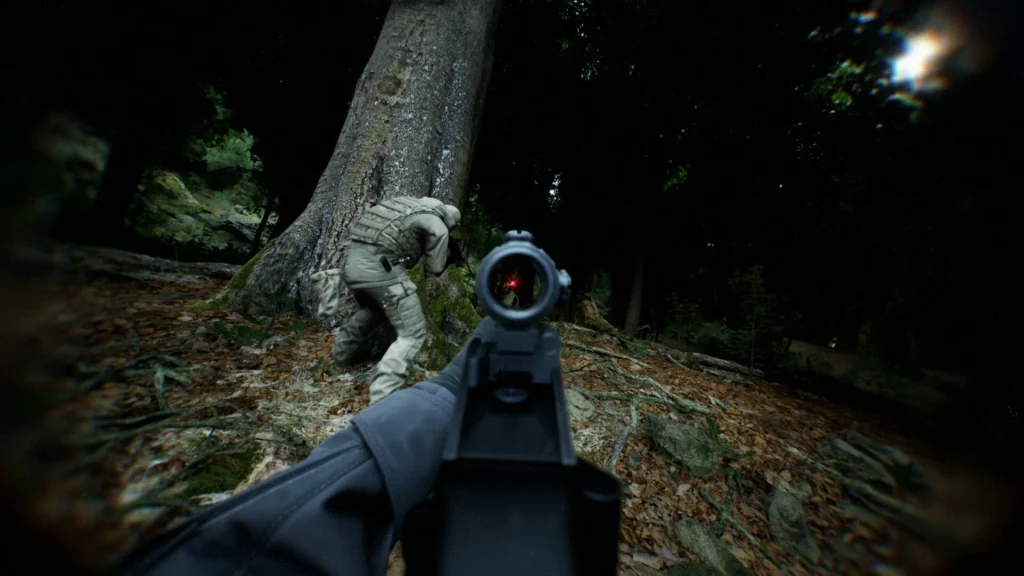
The update added nearly 400 weapon attachments, and they’re not cosmetic: different attachments affect ADS speed, reload speed, recoil, spread, and magazine capacity. Multiple new weapons and a custom optical sight shader make the “picture-in-picture” scope effect run with almost no performance loss, with realistic distortion and reflections at the edges of the lens.
Even more striking is the stress reload system. Under heavy fire, when injured, or under extreme tension, your character can fumble reloads—magazines going in crooked, hands slipping, or reloads needing to be corrected. This system isn’t meant to “torture players”—it’s meant to recreate the physiological response of a real person under extreme pressure.
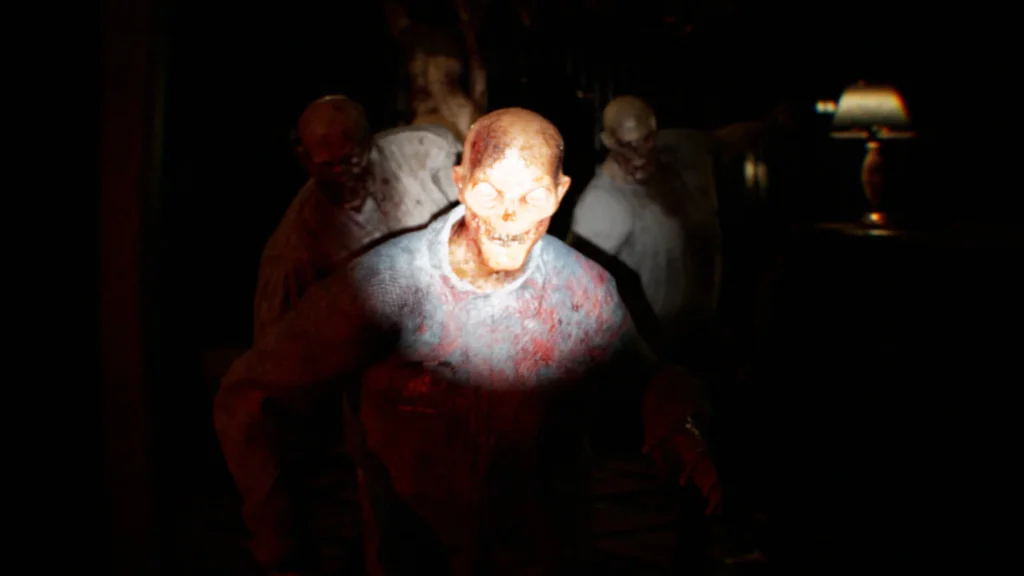
The game also introduces the True Body procedural animation system, relying less on canned animations. Weapon handling changes dynamically based on combat stress, and reloads can become shaky and inconsistent.
The new “Trenches” map pushes combat from indoor spaces into more open, oppressive environments. Trenches, tunnels, forests, destroyed buildings, and open ground all make up this map. In the dim trenches, the bodycam sensor underexposes, and you can barely make out the outline of the gun in your hands. One player described the map as feeling “too much like the Russia-Ukraine battlefield.”
FPV drones and RC scout vehicles add another layer of tactical choice. The drone supports Acro mode and three different modules; the RC car is small and fast, able to scout narrow corridors or drive up to an enemy and detonate.
The Reviews It Got—and What Players Think Now
Bodycam‘s early critical reception wasn’t strong. Metacritic still lists very few reviews—IGN gave it 50/100, GamingBolt 60/100, and Game8 70/100.
Player reviews are more polarized. As of this writing, Steam’s overall rating is “Mostly Positive,” with around 79% positive; the last 30 days have improved to roughly 85% positive. Praise centers on immersion and realism, while criticism focuses on optimization issues, cheaters, and “not enough content.”
Steam still lists Simplified Chinese as a supported interface language, but after the v0.8 update, some players reported that the in-game language settings option disappeared, making the previously available Chinese interface temporarily inaccessible. The Chinese community has released a fan translation patch as a workaround.
What It’s Really Selling, and What It Really Makes You Feel
What makes Bodycam special is the conflict it creates—a conflict you don’t want to experience but can’t help wanting to try.
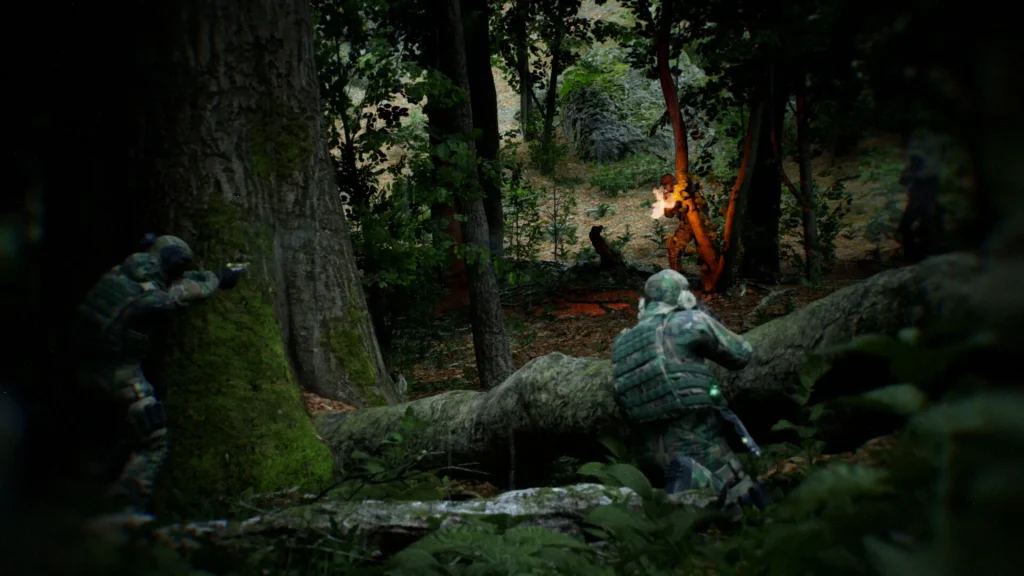
You open it because you want to see what a bodycam-perspective FPS actually looks like. You keep playing because it genuinely makes you feel something—not excitement, not victory, but a kind of helplessness of being trapped inside a body.
Your gun is shaking, your hands are slipping, your vision is swaying, you can’t see the enemy clearly, and you don’t even know how many bullets you have left. This isn’t a game that makes you feel powerful. It’s a game that makes you feel fragile.
The 2026 update made it “more fun”—more guns, more attachments, more modes. But its core experience hasn’t changed: you are always the person behind the bodycam, and the bodycam won’t aim for you or keep you alive.
If your idea of a “tactical FPS” is holding angles, flicking shots, and pure reaction time, Bodycam might confuse you. But if you’re curious what a shooter becomes when the camera is strapped to your chest, it’s worth seeing for yourself.
Copyright Notice: All game screenshots, character images, and related assets used in this article are the property of Reissad Studio and their respective rights holders. This article is intended solely for informational, review, and commentary purposes.
Comments (0)
No comments yet