
Crimson Desert — A Story of Ambition, Polish, and an Uphill Battle

In the early hours of March 20, 2026, Pearl Abyss’s open-world action-adventure epic Crimson Desert launched worldwide on PS5, Xbox Series X|S, PC (Steam / Epic), and macOS. On day one, Steam concurrent players quickly surpassed 200,000, peaking at 239,000. It later topped Steam’s global weekly sales chart, while first-day global sales exceeded 2 million copies.
But in stark contrast to that commercial success, player reception plummeted. By the afternoon of launch day, Steam’s overall positive rating had dropped to just around 57%, with Simplified Chinese reviews falling to 31%—earning a “Mixed” rating.
This is a game of enormous ambition and staggering scope that, at launch, was nearly crushed under its own weight. And its subsequent journey of recovery became one of the most noteworthy stories in gaming in 2026.
A “Patchwork” Open World and Its Cost
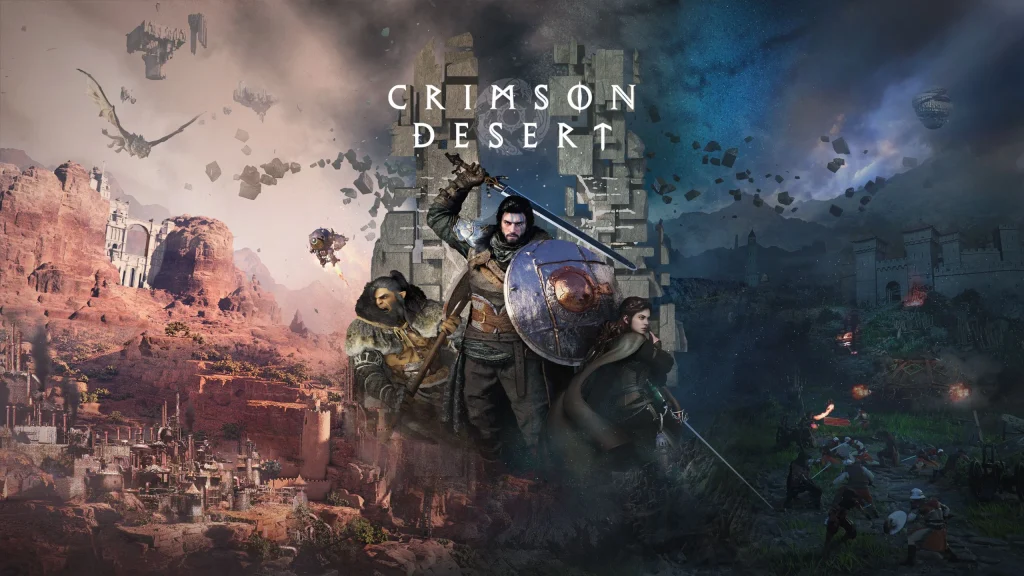
Crimson Desert takes place on the continent of Pywel. The protagonist, Kliff, leads a mercenary group called the Greymanes, who are devastated in a surprise night attack by their sworn enemies, the Black Bears. With the group shattered, Kliff sets out to reunite his scattered companions and reclaim what was lost.
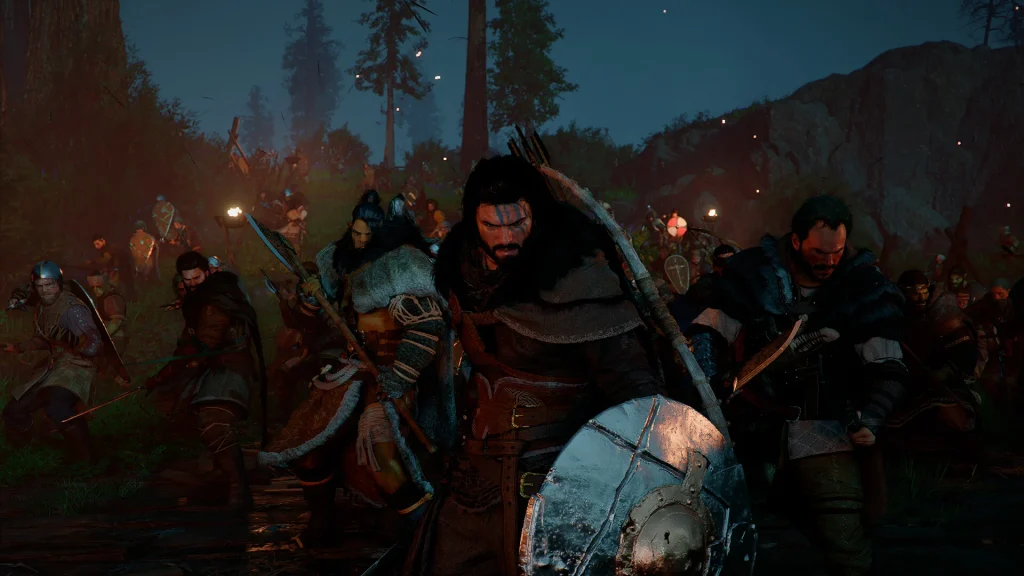
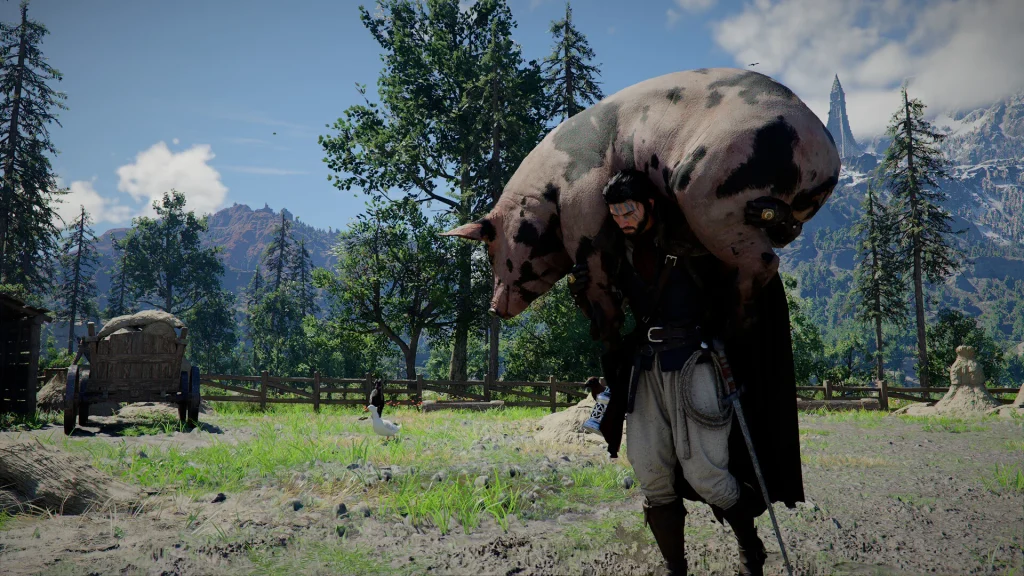
Pearl Abyss tried to do far too much on this continent. It attempted to weave the exploration of The Witcher 3, the immersive pacing of Red Dead Redemption 2, the puzzle-solving freedom of Tears of the Kingdom, and the dynamic world-building of Skyrim into a single open world. Players can fish, gamble, build settlements, hunt beasts, tame animals, manage resources, and dispatch teams for profit. NPCs follow daily routines—working by day, resting at night, even traveling between towns.
Technically, Pearl Abyss’s in-house BlackSpace Engine supports the game’s large-scale seamless world. Even when flying at high altitude, players can see vast stretches of the Pywel landscape without relying on traditional zone transitions. The scale, draw distance, and atmosphere of this world are among the most consistently praised aspects across multiple reviews.
But that’s exactly where the problems begin. As IGN China’s review put it, this is a “content-rich” but “patchwork” experience. The main story alone takes dozens of hours—some players need 80+ hours just to finish it—and with side quests, exploration, and collectibles, playtime balloons even further. But the level of polish varies wildly, resulting in a “jack of all trades, master of none” situation.
Stealth sections feel undercooked, puzzle design lacks guidance, and many puzzles feel more like trial-and-error than logical deduction. Boss fights adopt Soulslike multi-phase mechanics that clash with the overall lighter action combat style—that’s this article’s analysis, though reviews frequently note the bosses lean heavily toward Soulslike design. The story pacing is extremely slow: the group is nearly wiped out in the opening, yet the protagonist almost immediately shifts into mundane errands in alleyways, making the main quest feel strangely distant from the urgency of the opening.
Combat: Too Many Weapons, Too Many Moves—Feature or Burden?
In combat design, Crimson Desert‘s ambition is equally striking. Kliff can use swords, shields, spears, dual blades, and more, plus professional wrestling moves like suplexes, flying kicks, and body presses. He can even use grab skills to yank mounted enemies off their horses and commandeer their mounts to charge into enemy ranks. The game features a move-stealing system similar to Final Fantasy‘s Blue Magic—players can observe and “steal” enemy techniques mid-combat.
Elemental magic adds even more possibilities: using wind magic to launch yourself into the air and combining falling momentum for a devastating dropkick; rolling mid-draw while aiming a bow to trigger slow motion for a headshot. Players can even ride dragons to breathe fire and destroy watchtowers, or pilot giant robots for suppressive fire.
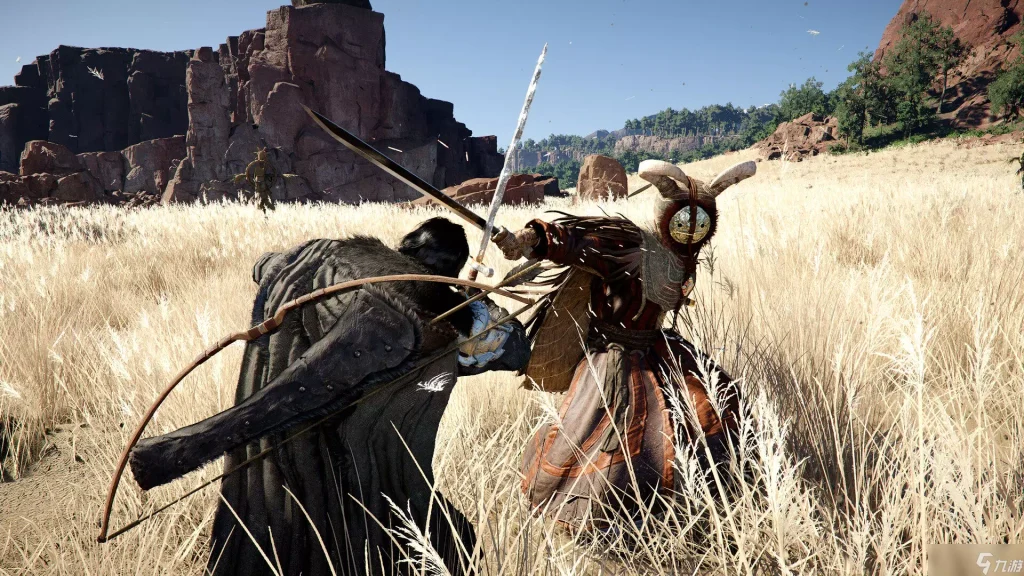
But the abundance of weapons and moves leads to a counterintuitive consequence: some battles drag on through sheer enemy numbers, and by the mid-to-late game, combat can devolve into a Musou-style crowd-clearing spectacle. The character progression curve doesn’t match enemy difficulty scaling well, and players often find themselves overwhelmed by sheer quantity. IGN Japan’s hands-on experience captures this contradiction perfectly: the opening pace is extremely slow, yet the combat design is genuinely thoughtful—summarizing Crimson Desert‘s two-sided combat system: it has depth and ideas, but those ideas aren’t fully realized in actual level design.
Launch Disaster: Optimization, Controls, and Bugs—A Three-Way Collapse
If the design problems stem from “too much ambition,” the technical state at launch was a “failure of the basics.”
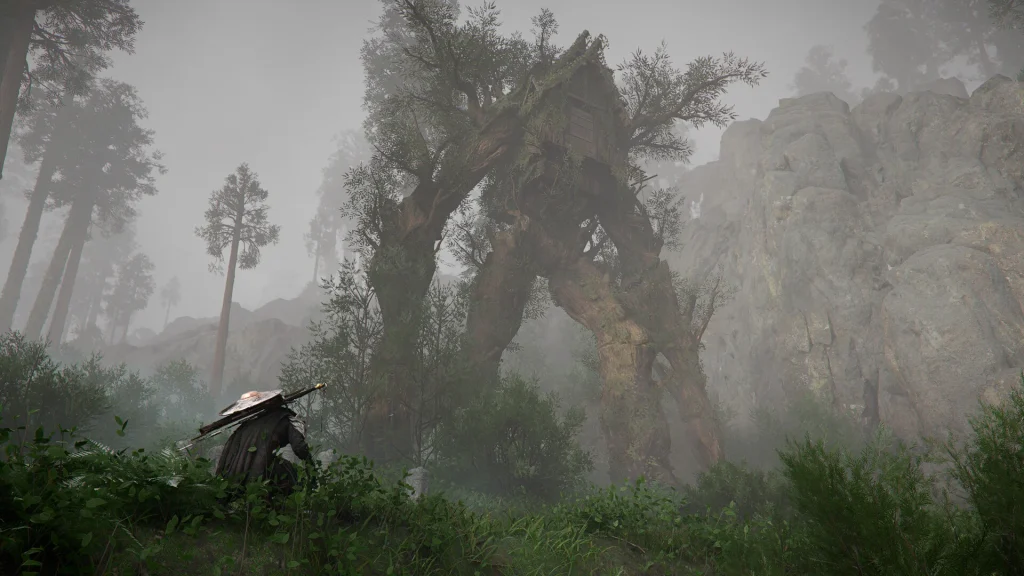
On day one, players reported severe optimization issues, frequent crashes, save corruption, and quest-breaking bugs. The game didn’t support Intel Arc GPUs at launch, and the developer even advised affected users to request refunds. Pearl Abyss later worked with Intel on compatibility and optimization, and the issues gradually improved through subsequent drivers and game updates.
The control scheme drew heavy criticism: the game binds “talk” and “jump” to the same button, causing constant input conflicts. Menus are cumbersome, and camera and control design were widely criticized by players.
IGN gave a “provisional” 6/10 at the time. The reviewer had played 110 hours and still hadn’t finished the main story, so no final score was issued yet. IGN’s main criticisms focused on bugs, save issues, controls, and the pacing of combat and story. IGN noted that Crimson Desert tries to blend elements from multiple acclaimed titles but ends up feeling like “a jack of all trades, master of none.”
Recovery: Did It Really Climb Out of the Launch Disaster?
But the story doesn’t end at the launch disaster.
Pearl Abyss responded rapidly to player feedback, and continuous updates became a major part of the recovery. Within days of launch, the developer pushed multiple patches targeting the most common complaints: key binding conflicts, control responsiveness, UI, and storage systems. After patch 1.00.03, Steam ratings at the time recovered to around 70%, with the rating shifting back to “Mostly Positive.”
The patches addressed storage boxes, control responsiveness, UI interactions, and other frequently reported issues. Many players began acknowledging the developer’s responsiveness to feedback—a rare sight for a AAA title that suffered such a severe trust crisis at launch.
As reception improved, sales continued to grow. First-day global sales hit 2 million, reaching 5 million within a month, and ultimately surpassing 6 million copies by day 83—setting the record for the fastest-selling Korean console game in history.
In the early hours of August 26, 2026, Pearl Abyss officially released Crimson Desert Enhanced, free for all existing owners across all platforms. The update includes new story content and cutscenes, new skills and skill system improvements, expanded voice and language support, and all updates and optimizations since launch. This is more than routine post-launch support—it’s a large-scale supplement to the original experience.
Buying Advice: Technical Issues Are Fixed—But What About the Game Itself?
As of this writing, Steam English user reviews have reached “Very Positive,” but Simplified Chinese reviews remain “Mixed” with around 60% positive. From August 25 to September 9, 2026, the game held its first cross-platform discount event, with the Steam standard edition discounted to $29.99 and the Deluxe Edition to $36.99.
If you’re a player who enjoys roaming freely through a massive world and doesn’t mind rough edges—Crimson Desert offers far more than most open-world games. The visual presentation of Pywel, the density of its world-building, and the unexpected interactive possibilities are genuinely rare at this scale.
If you have high standards for controls, system polish, and narrative pacing—be prepared. Even after extensive patching, some of the game’s underlying design choices—particularly puzzle guidance, boss balance, and certain narrative pacing elements—remain divisive. This is why it still struggles to fully shake off controversy: some issues stem from quest design, narrative structure, and campaign pacing, and simply fixing bugs or adjusting controls won’t solve them.
If you have faith in Pearl Abyss’s ongoing support—the Enhanced Edition’s release and free upgrade policy at least demonstrate that Pearl Abyss is still investing in this title. Many of the technical issues from launch have been addressed through subsequent updates, and the Enhanced Edition is the latest version. If you’re willing to accept an open-world game with clear design trade-offs, the barrier to entry is now much lower than at launch.
Crimson Desert isn’t a game that can be summed up as simply “good” or “bad.” It’s an extremely polarizing title—one that some players may find deeply engrossing, while others may abandon it within the first few hours. What Pearl Abyss’s subsequent updates at least demonstrate is this: a failed launch isn’t the end, but fixing it requires more than patches—it requires commitment and patience.
Copyright Notice: All game screenshots, character images, and related assets used in this article are the property of Pearl Abyss and their respective rights holders. This article is intended solely for game introduction, review, and informational purposes.
Comments (0)
No comments yet