
How to Fish — When Fishing Turns Into a Gunfight With the Fish

On August 20, 2026, a game called How to Fish launched on Steam. Just two days later, the developer announced sales had surpassed one million copies. As of this writing, the game has peaked at more than 370,000 concurrent players on Steam, its Steam rating remains around 95% positive, and it reached No. 2 on Steam’s global weekly sales chart in its first week.
The game was made by Dazed Games, a two-person indie studio from Gothenburg, Sweden. And what it does is essentially one thing: completely ruin the act of fishing, and make everyone love it.
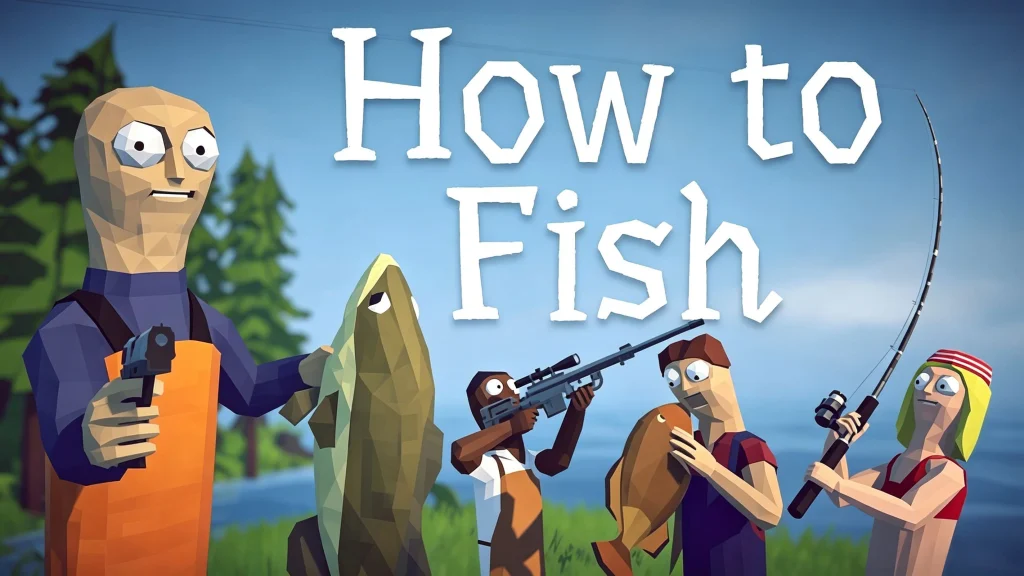
Fishing Is Fake — Fighting the Fish Is the Real Game
If you only read the Steam store description, How to Fish sounds like a serious survival game: “You and your friends are drinking on a boat when you crash into an island. To get home, you have to learn how to fish.”
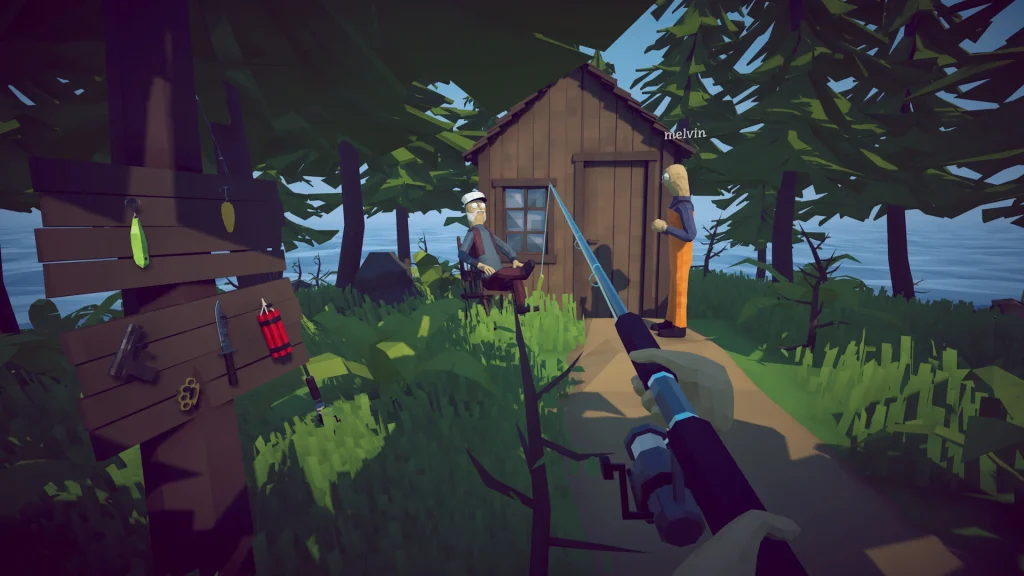
But that’s not what’s actually happening here.
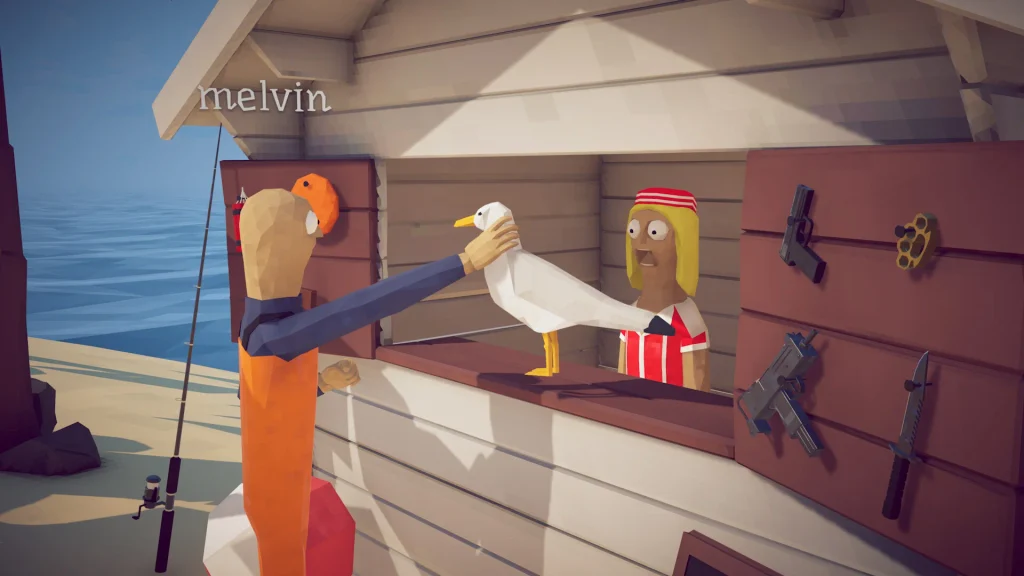
The game does start with fishing. You hook a fish, reel it in, and toss it onto the shore—so far, everything seems normal. But the moment the fish lands, things spiral out of control. The fish doesn’t quietly go into your basket. It thrashes, it runs, and some of them fight back.
So you need a second thing: weapons.
You start with nothing—no money, no gear, just your fists and a basic fishing rod. As you catch fish, sell them, and earn gold, you gradually unlock more weapons: brass knuckles, knives, pistols, shotguns, sniper rifles, even explosives. The fishing rod pulls the prey out of the water; your weapons finish the job; then you haul it to the shop and cash it in.
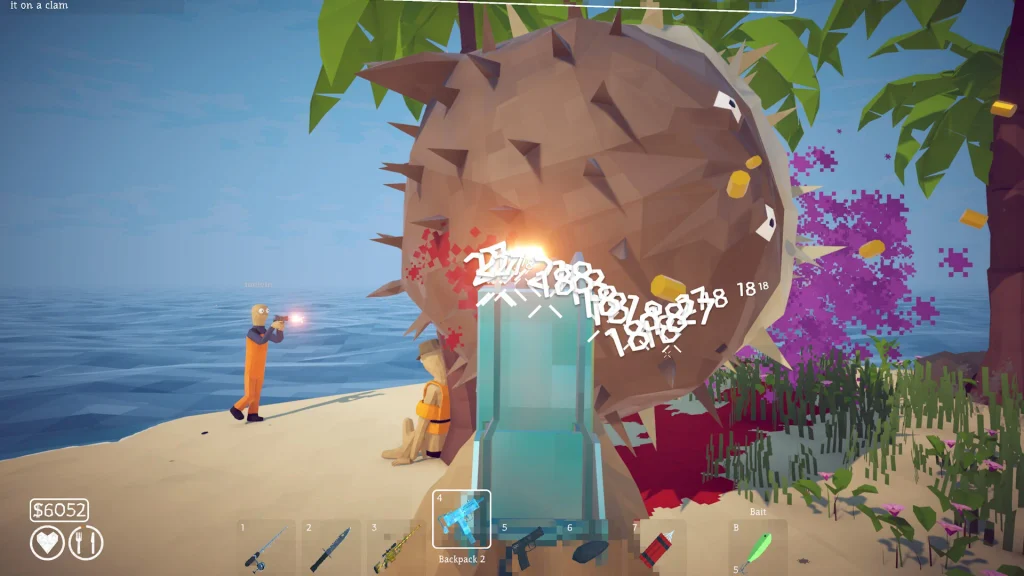
It sounds absurd, but the design logic is crystal clear: fishing is the entry point, killing the fish is the climax, selling it is the payoff, and upgrading your gear is what keeps you going. The overall progression structure is equally clear: earn money, upgrade equipment, complete island objectives, defeat bosses, move to the next island. Each new island brings more dangerous fish, more ridiculous bosses, and more valuable catches.
And the kills themselves come with a scoring system that rewards stylish play. Headshots, mid-air kills, 360-degree spin shots, and kill streaks all give bonus points and multipliers. This naturally pushes players to think about “how do I kill this thing in the coolest way possible” rather than just “how do I kill it faster.”
Why Did It Blow Up?
How to Fish‘s breakout speed is rare for an indie game.
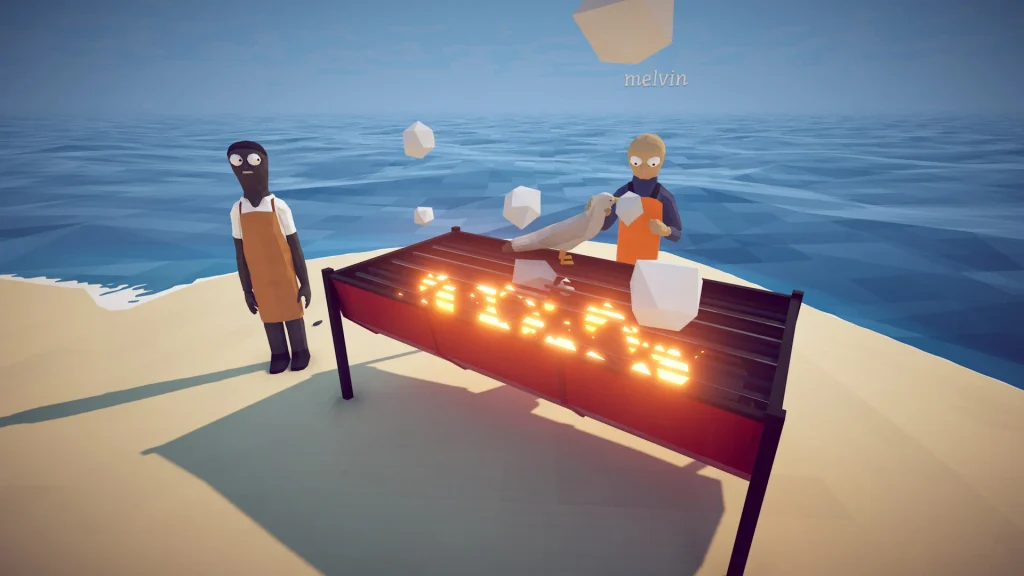
During its breakout week, the game landed near the top of Steam’s global sales chart. A low-poly game with a 5-to-6-hour campaign shot up the bestseller list alongside AAA blockbusters.
There are a few clear reasons why it took off.
First, it’s absurd enough to be fascinating, but incredibly easy to pick up. There’s no complex tutorial. Within minutes, players understand the full loop: fish, kill, sell, upgrade. You don’t need to learn systems, you don’t need to follow a story. You click, you laugh, and before you know it, you’re playing with friends.
Second, it’s naturally built for streaming and short-form video. “Headshotting a fish with a sniper rifle” is inherently shareable. The game’s scoring system encourages players and streamers alike to create those “highlight reel” moments.
Third, the co-op is its biggest strength. The game supports 1–4 players in online co-op, later expanded to up to 8 players. In multiplayer, you can coordinate with friends or just sabotage each other. Players have described teammates getting in each other’s way, hooks snagging on a friend’s belt, or someone chasing a fish with a chainsaw only to slide into the ocean—those “friendship-ending” moments are exactly where the game’s core fun lives.
The Problems Are Also Obvious
Steam currently sits at around 95% positive reviews, but the game isn’t without clear weaknesses.
The most common criticism is balance and game depth. Some players note that the gameplay design is genuinely fun—each island has its own look, its own residents, and a wide variety of fish that keep things fresh—but “the biggest problem may lie in the game’s balance and progression numbers.” Player feedback frequently mentions bugs, balance issues, and limited depth.
The single-player experience is a clear weak spot. One review put it bluntly: “Playing solo is actually kind of boring.” The gameplay only reaches its full charm in multiplayer. Alone, those “friendship-ending” designs just become tedious.
Short campaign length is another recurring complaint. The main story runs about 4–6 hours, which isn’t fatal for a party game, but if you’re looking for a game with enough content to keep you playing long-term, you might want to wait for future updates. The developer has already stated that content updates are in the works.
Its Real Problem Might Not Be “Not Enough Content”
How to Fish‘s problem isn’t that the gameplay is shallow—it’s that the best laughs get used up quickly.
It’s perfect for “a weekend with friends,” but not necessarily for “playing for three months straight.” SteamDB’s historical peak hit 374,000 concurrent players, and by mid-September, that number had dropped to the tens of thousands. This isn’t necessarily a negative sign—it fits the pattern often seen with viral party indies: a huge launch spike followed by a sharp decline, with long-term retention depending heavily on post-launch content.
So what it really needs might not be more islands or more guns, but rather finding ways to make “fighting the fish” still produce new laughs after dozens of hours. The development team has already started preparing for future content updates, but whether those updates can genuinely extend the game’s lifespan remains to be seen.
Is It Worth Buying?
How to Fish launched at $7.99 on Steam, with a launch discount bringing it down to around $4.95. For a game that delivers hours of hilarious multiplayer fun, that’s excellent value.
If you have a group of friends willing to play together—it’s almost a no-brainer. The fun isn’t in grinding through the solo campaign; it’s in creating those “how does this game even exist” moments with friends. A few dollars for a weekend of laughter is a great deal.
If you’re mainly planning to play solo—adjust your expectations. The loop gets old fast when you’re alone, and the “friendship-ending” designs just feel tedious without teammates.
If you care about balance and long-term content—wait and see. The developer has promised ongoing updates, so it’s worth seeing how future content and balance changes affect the game’s longevity.
Copyright Notice: All game screenshots, character images, and related assets used in this article are the property of Dazed Games and their respective rights holders. This article is intended solely for game introduction, review, and informational purposes.
Comments (0)
No comments yet