
Demon Slayer: The Hinokami Chronicles 2 — It Knows Exactly What It Is, and Does It Better

On August 1, 2025, Demon Slayer: The Hinokami Chronicles 2 launched first in Japan on PS5, PS4, Nintendo Switch, Xbox Series X|S, and Xbox One. Steam Digital Deluxe owners could also start playing the same day. The Western console release followed on August 5, with the Steam standard edition arriving on August 6.
The original Hinokami Chronicles sold over 4 million copies worldwide, proving the Demon Slayer IP’s pull in gaming. But its problems were clear: too few versus characters, a limited story mode, and sluggish exploration. The sequel didn’t need to reinvent the wheel—it needed to take a proven framework and make everything more complete.
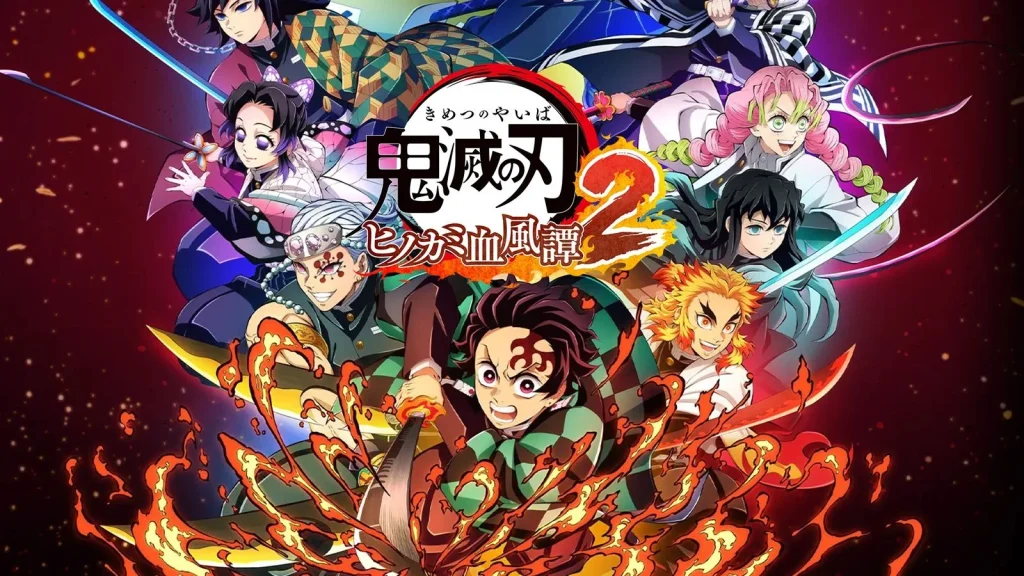
And it did. The smartest thing this sequel does is recognize that it’s a Demon Slayer fan’s fighting game, and stop pretending to be anything else.
Story Mode: Three Arcs, a Tighter Experience
The story mode covers three arcs from the anime: the Entertainment District Arc, the Swordsmith Village Arc, and the Hashira Training Arc. It also includes a “Path of the Demon Slayer” mode that revisits the previous game’s story from the Unwavering Resolve Arc through the Mugen Train Arc, presented as condensed battles.
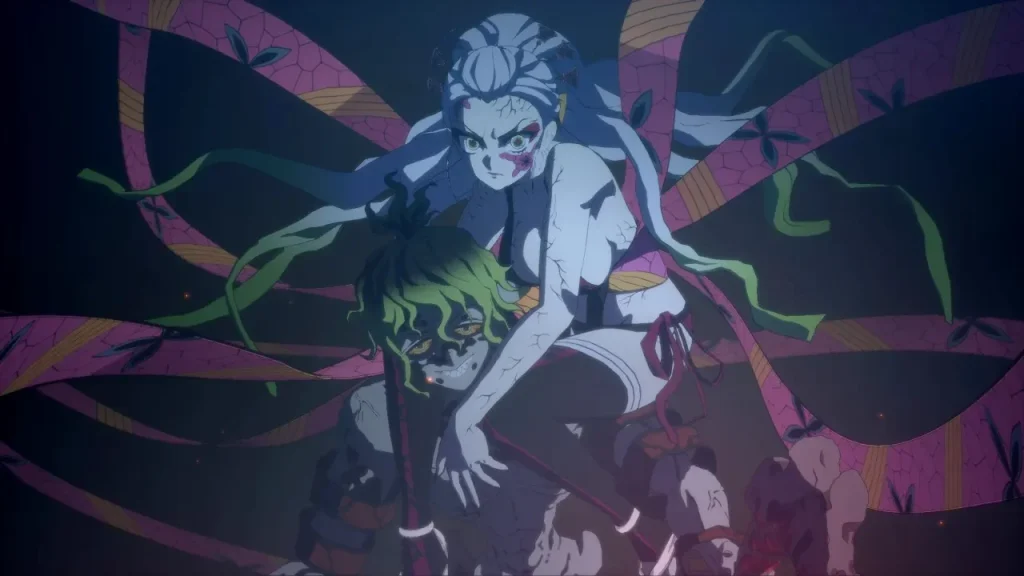
Like the original, the core experience remains “playing out iconic anime moments yourself.” Tanjiro and Nezuko’s joint battle against Daki and Gyutaro in the Entertainment District, the fights against Gyokko and Hantengu in the Swordsmith Village—these are among the most popular battles in the source material. For players who’ve watched the anime, these sequences still deliver strong emotional payoff.
But one change is worth noting. The original’s story mode was criticized for dragging during exploration segments, and the sequel clearly tightens things up. Movement is more fluid, with running, jumping, and climbing all improved over the previous game. Exploration now includes side quests and more collectibles. That said, these improvements are more about smoothing out the flow than fundamentally restructuring the story mode.
The story mode’s length remains a point of contention. The three arcs take around 10 hours to complete, which isn’t particularly generous for players mainly here for the single-player narrative. And “Path of the Demon Slayer” is just a handful of battles recapping the previous game’s story—more of a quick refresher than a full replay. If you’re looking for the complete Demon Slayer story, what this game offers is still a curated selection rather than the full picture.
Versus Mode: All Nine Hashira Join the Fight
If the story mode is the fan-service package, the versus mode is the real backbone of the game.
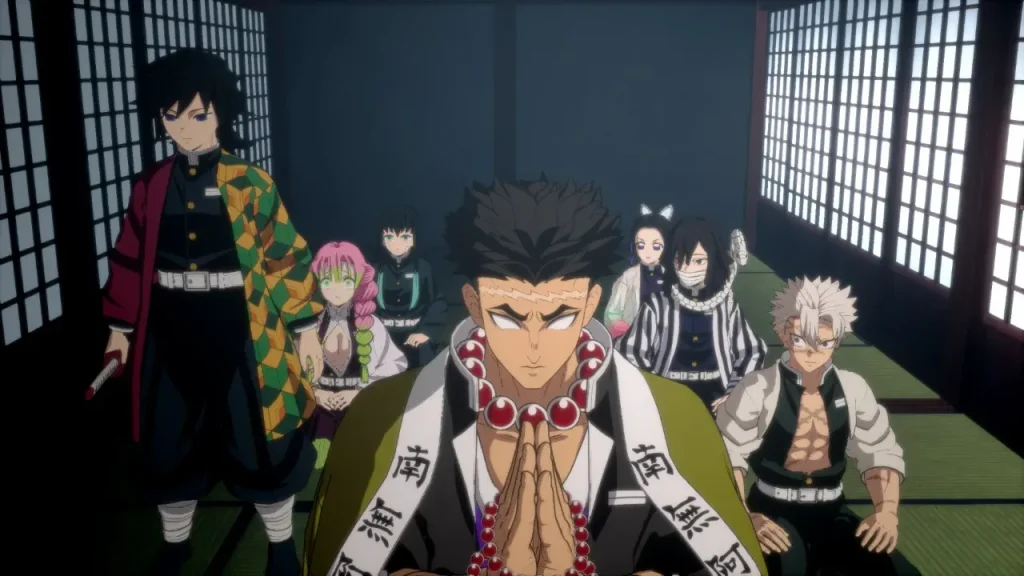
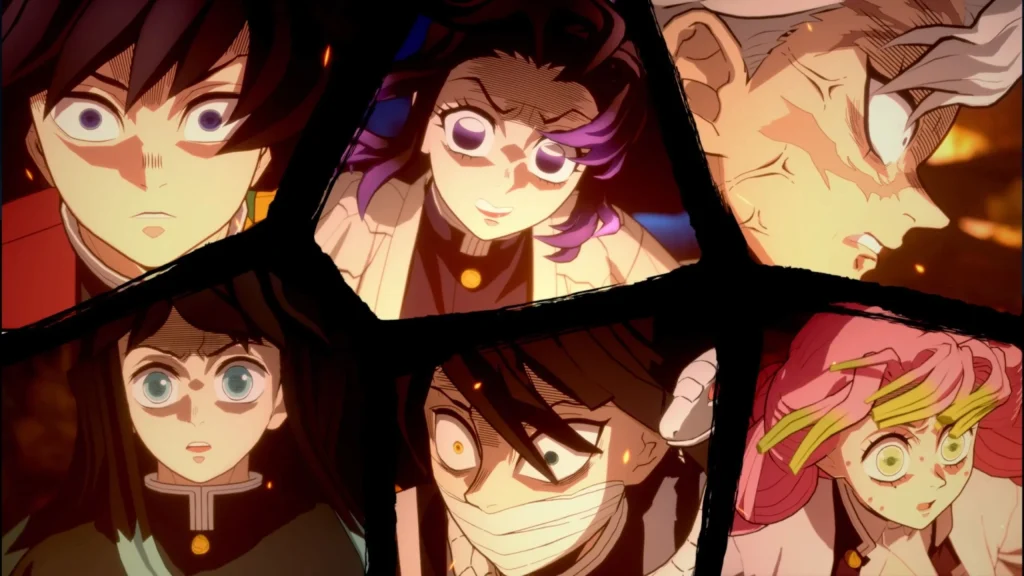
The original launched with around 18 characters. This sequel expands significantly. The most visible change: all nine Hashira are now playable—Giyu Tomioka (Water), Kyojuro Rengoku (Flame), Tengen Uzui (Sound), Muichiro Tokito (Mist), Shinobu Kocho (Insect), Mitsuri Kanroji (Love), Obanai Iguro (Serpent), Sanemi Shinazugawa (Wind), and Gyomei Himejima (Stone). On top of that, Upper Rank demons like Gyokko and Zohakuten join the roster, plus the original 18 characters and post-launch additions from free updates and the Entertainment District DLC. At launch, the roster exceeded 40 playable characters.
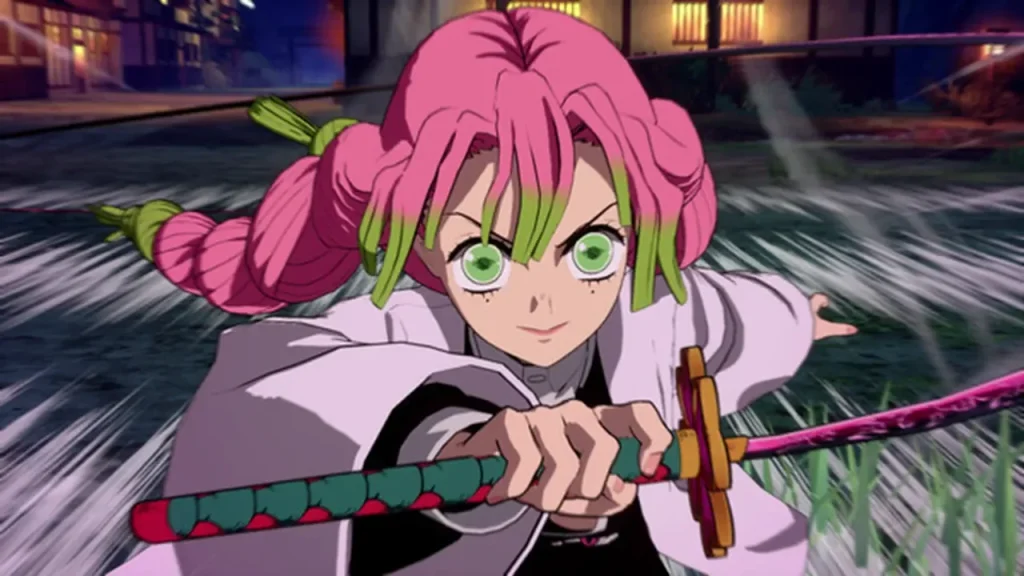
Character differentiation is another highlight. Muichiro’s Mist Breathing centers on speed and evasion, while Mitsuri’s Love Breathing leans toward wide, aggressive strikes. The differences between characters are tangible—not just the same moveset with a new skin.
The sequel also adds two new systems: Dual Ultimates and Gear. Dual Ultimates let specific character pairings trigger unique joint attacks. Gear is an equippable combat enhancement system offering attack boosts, mid-battle healing, and other effects. Players can earn Gear through exploration and side quests, or purchase it in shops, then mix and match based on combat needs. IGN was lukewarm on the Gear system, saying it “failed to surprise me.” That criticism holds up: Gear feels more like a nice bonus than a mechanic that changes how combat works.
Overall, though, the versus experience is a noticeable step up from the original. The roster depth, the attention to detail in individual moves, and the spectacle upgrades from Dual Ultimates keep this game among the more polished and faithful options in the licensed fighting game space.
Training Paths: An Unexpected Highlight
The new “Training Paths” mode uses a roguelike-style route progression. Players choose a Hashira as their target, advance through a board-like path, encounter battles and various effects and rewards, and eventually challenge the Hashira waiting at the end.
IGN specifically highlighted this mode, calling it one of the game’s “clever (if subtle) gameplay adjustments.” For a game whose core selling point is recreating anime battles, adding a roguelike mode with replay value directly addresses the original’s problem of having little to do after finishing the story.
The depth here is limited—it can’t compete with dedicated roguelikes. But it offers a third rhythm distinct from versus and story modes: shorter, more randomized, and better suited for “I want to play a bit without committing to a full match.”
Critical Reception: Good, Not Surprising
Critical reception leans positive but doesn’t reach “exceptional.”
Metacritic sits at 76, with IGN giving it a 7 and GameRant an 8. IGN’s summary is accurate: “a good arena fighter that’s a notable improvement over its predecessor, but not a sea change.”
IGN France gave it a 90, saying the sequel “builds on the original and elevates every aspect.” IGN’s main review was more critical, pointing to the underwhelming Gear system, teaching tools that could be better, and the lack of content in “Path of the Demon Slayer.”
This split reflects a simple fact: how much you get out of this game depends largely on how invested you are in the Demon Slayer IP. For fans, all nine Hashira, Dual Ultimates, and three story arcs are enough to justify the purchase. For non-fans who just want a fighting game, it remains a solid but not groundbreaking licensed title.
Player Reception: Praise for Faithfulness, Criticism for Depth
Steam reviews sit at “Mostly Positive.” As of this writing, English user reviews remain above 80% positive.
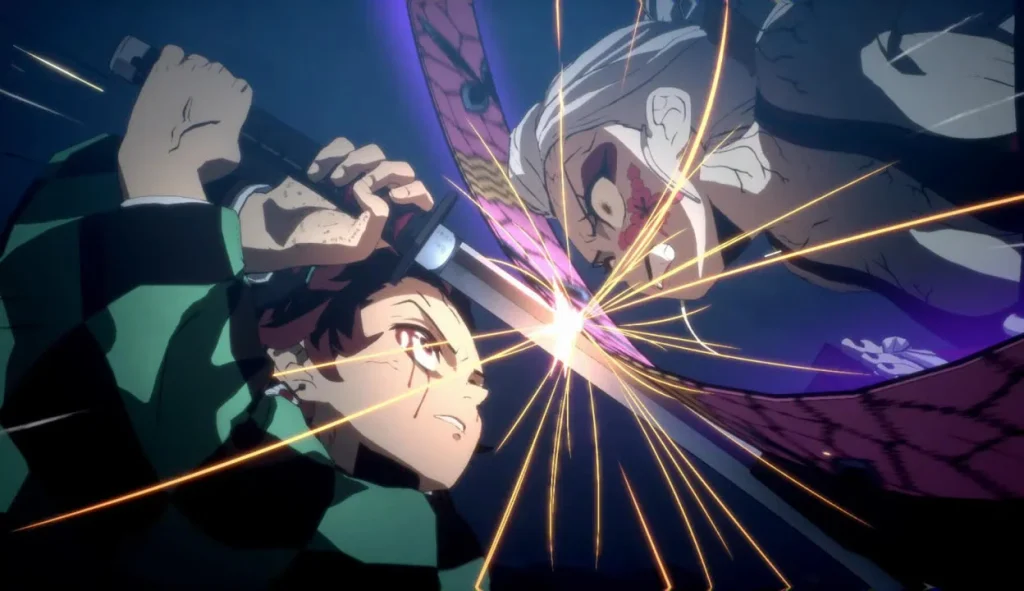
Positive feedback centers on combat animations, visual presentation, story faithfulness, and how well it captures the atmosphere of the source material. Some players call it “one of the better licensed games in recent years.”
Criticism focuses on combat depth, online experience, and optimization issues for some PC players. “Lack of depth” is the most notable complaint. The combat system is beginner-friendly, but for fighting game players looking to dig into combos and competitive play, the depth may not be enough.
DLC Strategy: The Infinity Castle Character Pass
The game uses a “Character Pass” DLC model. The “Infinity Castle Chapter 1 Character Pass” includes seven characters: Tanjiro (Infinity Castle), Zenitsu (Infinity Castle), Giyu (Infinity Castle), Shinobu (Infinity Castle), Doma, Akaza (Infinity Castle), and Kaigaku. The pass costs around $29.99, with individual character packs also available. For players who want to collect all seven post-launch characters, the pass is almost essential. But for those only interested in the base game, it’s not required—the 40-plus character roster already covers most play needs.
Worth noting: a Nintendo Switch 2 version launches on October 29, 2026, alongside a bundle that includes the “Infinity Castle Chapter 1 Character Pass.” That version offers 54 playable characters including additional DLC. If you haven’t picked it up yet and own a Switch 2, that might be the most complete option.
Buying Advice: It Depends on How Invested You Are in Demon Slayer
If you’re a Demon Slayer fan who wants a fighting game that recreates iconic anime moments—it’s worth it. All nine Hashira, Dual Ultimates, and three story arcs make for solid fan-focused content. Its faithfulness and spectacle remain standout qualities among licensed fighting games.
If you’re a fighting game player who values system depth and competitive play—adjust your expectations. The combat is accessible but not deep, and the online experience has latency issues. It’s positioned more as “a Demon Slayer game to play with friends” than a competitive fighter.
If you already own the original and wonder if the sequel is worth upgrading—the answer is yes, but the improvement is “more complete” rather than “revolutionary.” If you were satisfied with the original’s story mode and roster, the sequel’s appeal may be limited. But if you felt the original was “missing something,” the sequel fills in exactly those gaps.
The Steam standard edition is priced around $59.99, with the Deluxe Edition offering early character unlocks, costumes, and system voices—but not the “Infinity Castle Chapter 1 Character Pass.” If you’re a Demon Slayer fan who wants to collect future characters, you can buy the base game and purchase the Character Pass separately. If you just want the base content, the standard edition is enough.
Copyright Notice: All game screenshots, character images, and related assets used in this article are copyrighted by their respective rights holders, including Koyoharu Gotouge/Shueisha, Aniplex, ufotable, and the “Demon Slayer: Kimetsu no Yaiba – The Hinokami Chronicles 2” Production Committee. This article is intended solely for game introduction, review, and informational purposes.
Comments (0)
No comments yet