Naruto Shippuden: Ultimate Ninja Storm 4 — The Series’ Best Combat, and a Somewhat Rushed Farewell
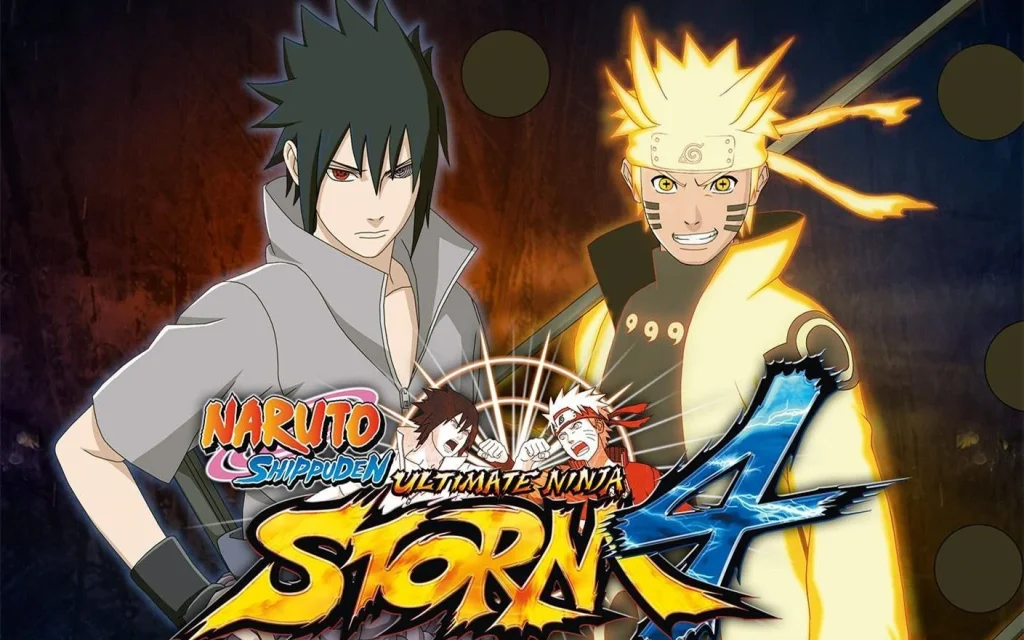
On February 4, 2016, Naruto Shippuden: Ultimate Ninja Storm 4 officially launched. As the fourth mainline entry in the Ultimate Ninja Storm series, it carried a clear mission: to bring Naruto’s story—all the way to the final battle of the Fourth Great Ninja War—to a close.
Developer CyberConnect2 accomplished that. But the way it did so was far more complicated than most fans expected.
Since launch, the game has accumulated over 70,000 user reviews on Steam, with around 90% positive; the Ultimate Ninja Storm series as a whole has surpassed 12 million units sold worldwide, and Bandai Namco has called it one of the top anime and manga adaptation franchises. On the other hand, IGN gave it a 5.5, and Metacritic sits at 79 for PS4 and 80 for Xbox One—on the more conservative end of “generally favorable.”
A game that earns such high praise from players while receiving some notably harsh criticism from certain outlets suggests its core value doesn’t entirely overlap with what traditional game media prioritizes.
Combat: The Series at Its Best
If you look only at the core combat system, Storm 4 is already the most mature entry in the series.
The character swap system reached its peak here. Players can freely switch between a main fighter and two support characters at any time, meaning you can land a combo with Neji, immediately summon Naruto for extra damage, then switch to Hashirama to quickly recover chakra and chain into another ninjutsu. This logic turns “team combat” from simple assist calls into genuine tactical choices—support characters are no longer mere assists, but active parts of your strategy.
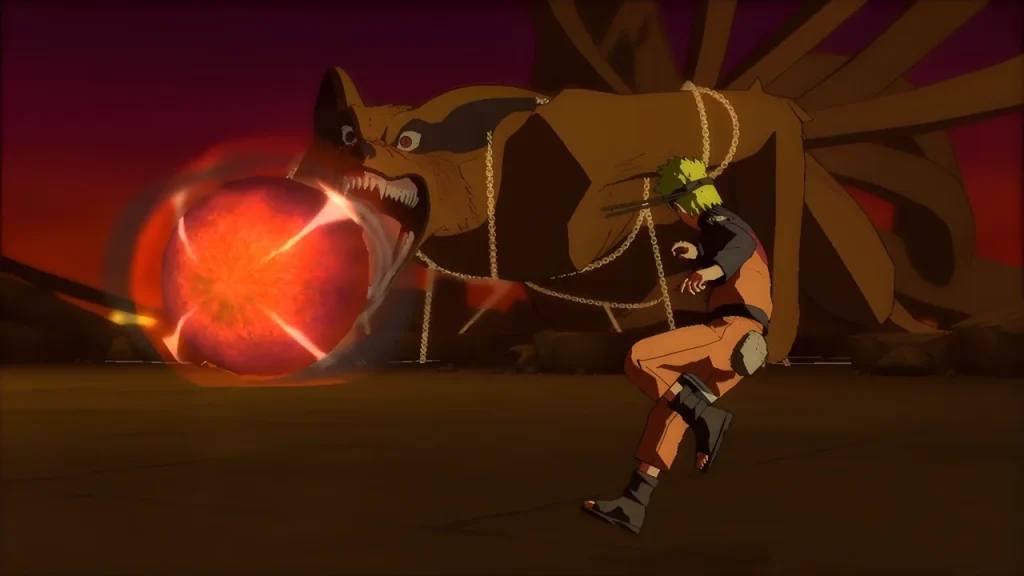
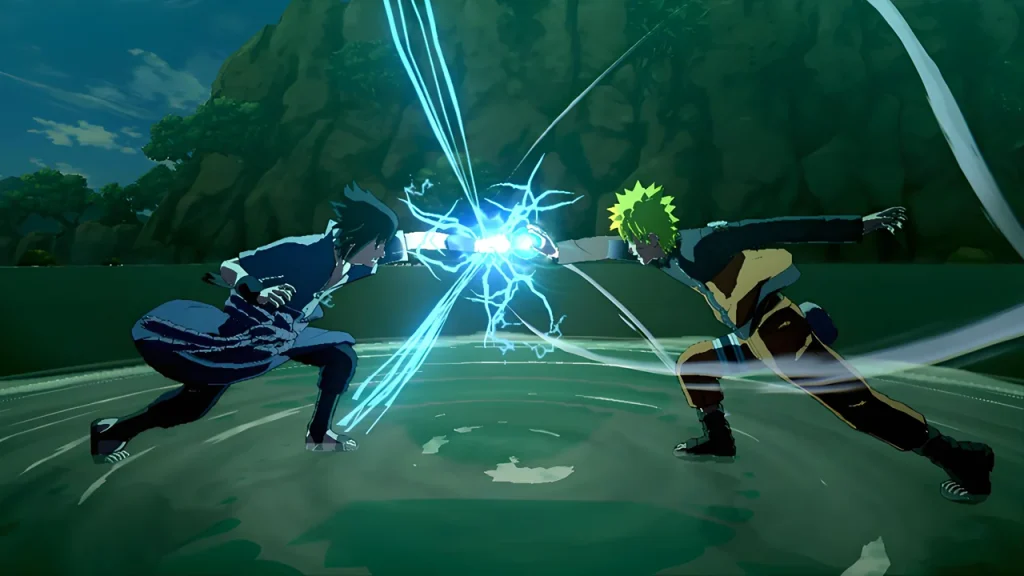
At the same time, in terms of input response, Storm 4 can be called the best-feeling entry in the series. Even while criticizing other aspects, IGN acknowledged that “the controls are the most responsive yet,” and that combat is “fast, intense, and full of cinematic camera angles and powerful ninjutsu spectacle.” For a licensed game whose core selling point is recreating iconic anime moments, that sense of spectacle is its true competitive edge.
The problem, however, is the AI.
IGN pointed out that AI opponents fall into “a loop of constant dodging and ranged attacks,” leading to situations where players “get pelted with kunai before they can even move.” More regrettably, some story mode stages give the computer direct damage boosts, making fights feel “cheap and unfair.” This means the depth of the combat system is half-wasted in single-player—you have a precise tactical toolkit, but the AI isn’t worth using it on.
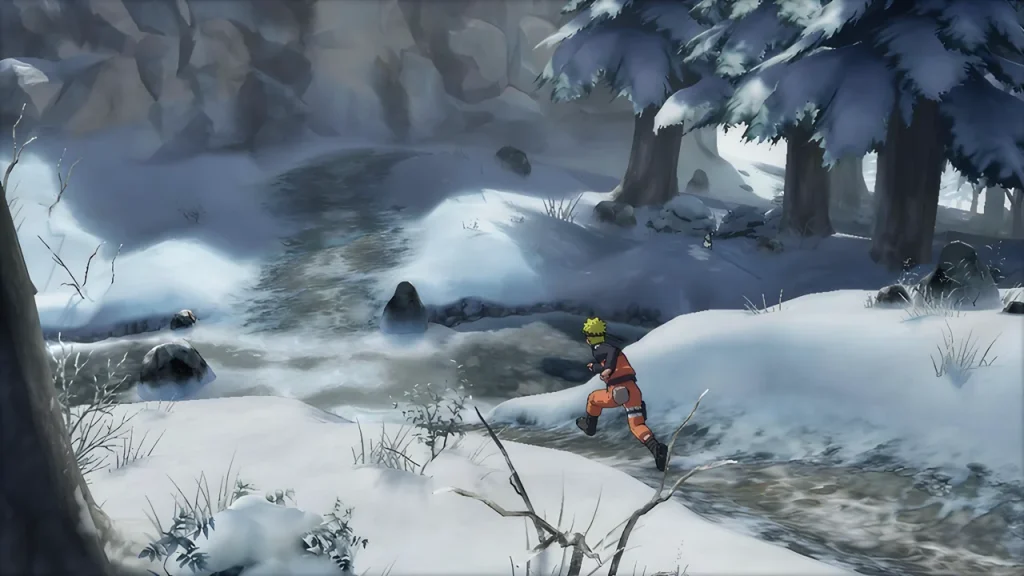
What truly lets the system shine is local two-player versus. The game features 61 distinct playable characters, plus numerous character variants, each with their own ninjutsu and ultimate techniques. Among anime-adapted fighting games, this roster’s richness remains quite impressive. The problem is that the online multiplayer experience isn’t ideal—IGN mentioned connection issues, and Steam community discussions about network and matchmaking quality persist to this day.
Story Mode: A Somewhat Rushed Farewell
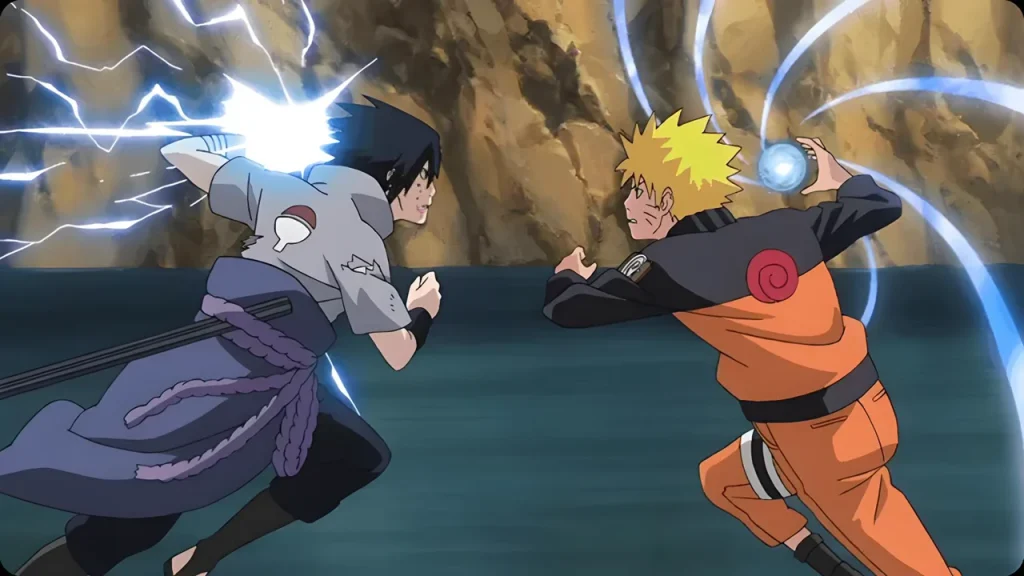
The story mode covers the final phase of the Fourth Great Ninja War, from the reveal of the masked man’s identity all the way to Naruto and Sasuke’s final battle. Logically, it does complete the “series finale” narrative task. Some battles are among the best in the series, especially the final fight—the feeling of “we finally made it here” is the culmination of seven years of attachment to the series. This is also the core experience that many positive Steam reviewers keep mentioning.
But the problem is that CyberConnect2 clearly scaled back the production here.
IGN’s review explicitly noted that just 15 minutes into the story mode, the game begins using static manga-style panels instead of animated cutscenes—”a disappointing presentation choice.” The Ultimate Ninja Storm series has always sold itself on “turning iconic anime moments into playable, interactive cinema,” yet this entry chose a clearly more restrained approach at many key story beats. Only in the latter half does the game switch back to higher-quality in-engine cutscenes, but by then, much of the player’s emotional momentum has already been lost.
Even more regrettable is the campaign length. IGN described the entire story mode as “a brief five to six hours”—for a game marketed as the “series finale,” that’s genuinely short. And due to AI issues and unfair stage design, those five or six hours aren’t always pleasant.
The story mode does leave an “intriguing” cliffhanger at the end, but IGN also noted that the Adventure Mode that follows “feels more like an obligatory excuse” to revisit earlier series events, and is “entirely skippable.”
The “Boruto” DLC: Why the Edition Matters
If you want to play Storm 4 now, you need to face a reality: the base game and the “Boruto” edition offer noticeably different packages.
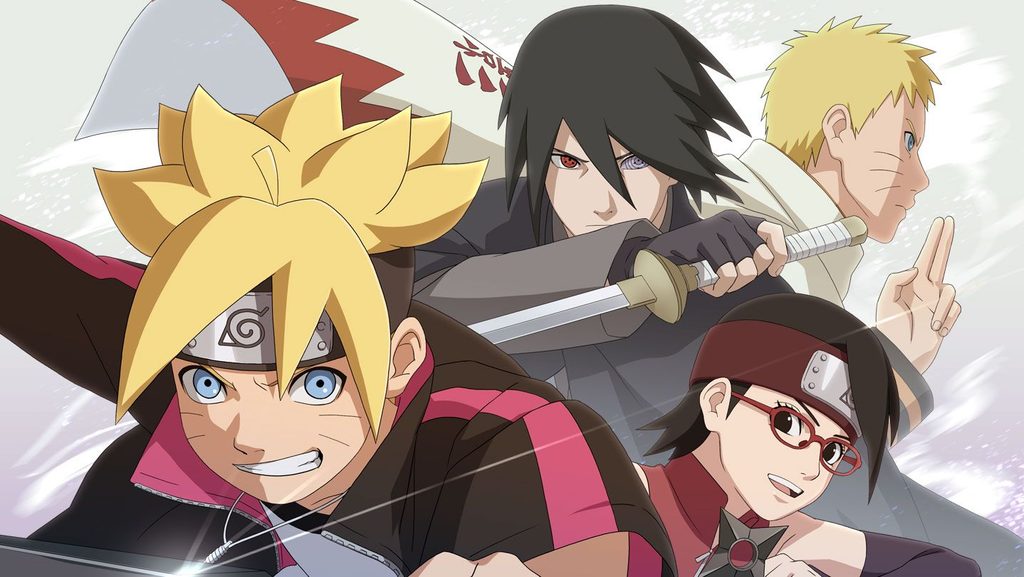
The “ROAD TO BORUTO” expansion launched in 2017, adding a story chapter based on the Boruto: Naruto the Movie film, along with playable characters like Boruto, Sarada, Mitsuki, Seventh Hokage Naruto, Wandering Sasuke, and Mecha Naruto. But Steam community feedback has been direct: the original tens of hours of story are compressed severely, with some players reporting the main campaign lasts only about 1.5 hours, leading to narrative leaps and lost coherence.
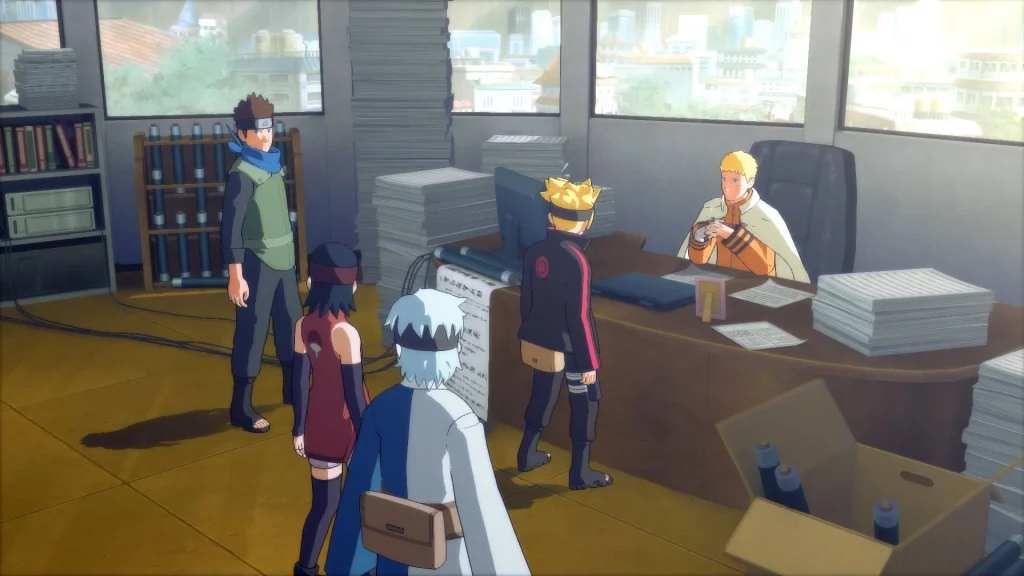
That criticism holds up. The value of the Boruto DLC isn’t in its story—it’s in the new characters and content. If you want to use Momoshiki Otsutsuki, Boruto, Sarada, and other new characters in local versus, this DLC is basically unavoidable. But if you’re only here for the Boruto story, the original anime film is the better choice.
The good news is that the “NARUTO SHIPPUDEN: Ultimate Ninja STORM 4 ROAD TO BORUTO” version currently sold on Steam already includes all DLC content. The Switch version is the same. Buying this version directly is more cost-effective than buying the base game and adding DLC separately.
Is It Still Worth Buying in 2026?
The base game regularly drops to a very low price during Steam sales, while the “Boruto” edition also tends to be heavily discounted. For a fighting game with a rich roster and excellent local versus, that’s outstanding value.
But you need to know what you’re buying.
If you’re a Naruto fan who wants a fighting game that recreates iconic anime moments—it’s worth it. The tactical depth of the swap system and the roster’s richness remain highly competitive in the licensed fighting game space. I’d recommend buying the “Boruto” complete version directly to avoid missing extra characters.
If you’re a fighting game player who values single-player content and AI challenges—adjust your expectations. The AI problems have never been fully addressed since the game’s release, and the story mode is on the short side.
If you just want to relive the Fourth Great Ninja War story—watching the anime might be more efficient than playing the game. The story mode uses a lot of static panels instead of animation at key moments, so the narrative experience isn’t necessarily better than just watching the show.
The game’s long-standing ~90% positive rating on Steam isn’t hard to understand: it genuinely delivers what Naruto fans care about most—characters, ninjutsu spectacle, and combat. Storm 4‘s combat system is the peak of the series, and the swap mechanic and rich roster keep it highly competitive in local versus to this day. Its story mode has its regrets, but those regrets don’t overshadow its strengths in combat, roster, and local multiplayer. For Naruto fans, Storm 4 remains one of the most replayable Naruto fighting games available.
Copyright Notice: All game screenshots, character images, and related assets used in this article are the property of Bandai Namco Entertainment and their respective rights holders. This article is intended solely for game introduction, review, and informational purposes.
Comments (0)
No comments yet