
Digimon Story: Time Stranger – How It Builds on Cyber Sleuth

Release Date: October 2, 2025 (PS5/Xbox Series X|S) | October 3, 2025 (Steam) | July 9, 2026 (NS/NS2)|Developer: Media.Vision|Publisher: Bandai Namco Entertainment|Platforms: PC (Steam), PS5, Xbox Series X|S, Nintendo Switch, Nintendo Switch 2|Genre: JRPG|Price: $59.99 USD (Standard), $79.99 USD (Deluxe) on Steam|Languages: English, Japanese, Simplified Chinese, Traditional Chinese, and more
It’s been over ten years since Digimon Story: Cyber Sleuth launched. Many fans had given up hope on the series ever getting another entry. But against all expectations, the series is finally back.
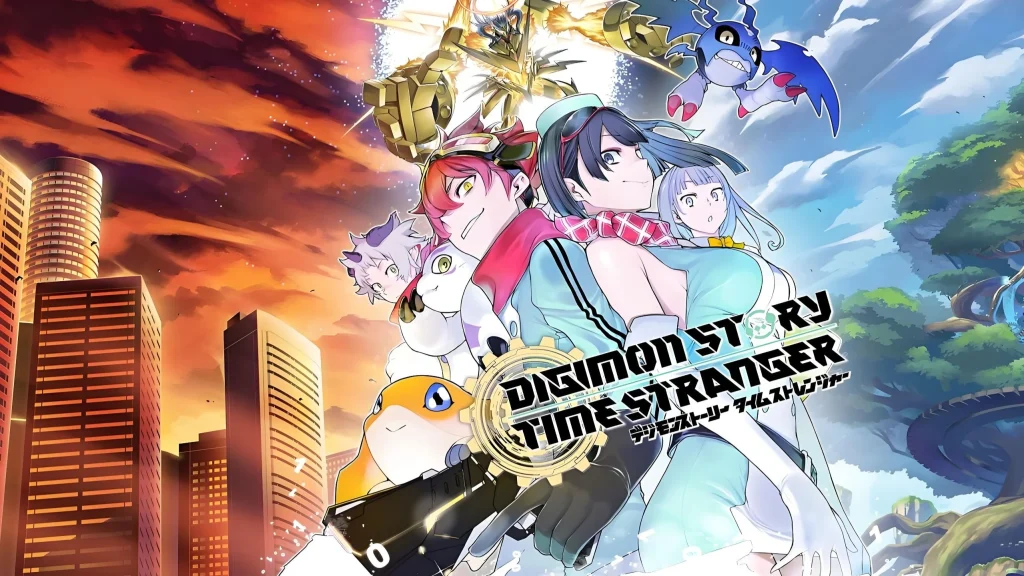
Rather than reinventing the formula, Time Stranger focuses on refining what made Cyber Sleuth popular.
According to official figures, the game has sold over 1 million copies worldwide, making it one of the series’ strongest launches.
The Biggest Improvement: Two Worlds Worth Exploring
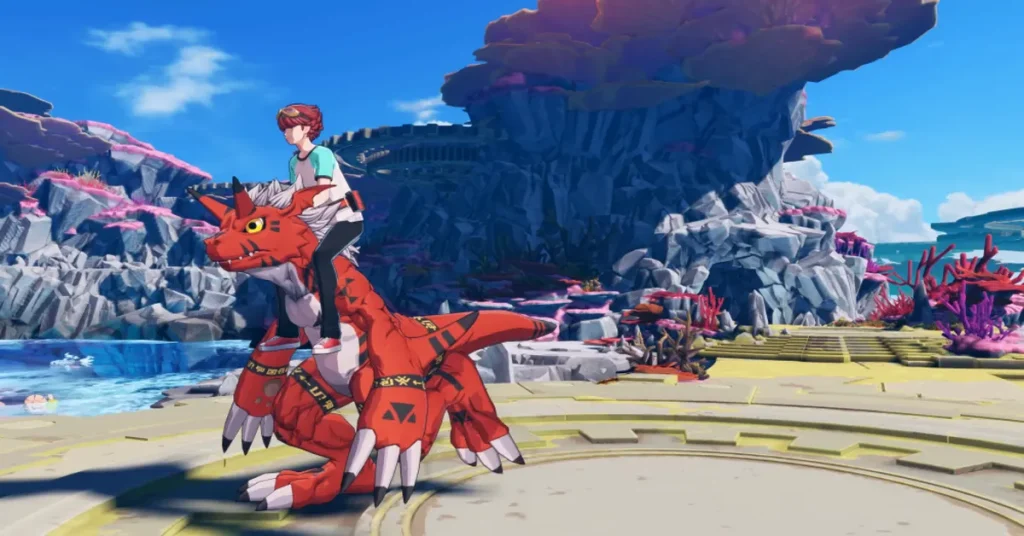
Compared to Cyber Sleuth, Time Stranger is the first entry that actually turns both the Real World and the Digital World into fully explorable areas, rather than just “story transition zones.” The Real World is centered around Shinjuku and Akihabara, with a heavy sci-fi vibe. The Digital World — Iliad — has towns, shops, and settlements where Digimon live, run businesses, and wander around. In Central Town, for instance, you can see Digimon operating stores and roaming the streets, instead of just standing in fixed spots handing out quests like in the previous game. Both sides have their own missions and collectibles, so you’ll need to go back and forth to advance the story.
Story: Character-Driven, Slower-Paced
The narrative carries less of Cyber Sleuth’s mystery-investigation tone and spends more time on character relationships and how the fates of the two worlds intertwine. You play as an agent of a secret organization called “ADAMAS,” who gets caught in a time anomaly during an investigation. Along with your companions, you travel between the Real World and the Digital World to uncover the truth. The overall tone leans more toward traditional JRPG storytelling — the kind where a group of people slowly grow closer and face challenges together.

If you enjoyed Cyber Sleuth’s more mystery-driven approach, this one might feel slower and less tense. If you enjoy character-driven JRPGs, you’ll likely enjoy it.
What’s Actually Changed?
This is the question every returning player wants answered.
Cyber Sleuth’s Digital World felt more like a series of dungeons — finish one, move to the next, each area a self-contained level. Time Stranger finally makes the Digital World feel like an actual place — connected regions, NPCs, side quests. You never feel like you’re just waiting for the next fight.

The evolution system is also significantly more flexible. In the previous game, many evolution-related actions required returning to a hub, and evolution paths had plenty of restrictions. Time Stranger removes most of those restrictions, and de-evolution carries over stats — making it easier to experiment with different builds. If you’re not happy with one evolution path, you can de-evolve and start over without worrying about ruining your Digimon. Experimenting with different evolution paths is much less punishing now.
The visual style has also changed. Cyber Sleuth leaned toward realistic 3D, while Time Stranger uses a mix of 2D hand-drawn illustrations and 3D environments. The cutscenes have a cinematic feel, and the Digimon’s special moves look flashy and polished.
The Battle System Stays Familiar
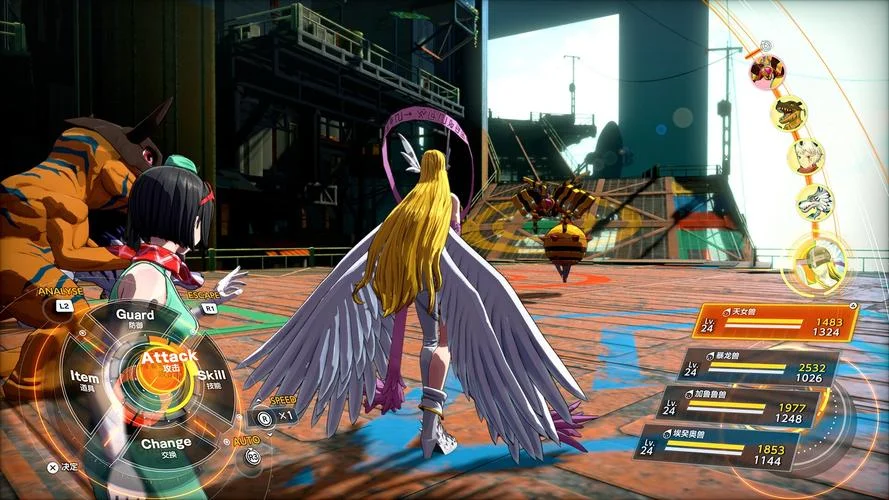
If you played Cyber Sleuth, you won’t need to relearn much. The core is still the familiar Virus–Data–Vaccine attribute triangle and turn-based combat. Battles still reward careful team composition rather than quick reactions, so preparation matters more than reflexes. What really sets it apart is the freedom in progression — many evolution paths were locked down in the previous game, whereas this one gives you much more flexibility in planning your growth, with more room for team composition and build variety.
If you’re completely new to the series, there’s no need to worry — the early game provides guidance, and you can follow along without getting lost.
Final Verdict
At $59.99 on Steam, it’s not cheap, especially compared to other JRPGs. Time Stranger is a monster-raising JRPG that can easily eat up dozens — even over a hundred — hours. If you enjoy raising Digimon, experimenting with evolution paths, and theorycrafting teams, the price isn’t unreasonable. If you’re looking for a short cinematic experience, this isn’t it — you’re in for a long ride.
On the flip side, if you’re coming purely for nostalgia and aren’t a fan of traditional turn-based JRPGs, you might want to wait for a discount. Time Stranger doesn’t chase trends by turning into an action game — it stays true to the Digimon Story series’ strengths in raising and turn-based combat. It won’t satisfy everyone, but if you like building your team, raising your Digimon, and experimenting with evolution paths, this feels like one of the strongest entries in the series.
Copyright Notice:
All game screenshots, character designs, and related materials referenced in this article are the property of Media.Vision, Bandai Namco Entertainment, and their respective rights holders.
Comments (0)
No comments yet