
Needle In A Haystack Simulator — Five Million Pieces of Hay, One Needle, and a Developer Buried by Clones

In August 2026, a gameplay clip shared on X racked up over 50 million views. The content was simple: a person crouching in front of a giant haystack, picking through it one piece at a time. In the comments, some called it ridiculous. Others admitted they watched the whole thing. More than a few said they needed it.
The game is called Needle In A Haystack Simulator, and it was created by Nas Nakarus of Studio Bitdot. As of this writing, the game hasn’t officially launched yet — the Steam page lists a planned release window of Q4 2026. So this analysis is based on the publicly shared gameplay footage and the design logic presented on the official store page, not a full review of the finished game. After the clip went viral, over 23,000 people signed up for playtesting on Steam. Then Nakarus ran into another needle-in-a-haystack problem: finding his own game’s official page on Steam. Because before the original had even launched, clone versions had already flooded the search results.

It Takes “Impossible” Literally
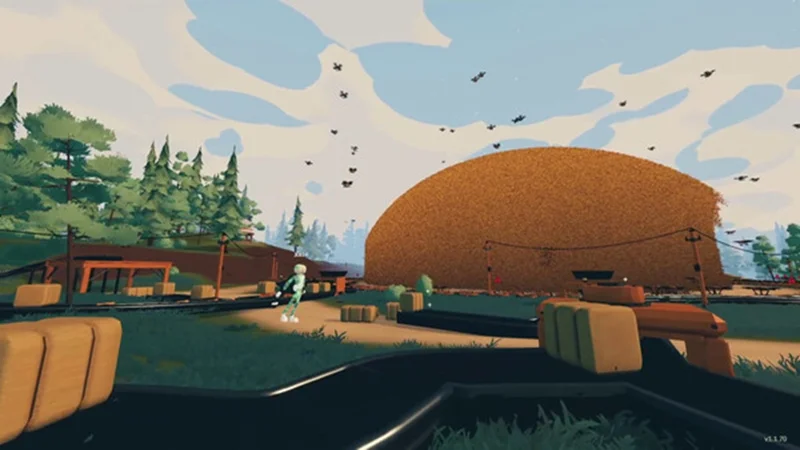
The gameplay can be summed up in one sentence: there’s a haystack with five million pieces of hay, and one needle hidden inside. Find it.
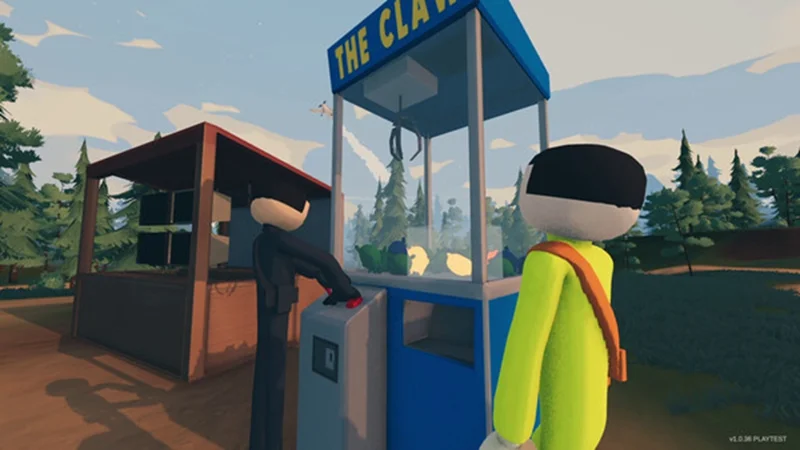
You start with nothing but your hands and the haystack. You can only pick up one piece of hay at a time, search it, toss it, and grab the next. Based on the pacing in the shared footage, moving one piece of hay takes about two seconds. If the needle is at the very bottom and you use no tools or automation, you’d theoretically need to go through all five million pieces. By that estimate, playing non-stop without food or sleep, a full clear would take close to 116 days.
This isn’t a game about “finding.” It’s a game about “searching” itself.
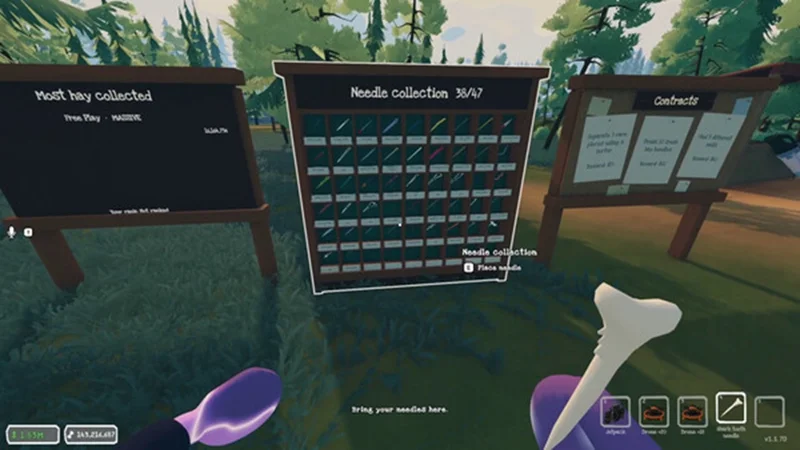
As you sift through the hay, you’ll occasionally turn up something valuable. Sell those items, and you can buy shovels, carts, sifting screens, even automated machines that let you process more hay at once. But the Steam page also gives you an extra option: you can refuse to buy any tools, skip all automation, and go through all five million pieces by hand.
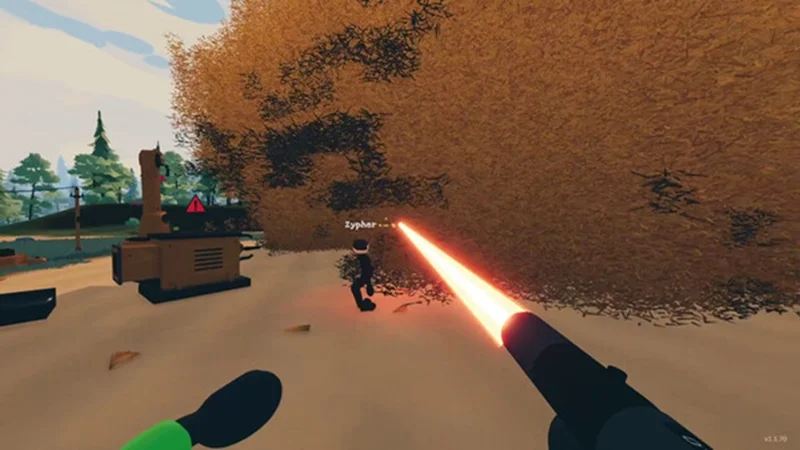
The game supports multiplayer. You and your friends can search together, with more people and more tools. But there’s still only one needle.
When a Meme Becomes a Game, What Does It Actually Test?
The core design question behind Needle In A Haystack Simulator is this: are you making a “simulation game,” or are you making a piece of performance art?
Judging by the Steam page description, the developer himself might be wrestling with that question. On one hand, it offers a full upgrade path — tools, automation, multiplayer efficiency boosts. On the other hand, it lets you completely abandon all of that and experience the “purest” form of needle-in-a-haystack searching. Put those two options together, and the game is really asking you: are you playing to find the needle, or to experience the process of not finding it?
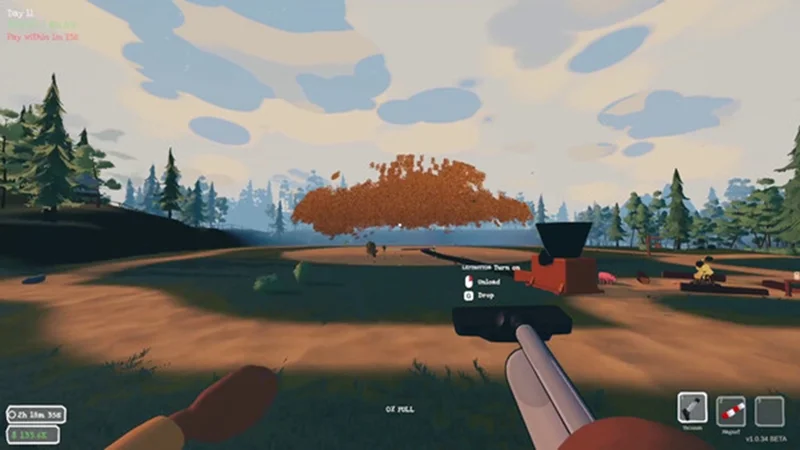
If you choose the former, the game is essentially an incremental game. You sift hay, sell stuff, upgrade tools, sift more hay. The process isn’t fundamentally different from Cookie Clicker or Melvor Idle — except your “click” is now “move a piece of hay.” The core joy of an incremental game is number growth and efficiency gains, and Needle In A Haystack Simulator does provide that system. You do get staged rewards — selling valuable items, buying new tools, improving your search speed. But those rewards ultimately serve a single goal: finding the needle. Until you find it, every upgrade is just accelerating a process with no endpoint feedback. What you gain is efficiency, not proximity to the goal.
If you choose the latter, the game becomes an endurance test. You know it might take over 100 days to find the needle, and you sit down anyway, sifting one piece at a time. It’s a self-imposed test of patience — a deliberate embrace of repetition and monotony, with no guarantee of payoff. Its pleasure isn’t in “beating” the game, but in the act of persisting at something with no clear reward, whether that brings a kind of Zen calm or just stubborn obsession.
That tension between the two experiences is the game’s biggest controversy — and its biggest appeal.
On Steam, There Are More Clones Than the Original — Which Is Itself Very “Needle in a Haystack”
After Needle In A Haystack Simulator went viral on social media, at least eight highly similar copycat titles quickly appeared on Steam. Counting variations with slightly different names, the total exceeds ten. Some of these clones appear to use generative AI for their logos and promotional assets, though exactly which ones used AI hasn’t been confirmed on a case-by-case basis. More notably, some of these copycats were listed on the Steam store before the original was even available.
Developer Nas Nakarus posted a half-joking response on X: “As the dev of the one that went viral, I would like to formally apologise to the Steam storefront.” Some commentators have called it “the Robloxification of Steam.”
This is worth discussing not because it’s anything new — Steam’s clone problem with indie games has existed for years. It’s worth discussing because it happens to be a perfect mirror of the game’s own theme. A game about “searching through a huge pile of junk for the one thing of value” has its official page buried among a pile of clones. To play the real Needle In A Haystack Simulator, you first have to play needle-in-a-haystack on Steam.
The developer has had to repeatedly fight for visibility. The Steam store page now carries the tagline “The viral one. The one and only.” Meanwhile, an official Steam community announcement states plainly: “This page right here is the original game.” That situation carries a certain dark humor, and it reveals a real cross-section of the current indie game ecosystem: on platforms driven by algorithms and traffic, “being seen” is sometimes harder than “being good.”
What It Really Tests Is Your Tolerance for “Meaninglessness”
Needle In A Haystack Simulator isn’t a game for everyone. It might not even be a game for most people.
Its core experience — repetitive, monotonous, lacking immediate feedback that points toward the final goal — is almost the definition of an “anti-game” in traditional game design terms. But it’s precisely that anti-game quality that made it go viral on social media. People shared the clip not because they thought “this game looks fun,” but because they thought “this game is absurd.”
Whether that absurdity translates into actual playtime depends on a very personal question: can you accept spending hours pushing forward on something with no visible end, where every bit of progress may not bring satisfaction proportional to the effort?
If you can, the game might give you a strange sense of satisfaction. As you sift through the hay, your attention shifts from “finding the needle” to the act of sifting itself. The rhythm of picking up a piece of hay, examining it, setting it down, forms a kind of repetitive calm, like fishing or tidying up a room. Multiplayer reinforces this — you and your friends doing something meaningless together starts to make the thing itself meaningful.
If you can’t, the game will bore you within ten minutes and then make you angry within the hour. You’ll keep thinking “Why am I spending time on this?” and then close the game and go complain about it online.
Both reactions are valid. Because Needle In A Haystack Simulator isn’t fundamentally a game about whether it’s “fun” — it’s a game about whether you’re willing to play. It hands the choice entirely to the player: you can upgrade or not upgrade; you can play multiplayer or solo; you can chase the needle or enjoy not finding it.
The developer didn’t make the decision for you. He just piled up five million pieces of hay and said: good luck.
Copyright Notice: All game screenshots, character images, and related assets referenced in this article are the property of their respective rights holders, including Studio Bitdot and Polden Publishing. This article is intended for game introduction, review, and informational purposes only.
Comments (0)
No comments yet