
Why Did Palworld Sell 30 Million Copies? Breaking Down Its Most Successful Gameplay Loop

Early Access: January 19, 2024|Version 1.0: July 10, 2026|Developer/Publisher: Pocketpair|Platforms: PC (Steam), PS5, Xbox Series X|S|Genre: Open-world survival crafting|Price: $29.99 USD on Steam (historically 30% off at $20.99)|Languages: English, Japanese, Simplified Chinese, Traditional Chinese, and more
From day one, Palworld has been labeled a “Pokémon clone” or a “mash-up” of popular games. People compared it to Pokémon, Ark, Breath of the Wild, and just about every major survival game. The criticism never stopped. Yet it sold over 30 million copies and peaked at 2.1 million concurrent players on Steam — the third-highest in the platform’s history, behind only PUBG and Black Myth: Wukong.
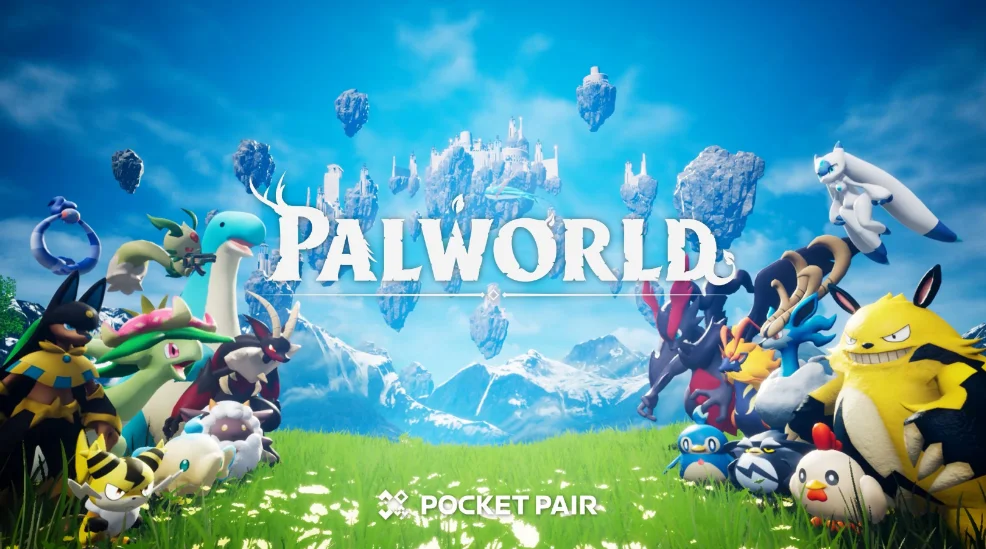
What made it successful wasn’t what it borrowed. It was how it took those borrowed ideas and turned them into a gameplay loop that actually runs on its own. Here’s how.
It Turns Players from “Trainers” into “Managers”
Most creature-collection games cast you as a trainer. Palworld does something different: it puts you in charge of a factory. Pals aren’t pets — they’re your workforce. Mining, logging, planting, watering, generating electricity, crafting — most of your time is spent assigning them to work, not playing with them. You catch Pals not just because you “like” them, but because your base “needs” them.
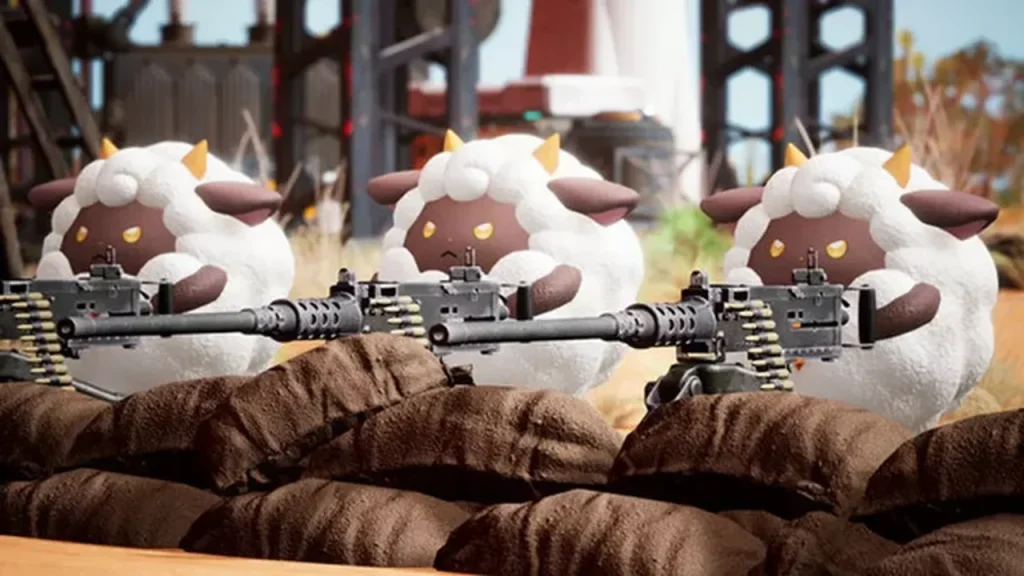
Early on, you need wood — so you catch a Pal that can chop trees. Later, you need electricity — so you catch one that can generate power. Production becomes the reason you catch Pals. The motivation shifts from “I want this one” to “I need this one.” That’s what sets it apart from every other game in the genre.
Japanese outlet Game8 noted in its review that exploration, character progression, base building, and the Pal system form a “continuously complementary, mutually reinforcing positive cycle.”
Why Didn’t Other Games Like This Work?
There are plenty of games that borrow ideas from others. Why did this one win? In many survival-crafting games, creatures serve combat or transport roles at best — they rarely become part of your production line. Palworld is different. Each system naturally feeds into the next. You explore to find stronger Pals; you catch stronger Pals to boost production efficiency; you boost production to craft better gear to take on tougher zones. The loop keeps giving, and the barrier to entry is low.
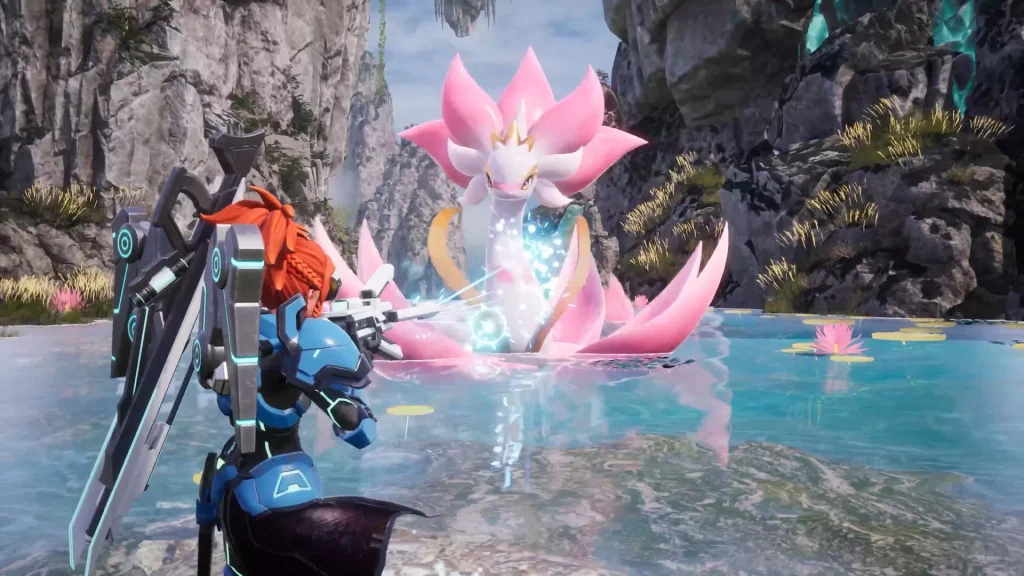
Later on, the loop adds another layer: automation. You assign Pals to specific tasks — watering, generating power — and your base can essentially run itself.
What Did the Version 1.0 Update Add?
During Early Access, Palworld’s biggest issue was that the content felt unfinished. Version 1.0, which the developer called its “biggest update ever,” shipped with roughly 27 pages of patch notes.
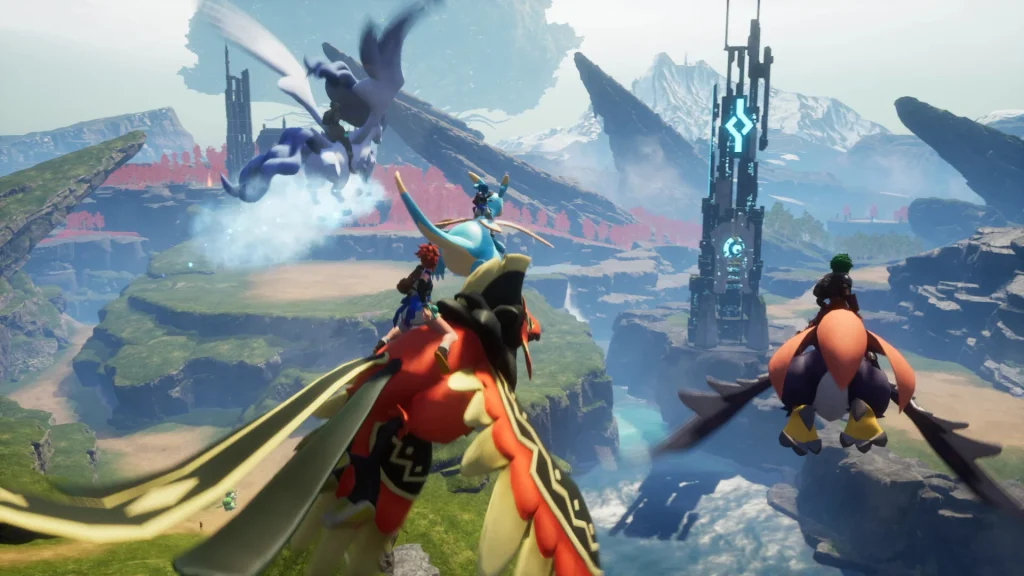
It added 72 new Pals (47 completely new, 25 subspecies), bringing the total to 287. Two major new zones — the floating islands of Tianshan and the World Tree — were unlocked, adding roughly 30% more map area. The main story was completed with multiple endings. New endgame systems — Awakening and a mutation system — were introduced. The level cap was raised from 65 to 80.
Progression was also significantly smoothed out. Capture rewards were relaxed from 12 to 5 captures per Pal, and the number of Pals required for condensing dropped from 116 to 48. These changes directly addressed the pain points EA players complained about most. Returning players don’t have to start from scratch, and newcomers won’t feel overwhelmed. Mobalytics called it “one of the most successful Early Access-to-full-release transitions in recent memory.”
The Controversy Isn’t Going Away
In September 2024, Nintendo and The Pokémon Company sued Pocketpair over multiple patent infringements. Before Version 1.0 launched, the developer quietly redesigned several early Pals that had been widely criticized for their similarity to Pokémon designs. Less than a week after 1.0 dropped, the new legendary Pal “Oceanghan” was already being compared to Pokémon’s Kyogre by players.
The debate won’t end anytime soon — but it hasn’t dented the game’s popularity. Steam concurrent players hit 850,000, proof that the game still commands serious attention.
Who Is This For?
If you enjoy creature collecting, survival crafting, or simply watching Pals work on an assembly line, Palworld will likely absorb you. It’s not the most polished game, and it’s certainly not the most balanced — but it offers a kind of satisfaction that comes from doing things other games wouldn’t let you get away with. If you’re looking for a tightly crafted story or finely tuned combat, this probably isn’t it.

Should You Buy Palworld?
If you enjoy creature collecting and survival crafting, this game is worth the entry price. Version 1.0 already offers dozens — even over a hundred — hours of content, and the progression is far more forgiving than it was during Early Access. It’s priced at $29.99 USD on Steam, with a historical low of $20.99. If you value polished narrative or tight balance, you might want to wait for a sale.
Is Palworld Beginner-Friendly?
Yes. The early game offers solid guidance and a much gentler learning curve than most survival games. Even if you’ve never played Ark or Rust, you can get started quickly. A handful of Pals in the early game is enough to get your base running — no complex planning required.
Is Palworld Better Solo or Multiplayer?
Both work. Single-player offers a complete experience, though late-game automation will require more hands-on planning. Multiplayer supports up to 32 players, and splitting tasks — one person catches Pals, another builds, another explores — makes the experience richer and far more efficient.
What Are the System Requirements?
Minimum: i5-9400F + GTX 1660 + 16GB RAM, SSD required. Recommended: i5-12400 + RTX 3060 Ti + 32GB RAM.
Palworld didn’t sell 30 million copies because it washed off the “rip-off” label. It succeeded because its gameplay loop worked. Players ultimately reward games that are fun to play, not just games with original ideas.
Copyright Notice:
All game screenshots, character designs, and related materials referenced in this article are the property of Pocketpair and their respective rights holders.
Comments (0)
No comments yet