
Is Romancing SaGa 2: Revenge of the Seven Worth It? Why This 31-Year-Old JRPG Still Feels Unique Today

Release Date: October 24, 2024 (Console) / October 25, 2024 (Steam) | Developer/Publisher: Square Enix | Platforms: PS4, PS5, Nintendo Switch, PC (Steam) | Genre: JRPG | Price: $49.99 USD (MSRP) | Languages: Simplified Chinese, Traditional Chinese, Japanese, English, and more
Modern JRPGs increasingly tell you exactly where to go next, but Romancing SaGa 2: Revenge of the Seven does the exact opposite—it hands the choice entirely to you.
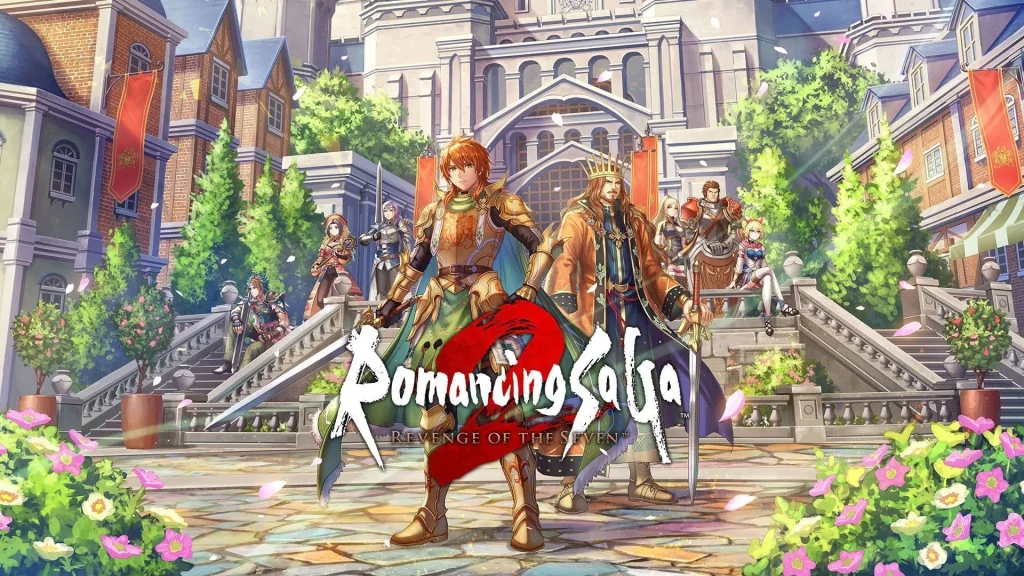
31 years ago, it challenged the traditional JRPG structure with a design where “emperors die, but the empire endures.” Now, the fully remade version retains that rare sense of freedom. With a 92% “Very Positive” rating on Steam (as of July 2026) and a Metacritic user score of 8.5 (as of July 2026), players in 2024 are still embracing a design created in 1993.
The Emperor Dies, But the Empire Lives On
The core system that still sparks discussion today is the Emperor Succession system.
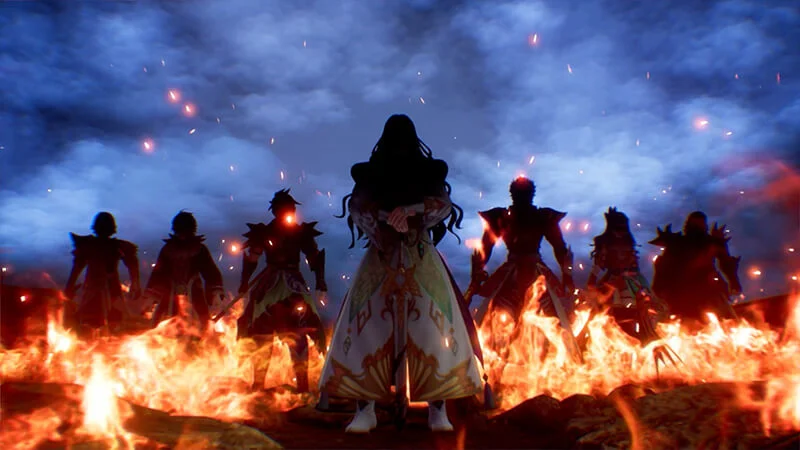
You don’t play as a fixed protagonist; instead, you take on the role of generations of emperors of the Varennes Empire. When an emperor falls in battle or abdicates, you can choose any successor from over 30 different classes—including humans, elves, Amazon warriors, strategists, martial artists, and more.
Each emperor’s growth, learned skills, and mastered techniques are passed down to the next generation through the “Inheritance Technique” system. You’re not just training a single character—you’re building a legacy that spans multiple generations.
What does that mean in practice? It means the ultimate skills your previous emperor spent dozens of hours mastering won’t disappear when you swap characters. It means you can strategically choose the next emperor’s class and growth path based on the specific enemies you’ll face in each era.
The catch? The characters you’ve invested in can truly die.
This is what sets Romancing SaGa 2 apart from almost every other JRPG—it’s not a story about “one hero saving the world,” but rather about “how an empire survives across generations.”
The Seven Heroes: Facing a Reflection of Yourself
The story revolves around the Seven Heroes—former saviors of the world who were banished to another dimension by the ancient people out of fear. When they return millennia later, they have been reduced to vengeful destroyers.
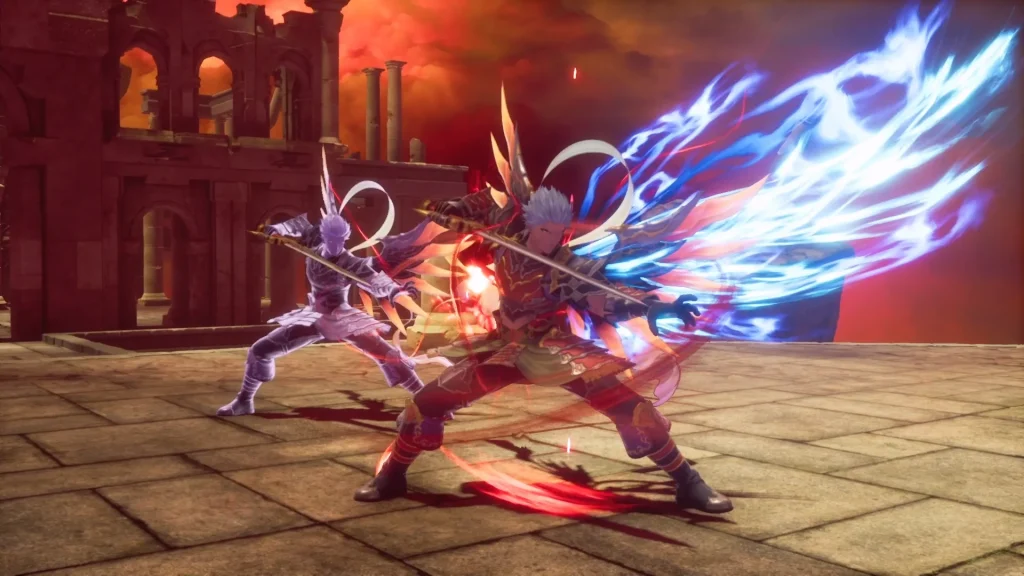
The Seven Heroes serve as a mirror for the player’s own actions. You expand your empire through constant conquest; they destroy the world through revenge. A subtle parallel is drawn between the two. Through this premise, the developers repeatedly ask the player: is your crusade against the Seven Heroes justice, or simply another form of conquest?
This narrative depth was exceptionally rare in a 1993 JRPG, and it’s a major reason why the game remains a frequent topic of discussion three decades later.
No “Right” Order to Follow
You may have heard that “most JRPGs are linear”—Romancing SaGa 2 is the counterexample. In theory, you can challenge the final battle very early on. But in practice, most players still expand their empire gradually to gain strength. Whether you want to take on one of the Seven Heroes in the east first, or secure territory in the west first—it’s entirely up to you. Depending on the order in which you challenge the Seven Heroes, certain story details and character fates will change, offering high replayability.
Freedom is baked into the game’s core design. The 2024 remake retains that “play however you want” foundation.
Combat: Glimmers, Formations, and United Attacks
The combat system is one of Romancing SaGa 2’s most distinctive features.
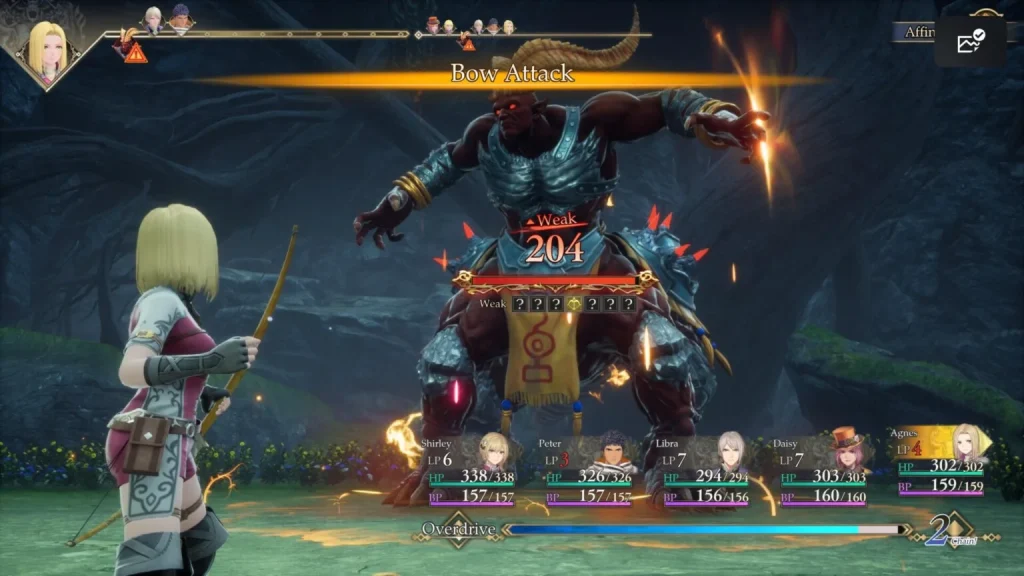
Glimmers (the Spark System)
Skills are learned randomly during battle. You can’t unlock them simply by leveling up—you have to “spark” them through real combat. A new weapon might suddenly allow a character to learn a powerful, never-before-seen technique, delivering a pure sense of surprise and motivation. Unlike traditional JRPGs that rely on level grinding, Romancing SaGa 2 emphasizes the rewarding feeling of mastering its systems.
Formations
Your party gains different bonuses based on the classes of your members and their positioning. By making good use of the formation system, a lower-level party can still win tough fights.
United Attacks
The remake’s new United Attack mechanic allows party members to unleash powerful combo strikes under specific conditions. Paired with the newly introduced timeline combat system (which clearly displays the turn order for both allies and enemies), combat evolves from “select commands and watch the animation” into a genuine strategic puzzle.
Three difficulty options are available: Casual (story-focused), Normal (balanced experience), and Original (recreating the hardcore challenge of the 1993 version). The ability to reset mid-battle also greatly lowers the cost of trial and error.
31 Years Later, Why Is It Still Worth Playing?
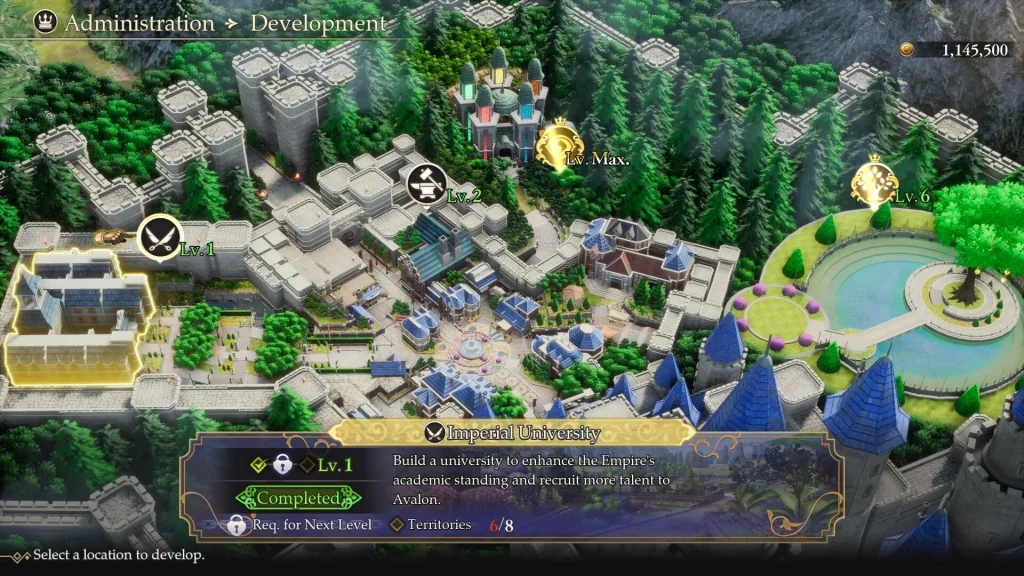
When Romancing SaGa 2 launched on the Super Famicom in 1993, the JRPG landscape was dominated by linear titles like Final Fantasy and Dragon Quest. Players were accustomed to the “go to Point A → trigger story event → go to Point B → fight the boss” loop. Romancing SaGa 2 flipped that completely—it laid out the map and told players: “Go wherever you want. If you can’t win, come back later.”
This design was a gamble back then, and today, it’s a rarity. Modern JRPGs lean increasingly toward cinematic storytelling and guided experiences, carefully escorting players from one story beat to the next. The Revenge of the Seven remake preserves the original’s open-ended approach—it never forces you to go anywhere; it simply places the world in front of you and waits for you to make a choice.
The remake’s biggest achievement isn’t that it turned the game into a modern JRPG—it’s that it modernized the playability without compromising the core freedom of exploration. The barrier to entry is lower, but the agency remains firmly in the player’s hands.
What Has the Remake Changed?
Developed by the team behind Trials of Mana Remake, the visuals have evolved from 2D pixels into full 3D. Characters are modeled based on original illustrator Tomomi Kobayashi’s art, and monsters are scaled up proportionally, giving the world a much stronger sense of scale and presence. The remade environments feature elevation differences and additional exploration routes, while the fast-travel system has been significantly improved—once unlocked, you can instantly travel to any previously visited location.
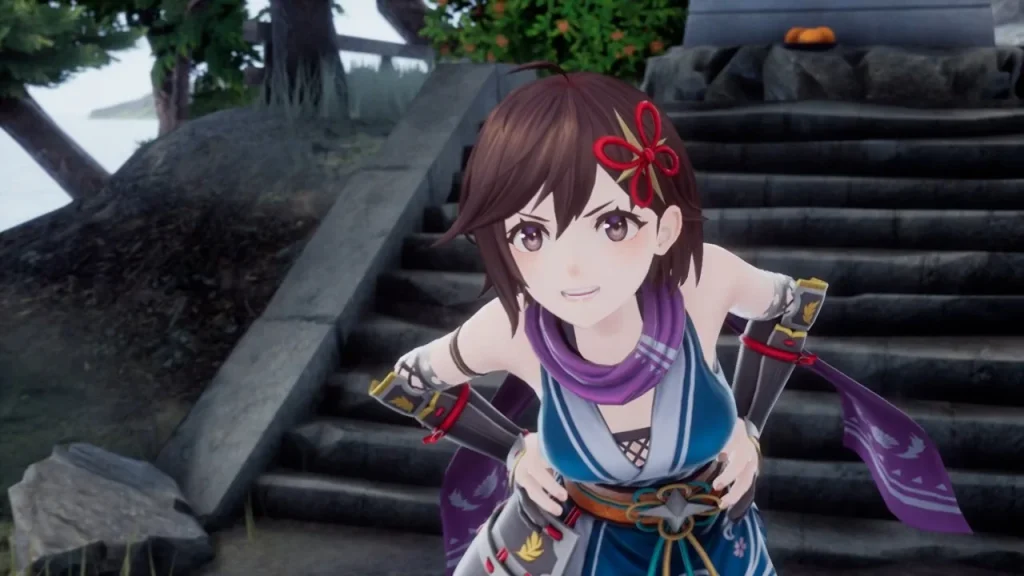
Composer Kenji Ito returns with an entirely rearranged BGM, while the original soundtrack is also available for free switching. All cutscenes now feature full voice acting, with both Japanese and English dubs newly recorded.
Who Is This Game For?
Recommended for:
- JRPG fans who love high freedom and open-ended exploration
- Players who enjoy non-linear storytelling and prefer to discover things on their own
- Those who like digging into systems, experimenting with formations, and combining skills
- Newcomers who want to experience a “classic remake” but find the original too hardcore
Not recommended for:
- Those who prefer cinematic, linear narratives like Final Fantasy XVI or Persona 5
- Players who dislike system mastery and just want a more relaxed, pick-up-and-play experience
- Anyone who gets frustrated by high freedom leading to “not knowing where to go”
If you’re in the recommended group, the $49.99 USD price tag is unlikely to disappoint. If you’re in the not-recommended group, you might want to wait for a sale or try a demo first.
The Final Verdict: Is It Worth It?
Romancing SaGa 2: Revenge of the Seven is a JRPG with incredibly clear strengths and weaknesses. It preserves the original’s most essential freedom while lowering the entry barrier through modern refinements.
If you’re willing to accept “figuring it out as you go,” this might be one of the most unique JRPGs in recent years. If you’re used to being led through the entire story, it may leave you feeling lost.
31 years have passed, and it still hasn’t conformed to what the mainstream prefers—but for those who happen to love exactly what it offers, this refusal to change is exactly what makes it special.
Copyright Notice:
All game screenshots, character images, and related materials referenced in this article are the property of Square Enix and their respective rights holders.
Comments (0)
No comments yet