
Scene Investigators — When a Detective Game Takes Away Your “Search” Button

On October 24, 2023, EQ Studios released a detective game on Steam called Scene Investigators. It has no flashy cutscenes, no full-motion video, and not even a single highlighted arrow pointing to clues. It does something almost counterintuitive for a modern detective game: it leaves the actual work of solving the case entirely to the player.
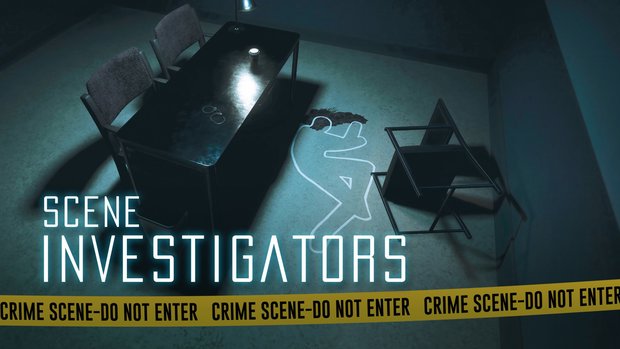
If you’re familiar with EQ Studios’ previous game, Painscreek Killings, you’ll know the studio has a certain obsession — they don’t like holding the player’s hand. And Scene Investigators pushes that obsession to its limit.
You’re Not Finding Clues — You’re Deciding What Counts as a Clue
Many modern detective games follow a core loop: enter a scene, click on glowing objects, collect clues, and wait for the game to confirm that you’ve got the right answer. The player is reduced to a clue collector rather than being the detective.
Scene Investigators completely abandons that logic.
You play as a trainee investigator trying to earn your license. The game gives you a 3D-reconstructed crime scene and lets you walk around freely, observe, and take notes. No one gives you hints, no one tells you what matters, and there’s no “search” button to press. A lipstick stain on a glass, a bullet trajectory on the wall, an inconspicuous mark on a windowsill — these things don’t glow, don’t vibrate, and don’t pop up a “new clue” notification box. You have to decide for yourself: what’s worth recording, and what’s just background noise.
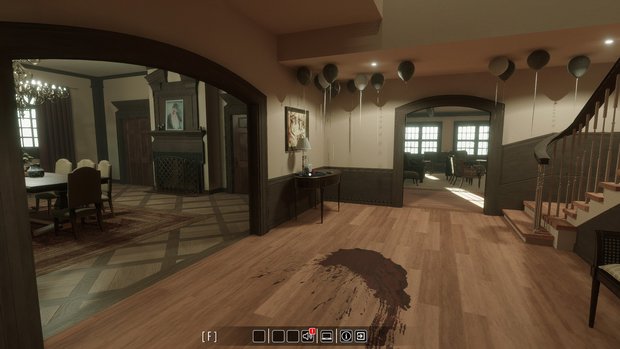
The result is inevitably divisive. Some players will feel like they’ve struck gold — finally, a game that takes their observation skills seriously. Others will stand in the first scene for twenty minutes, staring at a room full of objects in silence, and then quietly close the game.
This isn’t an accidental flaw — it’s a deliberate design choice by the developers. The problem is that sometimes it pushes “open-ended deduction” too far.
The 70/30 Rule: When Evidence Runs Out, Intuition Becomes a Tool
The core design philosophy of Scene Investigators is what the developers call the “70/30 rule.”
In the game, you can only find about 70% of the evidence. The remaining 30% of the evidence simply isn’t there. You have to fill in the gaps with logic and assumptions.
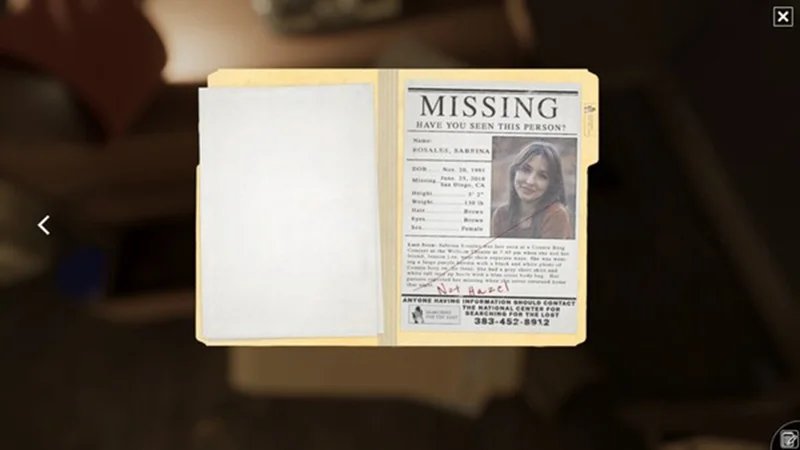
The brilliance of this mechanic is that it simulates the inherently incomplete nature of real investigation. You’re not solving a puzzle with a standard answer — you’re making a judgment in the face of an information gap. Make the right call, and the case moves forward. Make the wrong one, and you may carry a plausible but completely false conclusion much further than you should.
This also means the game doesn’t offer the forgiveness of “retry until you get it right.” What’s truly missing isn’t feedback on the answer — it’s feedback on the reasoning process. You might know you got it wrong, but you won’t know which step went off track.
When Open-Ended Deduction Starts to Feel Like Guessing
The 70/30 rule is both the game’s most unique feature and its most controversial one.
Supporters argue that this design finally frees detective games from the mechanical loop of “click to confirm,” forcing players to actually think. Critics argue that some cases have overly narrow logic chains, where the answer feels more like picking the answer that seems least likely to be wrong than a conclusion naturally derived from the evidence.
This criticism is fair. Some deduction chains in the game do rely on fairly specific assumptions, and sometimes the game forces you down a very narrow line of reasoning. Some puzzles require background information that should have been part of more complete investigative materials, but is deliberately omitted in the game.
What it truly tests is whether you can accept that “uncertainty itself is part of the puzzle.”
Eight and a Half Crime Scenes: The Second Time Around, What Changes Is You
The game contains 8 complete crime scenes, which the developers call “8.5 cases.” Each case is a standalone 3D scene, ranging from missing persons to murder, with increasing difficulty.
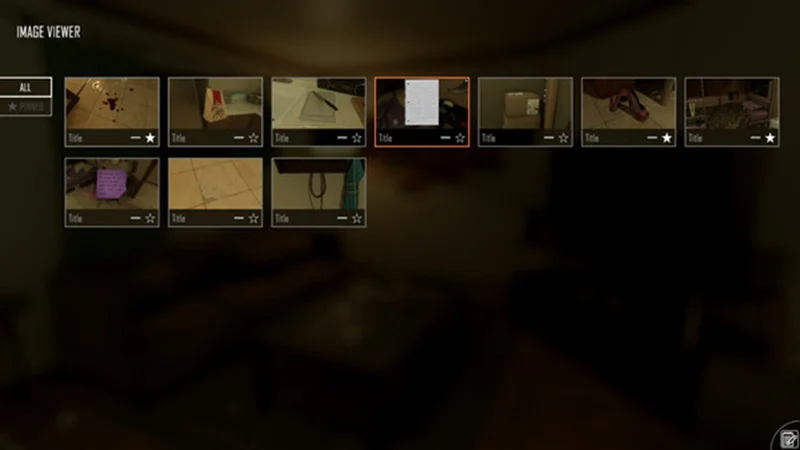
The cases aren’t completely isolated. As you solve more of them, a larger picture gradually emerges. But the game won’t summarize it for you through narration, cutscenes, or document notes. The connections exist in the details of the scenes, and in the notes you write yourself in your notebook. If you’re not careful enough, you might miss the faint signals that link the cases together.
This gives the game a rare kind of replay value. The second time you enter the same scene, you see things you completely missed the first time. Not because the game changed, but because you now know where to look.
The Game Tells You If You’re Wrong. It Doesn’t Tell You Why.
The feedback design in Scene Investigators may be its most controversial part.
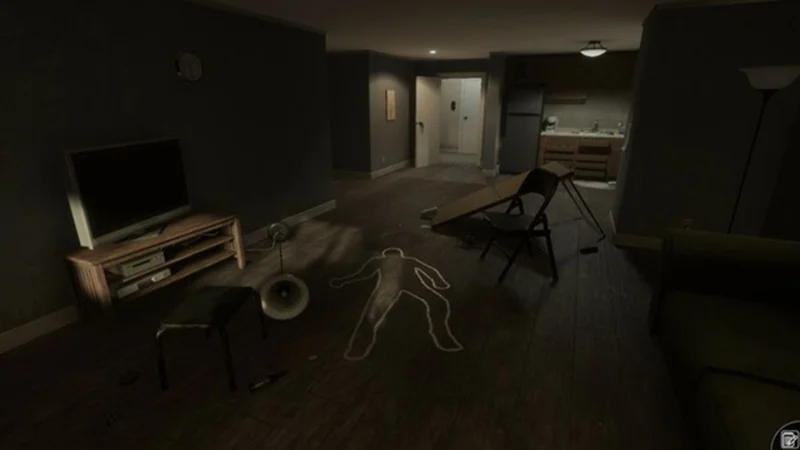
After you submit your answer, the game will tell you if you’re right or wrong, but it won’t walk you through the case or tell you which step of your reasoning went astray. What’s missing isn’t the answer feedback—it’s feedback on the reasoning process. You might know you got it wrong, but you won’t know which step went off track.
This silence gives every submission real weight. But it also means you could carry a wrong logic chain through an entire case, only to realize at the end that you were wrong from the very beginning.
That’s the gamble of the whole design: the game refuses to take responsibility for your judgment.
It Gets Detective Work Right — and Takes It Too Far
Its graphics don’t try to be a selling point; most of the time you’re just facing the crime scene itself.
As of this writing, the game has nearly a thousand reviews on Steam, with 74% positive, giving it a “Mostly Positive” overall rating.
The rating reflects a clear split in how players respond to its design: many appreciate the open-ended deduction, while others feel the balance tips too far toward guesswork.
What makes Scene Investigators truly special isn’t that it lets you solve cases — it’s that it refuses to confirm that you have solved them.
It succeeds in handing observation and judgment over to the player. But the 70/30 rule also makes some puzzles slide from deduction into guesswork.
Copyright Notice: All game screenshots, character images, and related assets referenced in this article are the property of their respective rights holders, including EQ Studios. This article is intended for game introduction, review, and informational purposes only.
Comments (0)
No comments yet