
Sleeping Dogs: The Open-World Game That Captured the Feel of Hong Kong Undercover Thrillers—and Why Fans Still Want a Sequel 14 Years Later

On August 14, 2012, Sleeping Dogs launched on PC, PS3, and Xbox 360 in North America. The game began life as True Crime: Hong Kong, intended to be the third entry in Activision’s True Crime series. Activision cancelled the project in 2011 due to development delays, budget pressure, and the belief that it couldn’t compete with other open-world games of the era. Square Enix later acquired the project, but not the True Crime IP itself. The game was subsequently rebranded as Sleeping Dogs, with development continuing under United Front Games and Square Enix London Studios.
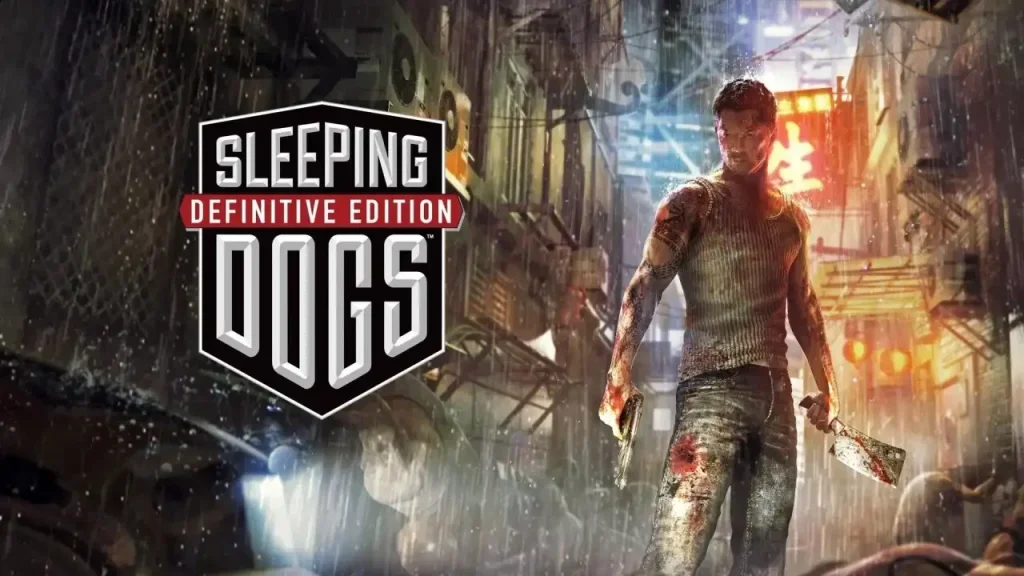
Fourteen years later, Sleeping Dogs: Definitive Edition has amassed over 80,000 Steam user reviews, around 94% of which are positive, earning it an overall rating of “Very Positive.” It remains synonymous with the phrase “Hong Kong GTA” for many players, and it’s one of the few open-world action games where the melee combat is good enough to make you want to come back for more.
You’re Not Playing a Hero—You’re Playing Someone Who’s Losing Track of Who He Is
Wei Shen was born in Hong Kong and moved to San Francisco with his mother and sister at the age of ten. As an adult, he joined the San Francisco Police Department before being sent back to Hong Kong undercover to infiltrate the Sun On Yee triad. The story opens with him getting arrested for drug trafficking and landing in prison, where he meets his childhood friend Jackie Mah, whom he hasn’t seen in years. After his release, he uses his old connection with Jackie to gain entry into the triad.
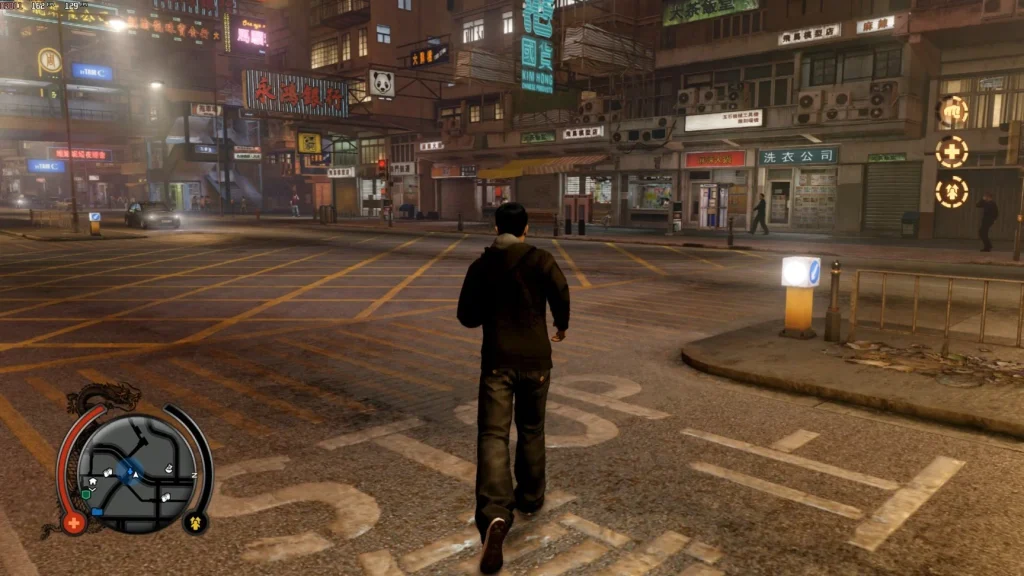
The setup invites comparisons to Infernal Affairs. But Sleeping Dogs goes further than a simple homage. Wei Shen isn’t a pure-hearted cop torn between duty and friendship. The longer he stays inside the triad, the more real his bond with its members becomes, and the more he questions the orders coming from his own department. The emotional core of the game lies in the gray area between loyalty and betrayal—Wei Shen has to maintain two identities, and both sides demand increasingly irreconcilable choices from him.
This narrative tension sets Sleeping Dogs apart from most open-world games. You’re not “completing objectives” on a giant map; you’re moving through a narrowing corridor, losing something with every step.
The Best Part Is the Fistfights
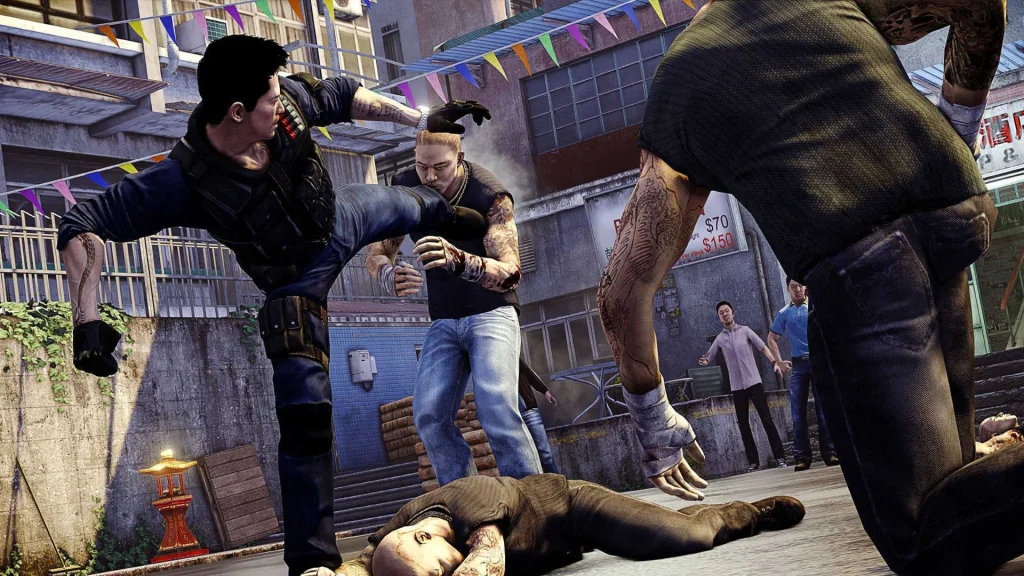
If you had to sum up what Sleeping Dogs does best in one word, it would be melee.
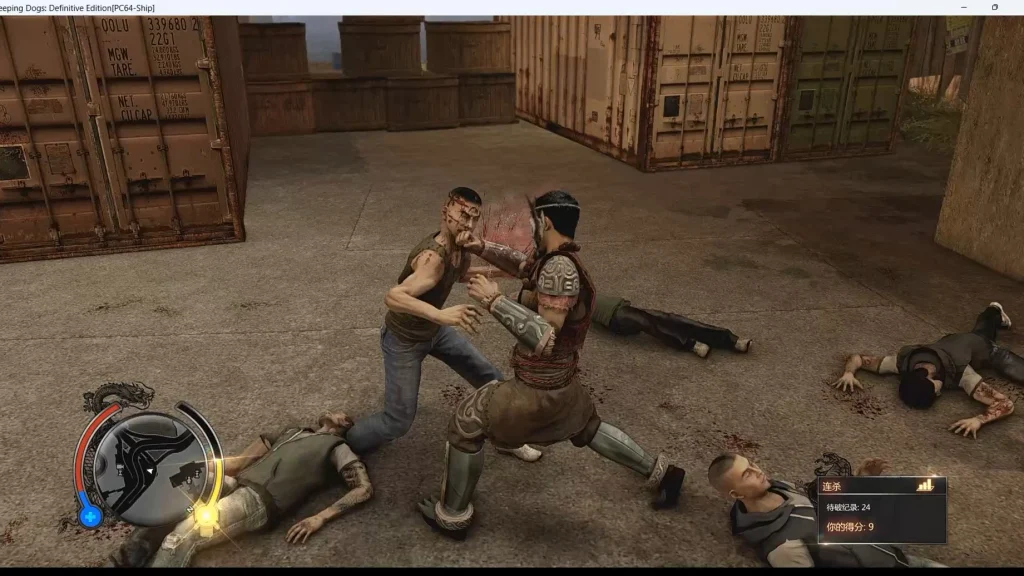
The combat system blends multiple martial arts styles and draws from Hong Kong action cinema. The core controls revolve around three commands: attack, grapple, and counter. Players combine punches and directional inputs to execute different moves, press the counter button at the moment an enemy attacks to trigger a parry, and grab enemies to drag them into environmental objects—phone booths, dumpsters, circular saws, refrigerator doors—to perform environmental takedowns.
What makes this system great isn’t the number of moves. It’s that every fight feels like stepping into an action-movie sequence. The sound of a successful counter, the slight camera shake, and the enemies’ stagger animations combine with Hong Kong’s neon-lit streets to create an immediate, cinematic sense of impact.
Combat progression comes from three separate XP systems, alongside a separate move-unlock path tied to the Zodiac Statues. Triad XP, earned through counters and environmental takedowns, unlocks new melee moves. Cop XP, earned by completing missions and avoiding civilian casualties, unlocks police skills. Face XP, gained by helping citizens, completing Favors, and taking part in street races, unlocks outfits and vehicles. Separately, collecting the twelve Zodiac Statues allows Wei Shen to learn additional moves from a martial arts master.
Hong Kong Isn’t a Backdrop—It’s a Character
Sleeping Dogs’ open world is often compared to GTA, but it does something the GTA series rarely attempts in the same way: it weaves a real city’s cultural texture into every corner of the game.
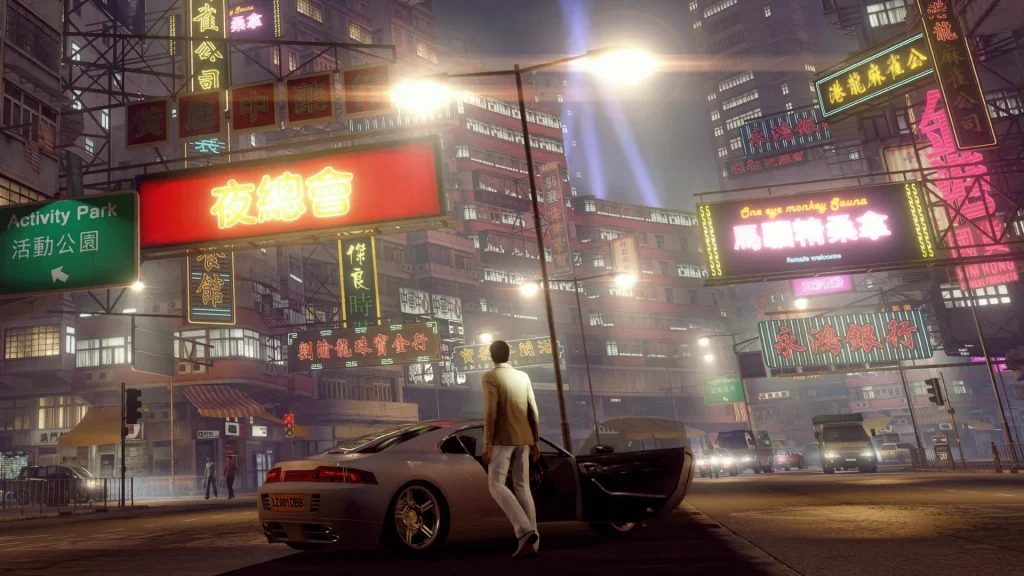
The map is modeled after Hong Kong Island and divided into four main districts: Central, North Point, Aberdeen, and Kennedy Town. Central’s financial district, North Point’s night markets, Aberdeen’s harbor and floating community, Kennedy Town’s docks—each district has its own density and atmosphere. Street vendors, massage parlors, karaoke bars, cockfighting rings, cha chaan tengs—these aren’t collectibles; they’re activities Wei Shen can actually participate in. You can sing an English pop song at karaoke, eat a bowl of wonton noodles on the street to recover health, or practice on a wooden dummy at a martial arts school. The karaoke song list is mostly English tracks, including The Clash’s “I Fought the Law,” Air Supply’s “All Out of Love,” and Pat Benatar’s “Hit Me with Your Best Shot.”
To recreate Hong Kong, the development team shot around 35,000 to 40,000 reference photos and extensive video footage. The goal was to capture the city’s character rather than replicate it street by street. The result: even if you’ve never been to Hong Kong, you can feel the city’s rhythm through the game.
That said, the game’s portrayal of Hong Kong isn’t without its critics. The voice acting is predominantly in English, with Cantonese only appearing sporadically. This blend of Hong Kong and Western influences may create a subtle sense of detachment for players familiar with Hong Kong culture. The game is more about capturing Hong Kong’s atmosphere than replicating it precisely.
Its Weaknesses Are as Obvious as Its Strengths
Driving and shooting are the two most frequently criticized aspects of Sleeping Dogs in the player community.
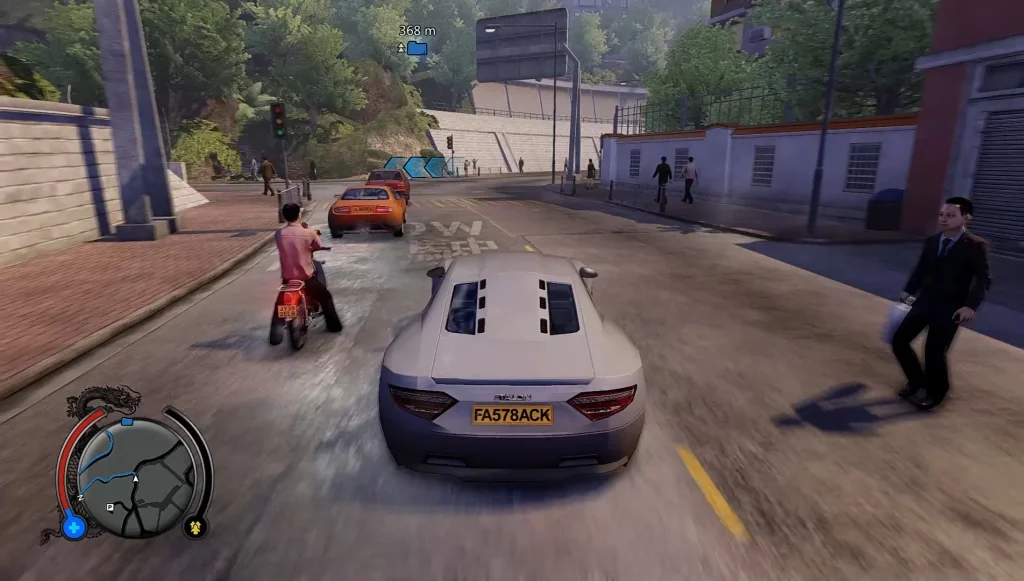
Vehicle handling has an arcade feel and can feel loose compared with other open-world games, and the differences between vehicles aren’t distinct enough. Shooting isn’t the game’s focus, and gunplay feedback isn’t as sharp as melee combat. Bullet time helps somewhat, but the overall experience falls far short of the melee sections.
There may be a design trade-off at play here. United Front Games had experience with driving games (they previously made ModNation Racers), but neither driving nor shooting quite measures up to genre standards. A more reasonable explanation: the team concentrated most of its resources on melee and environmental interaction, treating driving and shooting as necessary components rather than core strengths.
Another frequently mentioned issue is mission repetition. Main story missions are high quality, but many side missions boil down to “go somewhere, beat up a group of people, come back.” By the late game, the repetitive side missions can make exploration feel less rewarding.
Fourteen Years Later, Returning to Hong Kong Is Still Worth It
Sleeping Dogs: Definitive Edition is priced at $19.99 on Steam, with the Definitive Edition including all 24 DLCs, including the story expansion Year of the Snake and the horror-themed Nightmare in North Point. The game frequently goes on sale, sometimes dropping as low as $2.99.
If you’ve never played it, it’s worth a shot. Its melee combat system has yet to be surpassed by many similar games, and its Hong Kong atmosphere is one of a kind in the open-world space. The driving and shooting are genuinely rough, but if you approach it as a “melee-first” game, those shortcomings are tolerable.
If you’ve played it before, the Definitive Edition’s visual upgrades and complete DLC collection make it more complete than the original. Note that some players have reported crashes after extended play sessions, though this may depend on system, drivers, and hardware, and not everyone experiences it.
Fourteen years on, Sleeping Dogs remains a standalone title without a sequel. Its strengths and weaknesses are both sharp enough that you can’t easily sum it up as a masterpiece or a mediocrity. It’s more like a Hong Kong film without a sequel—you know the story is over, but every time you revisit it, you can’t help wondering: what would a second one have looked like?
Copyright Notice: All game screenshots, character images, and related assets referenced in this article are the property of their respective rights holders, including United Front Games and Square Enix. This article is intended for game coverage, commentary, and informational purposes only.
Comments (0)
No comments yet