
Silver Pines: A 2.5D Love Letter to Twin Peaks and Silent Hill

Metroidvanias encourage you to explore, keep track of doors you can’t open yet, and return once you have the right tool. Survival horror asks you to conserve ammo and healing items—and even pay to save your game. On paper, these two design philosophies pull in opposite directions—one pushes you further, the other makes you afraid to go too far. Silver Pines stitches them together, and does it remarkably well.
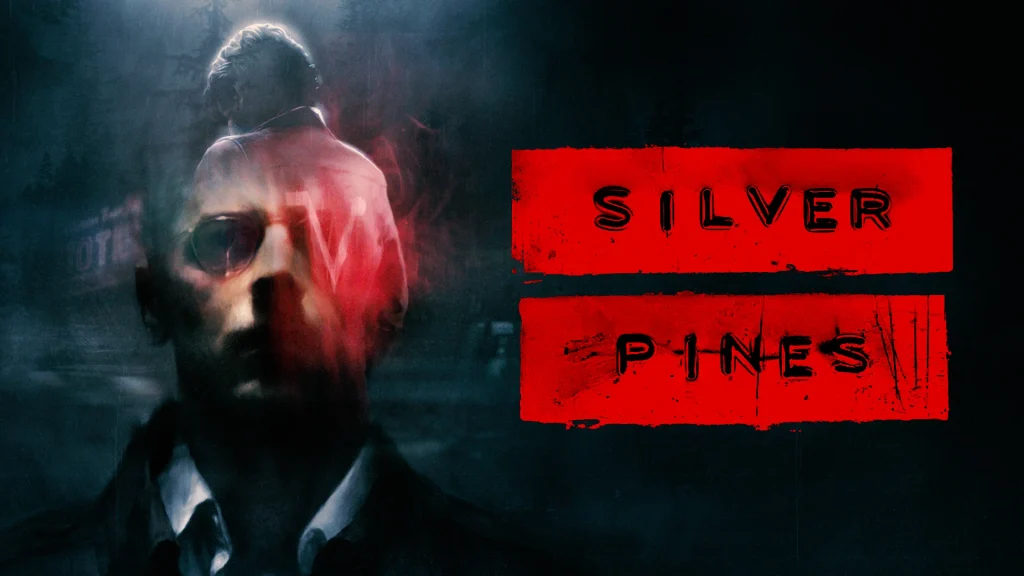
Developed by Swedish indie studio Wych Elm and published by Team17, Silver Pines launched on October 8, 2026, for Steam, PS5, Xbox Series X|S, Switch, and Switch 2. As of October 13, 2026, it holds a 90% positive rating on Steam, earning a “Very Positive” overall score. On Metacritic, the PC version sits at 85 based on 18 critic reviews, and the PS5 version at 85 based on 14. CGMagazine awarded it a perfect 10/10, calling it “a love letter to Silent Hill and Twin Peaks.”
A Detective, a Forgotten Town
You play as private investigator Red Walker, arriving in the half-abandoned town of Silver Pines to search for missing musician Eddie Velvet. The opening has a distinct Lynchian flavor: you wake up in a roadside diner, the radio loops an evacuation notice, rain falls on a quiet town, and a voice from a phone booth gives you the name you’re looking for. As the investigation deepens, Walker is dragged into a strange, nightmarish descent beyond his control.
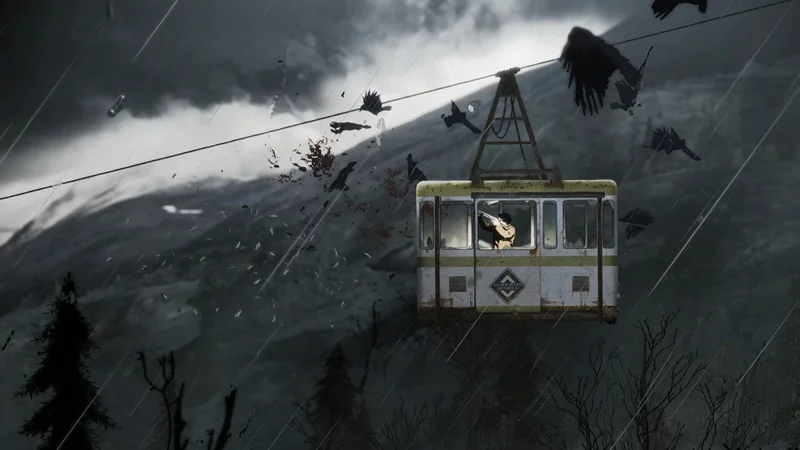
The art style is the first thing that grabs you. Hand-drawn visuals combined with rotoscoped animation give it the feel of a graphic novel, and the 2.5D side-scrolling perspective lends the whole town a gloomy, film-noir atmosphere. CGMagazine noted that Silver Pines itself feels like a living character. As you explore, roads, clues, and secrets unfold gradually—you have to learn the town’s layout before you can find new paths.
Survival Horror × Metroidvania: How Does the Stitching Hold?
Resource management takes after classic Resident Evil. Money is used for ammo, batteries, and healing items, and it’s directly tied to saving—phone booth saves cost money, so your save budget competes with your supply budget.
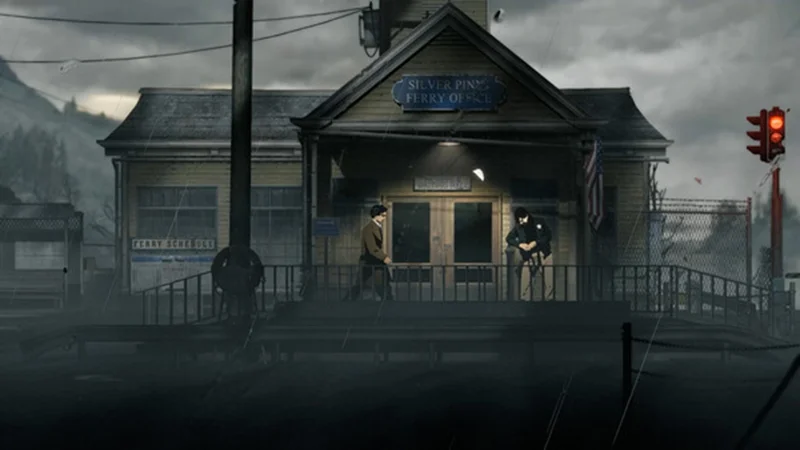
However, each phone booth’s coin return gives back $1, effectively granting one free save per new booth; only repeated saves at the same booth start to put real pressure on your wallet. That means every save is a small economic decision: save now, or keep the cash for medicine? Inventory space is limited, and every bullet matters. More importantly, ammo is both a combat resource and an exploration resource—you might need to spend it opening a route rather than fighting an enemy. This makes resource pressure a tangible choice rather than a vague feeling.
Exploration follows the standard Metroidvania structure. The map is full of locked doors and impassable paths you’ll need to return to once you have new tools. A box cutter slices through plastic sheeting, a sledgehammer smashes weakened concrete, and a pistol can shoot the padlocks off.
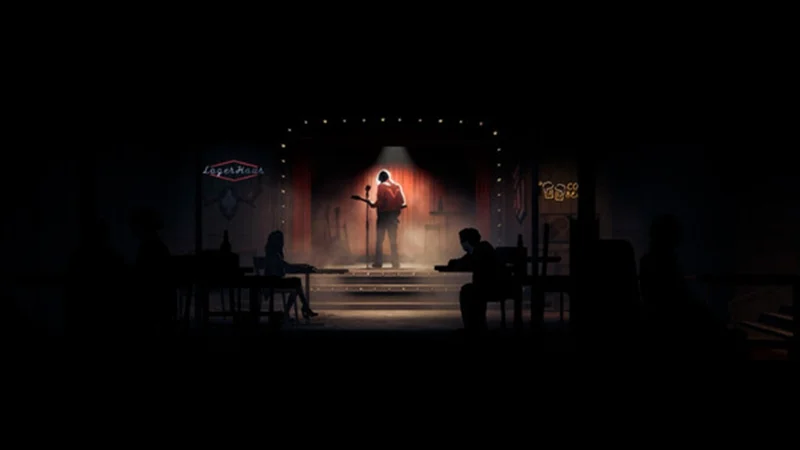
There’s also a Polaroid camera. You can photograph clues, locations, and areas you can’t access yet, then pin those photos to the map. It’s part of the detective role, but it also directly serves backtracking: once you get a new tool, you can check your photos and return to the obstacle you found earlier instead of relying on memory. CGMagazine specifically pointed out that because the game wraps everything in a detective mystery, backtracking doesn’t feel like busywork—it feels like following a new lead.
Combat is the most divisive part. Many players describe the controls as “clunky”—the starting firearms lack a reticle, and both reloading and healing have wind-up animations. These issues aren’t all the same kind of problem.
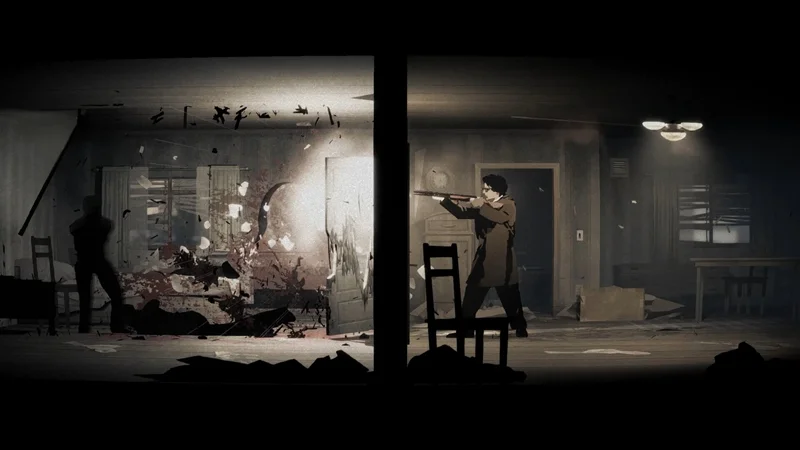
The lack of a reticle on the starting firearms is a deliberate design choice, though later upgrades include a laser sight that makes the 1911 much easier to aim. Real-time reloading and healing animations that leave you vulnerable are mechanics designed to create pressure. Some recent reviews argue that enemies continuing to attack while you reload can make combat frustrating.
The game intentionally makes combat less fluid, but not every awkward control choice should be read as a successful design decision. For example, real-time reloading can build tension, but without clear visual feedback when aiming, it can make players feel out of control rather than scared.
Some players who finished the game felt combat was secondary—the real focus is atmosphere, exploration, and puzzles. Boss fights offer limited variation and lean more on resource management and reload timing than on twitch reflexes.
Paid Saves, Reload Minigames, and Clue Tracking
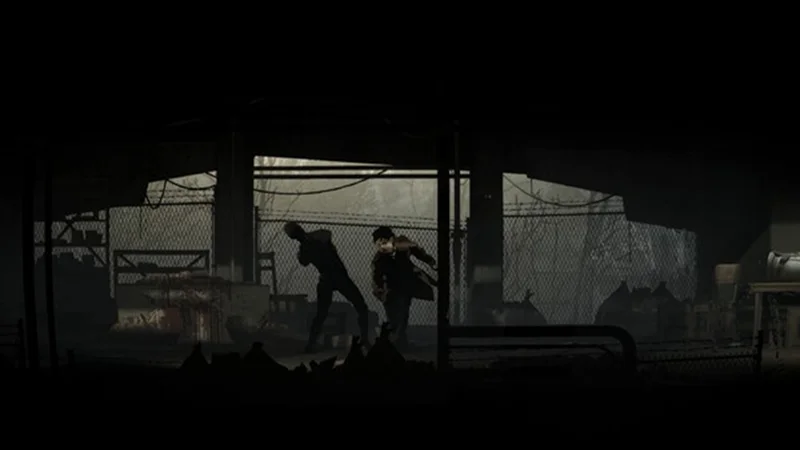
Paid saves recall the resource planning of classic survival horror. They add pressure, but some players have criticized them as retro for retro’s sake. That said, the game offers free saves at a few key story moments, so not every save costs money.
Reloading requires real-time input, and the community is split on it. Some weapons load bullet by bullet, and your skill affects reload speed. Some players find it tense; fortunately, there’s an option to disable the reload QTE. As for healing, some herbs use a progress bar, while first-aid kits have a timing-based input to speed up the process—separate from reloading.
Puzzle design earned particular praise from CGMagazine. The game doesn’t over-explain; you have to organize notes and hunt for clues yourself. Some late-game puzzles even require careful note-taking to solve. But this “no hand-holding” approach also means that if you’re used to following quest markers everywhere, you might get stuck for a long time.
Silver Pines is priced at $24.99 on Steam, with a 10% launch discount bringing it to $22.49 until October 22, 2026. According to developer estimates cited in media roundups, the main story runs about 12–14 hours. Some reviewers logged around 13 hours of exploration, while others spent about 17 hours aiming for near-100% completion. It’s not a fixed length for every player, but it gives you a rough idea.
What’s most interesting here isn’t the gunplay—it’s the survival pressure built from money, ammo, batteries, and saves. At the discounted launch price of $22.49, you get a town worth exploring again and again, along with systems built around investigation and resource management. Combat is the trade-off you have to accept. Whether it’s worth it depends on whether the exploration experience can outweigh the awkward controls.
Copyright Notice: All game screenshots, character images, and related assets referenced in this article are the property of their respective rights holders, including Wych Elm and Team17. This article is intended for game coverage, commentary, and informational purposes only.
Comments (0)
No comments yet