
Dead by Daylight: How It Turned Horror Into Competition—and Why Players Still Love and Hate It Ten Years Later

On June 14, 2016, Behaviour Interactive released a game on Steam with a premise that sounded rather strange: one player takes on the role of a Killer, four players become Survivors, and everyone plays a game of asymmetric cat-and-mouse in a confined arena. At the time, no one knew whether this “1v4” design would succeed—after all, symmetrical multiplayer games were still the norm.
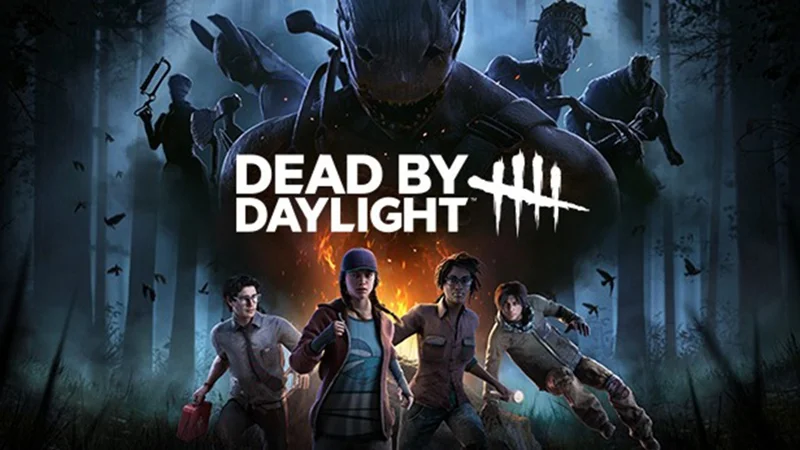
Ten years later, Dead by Daylight has accumulated over 680,000 multilingual user reviews on Steam, with an overall rating of “Mostly Positive.” It has weathered countless competitors and become one of the genre’s most influential titles. But it has also attracted its share of controversy: balance, matchmaking, community atmosphere, region-locked cosmetics—each has sparked widespread debate.
A Match on Unequal Terms
The core experience of Dead by Daylight can be summed up in one sentence: Killers and Survivors play the same match under completely different rules.
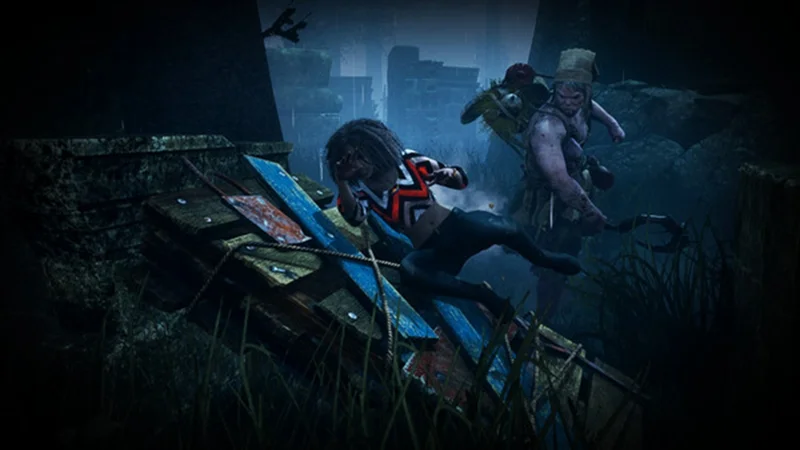
Killers play from a first-person perspective, possessing unique chase abilities and special powers, with the goal of downing Survivors and sacrificing them on hooks. Survivors play in third-person, with a wider field of view but lacking any direct means to kill the Killer. In a standard match, they need to repair 5 of the 7 generators spawned on the map, power the exit gates, and try to escape; under certain conditions, they can also leave through the hatch.
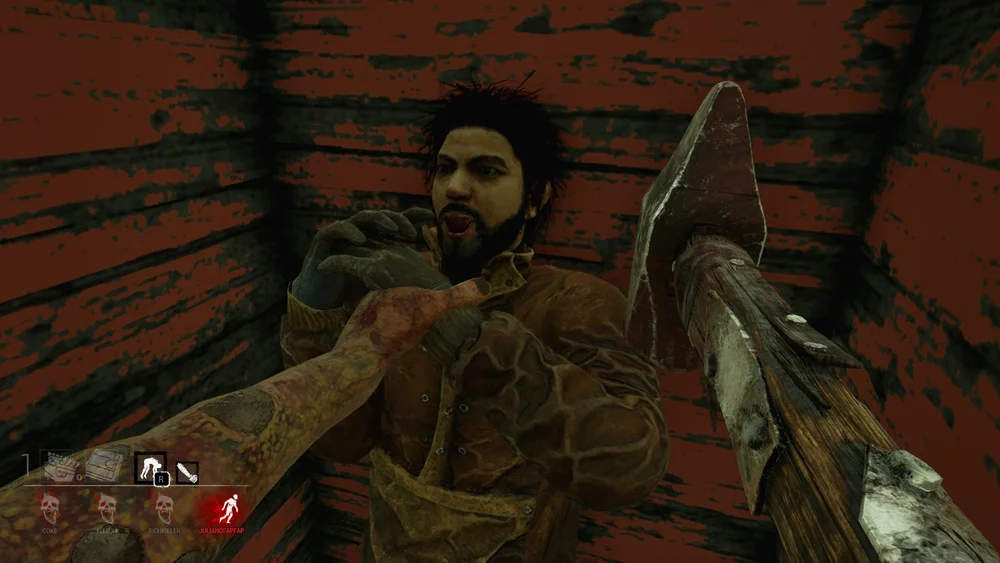
This design makes the two sides’ experiences completely different. The Killer hunts Survivors in the darkness, with every step adding to the tension; Survivors cooperate under pressure, outmaneuver the Killer, and risk everything. You’re not “playing a horror game”—you’re “participating in a horror event.” The difference is whether you’re on the side of the hunter or the prey.
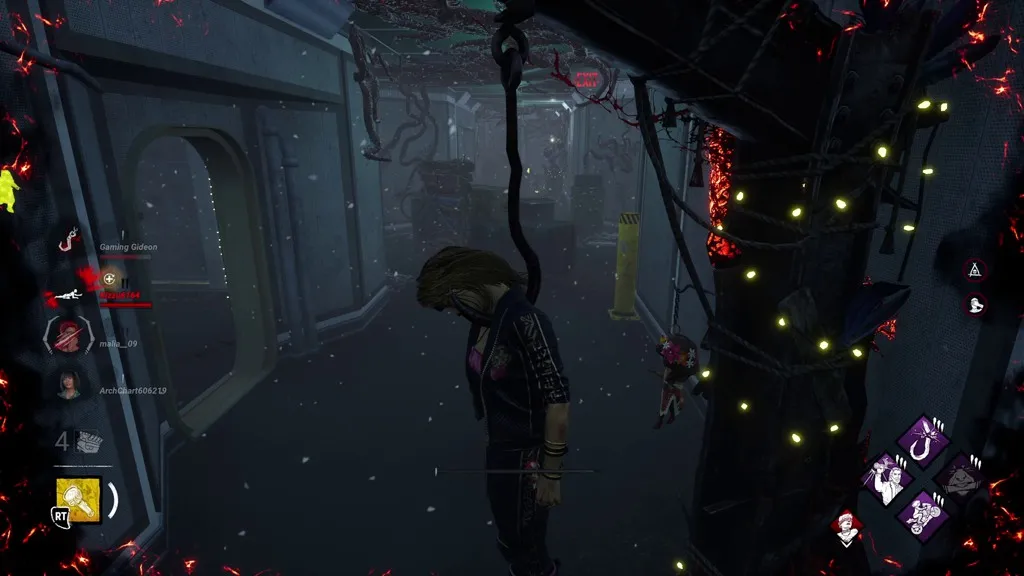
The core skill for Survivors is “looping”: using pallets, windows, and terrain to buy time against the Killer while teammates repair generators. Repairing triggers skill checks; the pointer must land in the white zone to progress efficiently. A failed check makes the Generator explode, removes some progress, and alerts the Killer with a loud-noise notification. The Killer must figure out which Generators Survivors are working on and decide when to chase versus patrol.
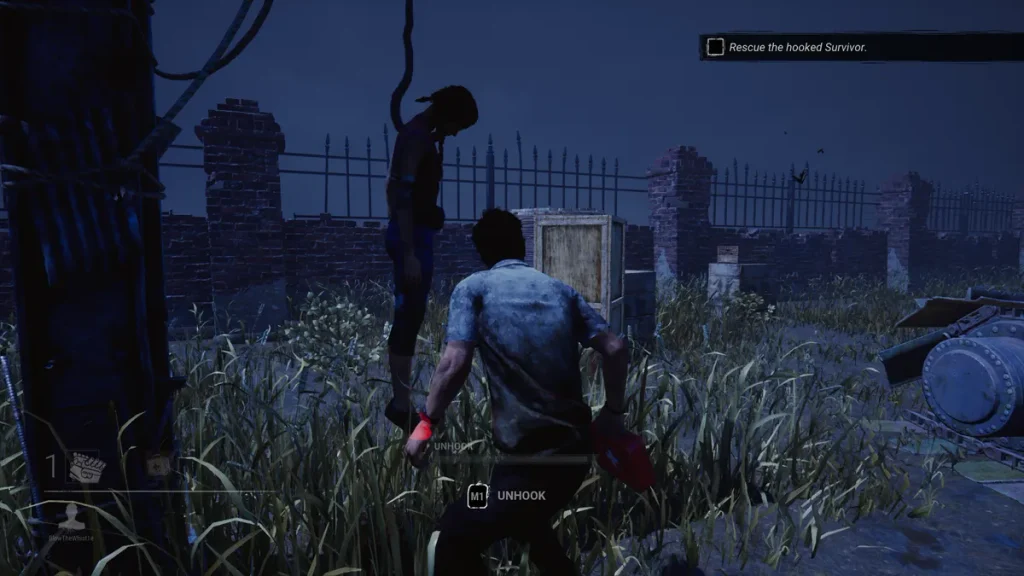
This system sounds simple, but ten years of accumulated perks, items, and Killer powers have turned every match into a complex decision tree.
What’s Happening in 2026
2026 marks Dead by Daylight’s tenth anniversary. For a game that’s been running for a decade, this year’s update schedule has been particularly busy.
The anniversary celebration kicked off in June. The developers held an in-person anniversary event in Montreal and announced a series of major content drops during a livestream. The biggest announcement was that Jason Voorhees from Friday the 13th would join the game on June 16. Several crossover announcements followed. The Walking Dead collection was expanded with Legendary Outfits for Glenn and Negan, while new cosmetics inspired by Silent Hill f and the Bubble Head Nurse were announced for Silent Hill. New collections for Diablo IV and Scooby-Doo were also announced, with the latter planned for later in the year. Furthermore, the community-designed chapter Chorus of Sin launched in August, introducing a new Killer, The Judgment, and a new Survivor, Aurora. Art the Clown from the horror film Terrifier is planned to join in November.
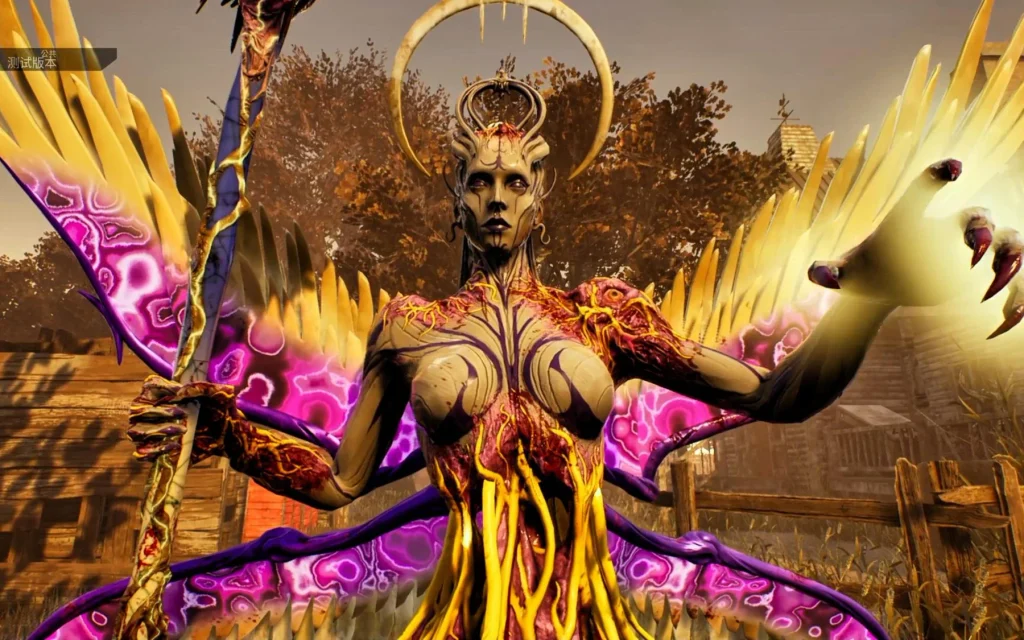
Version updates: The 10.1.0 update introduced a new Killer, The Judgment, whose power, Will of the Gods, includes Divine Light, a controllable beam that applies the Heresy status to Survivors it hits. Heretics face special Skill Checks while repairing Generators. Landing a Good Skill Check causes the Generator to lose some progress. Heretics can repent at Shrines of Judgment to cleanse themselves of Heresy. The 10.1.2 update added The Xenomorph to the 2v8 mode and adjusted balance for Killers like The Judgment and Ghost Face.
The latest 10.2.0 update added a “Survivor Intent System,” allowing Survivors to communicate quickly during matches through preset messages, while also adjusting mechanics for giving up, surrendering, and ending matches early. These changes reflect that, after ten years of operation, Dead by Daylight is still trying to improve communication and match flow between players.
Long-term plans are also worth noting. The developers also announced plans for curated mod support, allowing players to create and share custom maps, modes, and other content. Meanwhile, a visual upgrade plan targeting 2027 is also in progress, including dynamic weather, character model and environment improvements. Additionally, 1v1 and zombie modes are planned. For a game that’s been running for a decade, this is quite a bold promise.
Its Problems Are as Real as Its Charm
Looking only at Steam’s overall rating, the game seems to be doing fine. But these numbers don’t fully capture players’ frustrations with balance, matchmaking, and the community.
Matchmaking has always been a focal point of community controversy. On October 6, the developers admitted that after the new MMR system launched and player ratings were reset, some matches showed large gaps in player skill. The team subsequently adjusted how heavily win and loss streaks influence matchmaking ranges and said they would continue monitoring the effects.
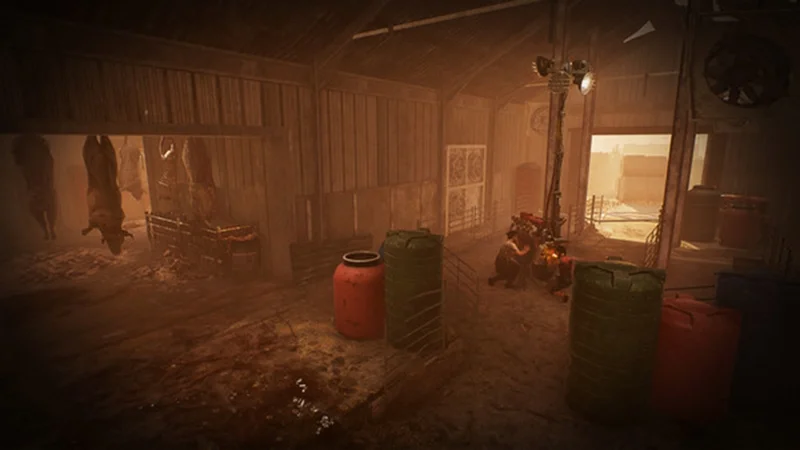
The steep learning curve is another major issue. The meta-progression system (Bloodpoints, perk unlocks) requires significant time investment, and matchmaking doesn’t always guarantee that new players face opponents of similar skill. Tunneling and slugging remain common sources of frustration, particularly for solo-queue Survivors.
Players in certain regions also face a unique problem. In January 2025, Junji Ito crossover cosmetics became unavailable for purchase and use in some regions due to “difficulties in providing the game content to all players.” The controversy prompted more than 3,000 new negative Steam reviews in a single day, and the game’s positive review rate over the following 30 days fell to around 41%. The developers later issued an apology on Bilibili but did not announce a specific solution at the time.
If you’re interested in asymmetric competition and can accept one fact—the core appeal lies in making the right decisions under pressure, not in a perfectly balanced contest —Dead by Daylight remains one of the most distinctive games available. No other game offers this level of cat-and-mouse gameplay, and no other game has brought so many classic horror IPs into one shared universe.
But you need to be prepared for a few things: balance will keep shifting, you may encounter frustrating matchups, and the community atmosphere isn’t always friendly. Ten years on, Dead by Daylight is still a game that’s “loved and hated.” Those who love it are immersed in its unique blend of horror and competition; those who hate it are forever waiting for the next balance patch. But no matter which side you’re on, it’s hard to deny one thing: it truly turned “horror” into a replayable competitive experience—and that alone is worth remembering.
Copyright Notice: All game screenshots, character images, and related assets referenced in this article are the property of their respective rights holders, including Behaviour Interactive. This article is intended for game coverage, commentary, and informational purposes only.
Comments (0)
No comments yet