
Soul Sacrifice Delta Review: A Dark Fantasy Action RPG Still Worth Playing on PS Vita?

Release Date: March 6, 2014 (JP/Asian) | Developers: Marvelous AQL, SCE Japan Studio, Comcept | Publisher: Sony Computer Entertainment | Platform: PS Vita | Genre: Action RPG | Languages: Traditional Chinese, Simplified Chinese, English, Japanese, and more
During the PS Vita’s short lifespan, one title stood apart from everything else on the system with a unique world and a brutal central question: how much are you willing to give up for power? Soul Sacrifice Delta isn’t just another monster-hunting action game — it asks you to sacrifice your own flesh, organs, and even your life in exchange for strength. Every offering has limited uses. Once depleted, it’s gone — you must prepare anew. You can choose to save enemies, or you can choose to sacrifice your companions.

This was one of the first major original titles Keiji Inafune worked on after leaving Capcom and founding Comcept. It’s also one of the few PS Vita games with a bold, distinctive identity that never quite achieved the commercial success its reputation deserved.
What’s New in Delta?
The original Soul Sacrifice was already unique in 2013. But Soul Sacrifice Delta in 2014 pushed that uniqueness to another level.
This isn’t DLC, nor is it an expansion pack. Compared to the original, Delta adds a significant amount of new content and rebalances the core systems, making it widely regarded by players as the most complete version of the series.
Improved Visuals: The original had a darker color palette. Delta enhances color expression and environmental variety — from gloomy dungeons to deserts, icy plains, mountains, eerie churches, and whimsical candy houses. The diversity of settings is dramatically improved.
Expanded Soundtrack: Composed by Yasunori Mitsuda. Delta retains the musical foundation of the original while adding a substantial number of new tracks.
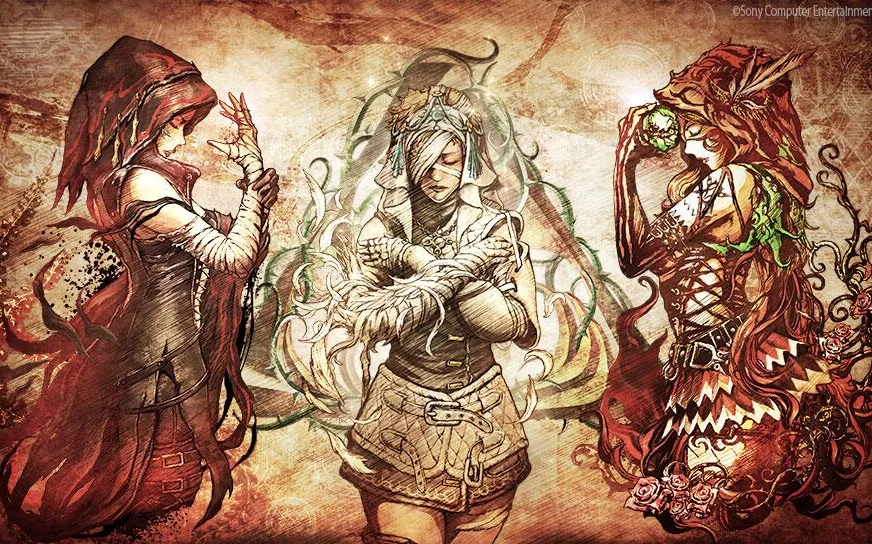
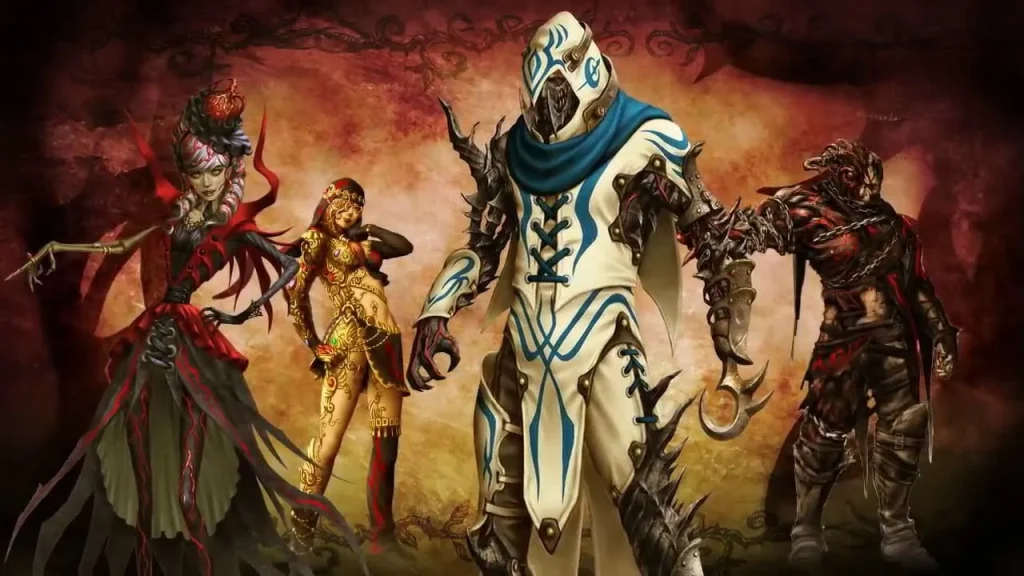
New Factions: The original featured two factions: Avalon (sacrifice) and Sanctum (salvation). Delta introduces a third faction, Grimm — they align with neither sacrifice nor salvation, instead seeking to maintain the balance of the world’s eternal cycle.
Additional Story Content: Adds branching storylines across four chapters in the Merlin arc, plus eight chapters of companion stories. Also introduces procedurally generated levels such as “Alice’s Endless Labyrinth.”
Character Customization: The original had almost no cosmetic options. Delta expands it significantly across three equipment slots — head, torso, and legs — with exclusive color schemes for each faction.
That’s where Delta truly sets itself apart from the original.
Core Gameplay: Every Battle Asks “How Much Are You Willing to Give?”
The combat system revolves around offerings — items used by sorcerers to cast attacks. Offerings include melee weapons, ranged magic, defensive and support types, and more. Using the same elemental attack consecutively triggers an elemental combo state, which amplifies the effectiveness of that element.
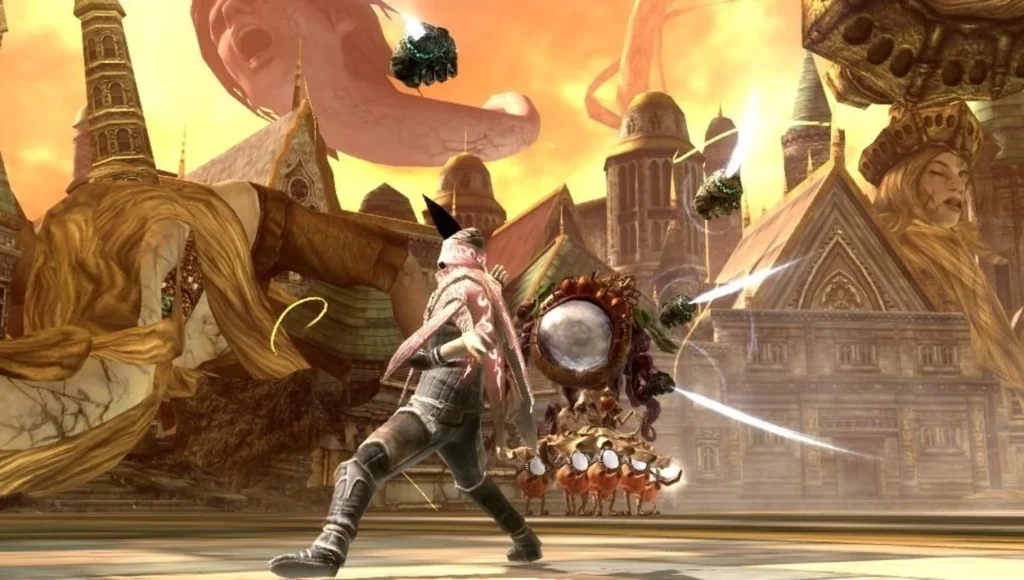
Offerings have limited uses. Once depleted, they’re gone. You can enhance an offering’s max uses by fusing duplicates of the same type, up to a maximum of three stars. The original version’s “throwing build” was overpowered, so Delta rebalances the combat system significantly, placing greater emphasis on strategy.
The Forbidden Arts are a system unique to Soul Sacrifice — using them comes at a cost. Sacrificing different body parts imposes different ability penalties, which affect playstyle and loadout choices. While these penalties can be restored using “tears,” the cost of restoring the same body part increases with each use.
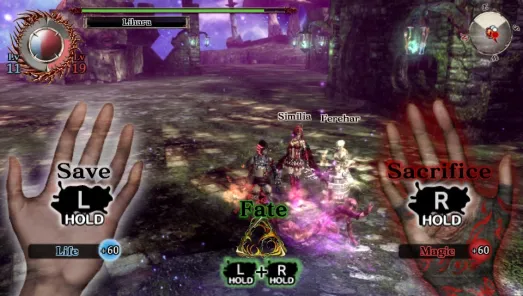
Magic Combo is a new core mechanic introduced in Delta — combining different offerings can trigger combo effects. Alongside various sigil systems, combat becomes more dynamic and worth studying.
Multiplayer: Supports up to 4 players online. The online servers were officially shut down on December 24, 2021. Single-player content remains fully playable.
Every Monster Has a Tragedy Behind It
The story of Soul Sacrifice is widely considered one of the most memorable experiences on the PS Vita.
The narrative revolves around the concept of “eternal return” — a cycle of destruction and rebirth. You play as a young man imprisoned in a cage, about to be sacrificed to Merlin. Through an encounter with the talking grimoire Librom, you relive the memories of past sorcerers and attempt to change your own fate.
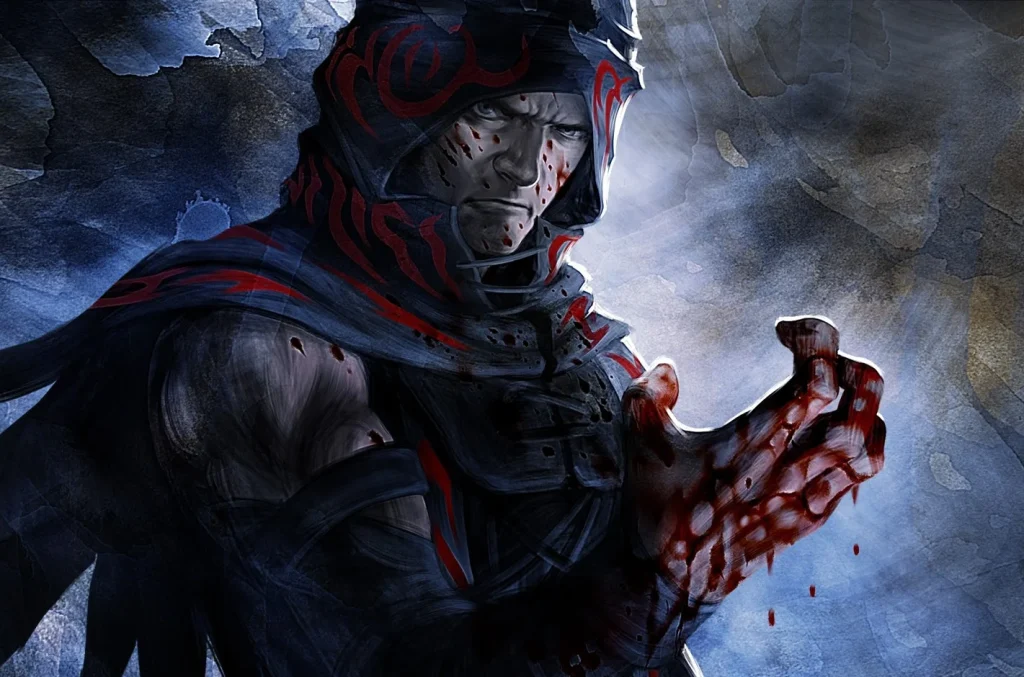
Every monster has its own story, woven into the lore with clues about its weaknesses and origins. Delta adds substantial new story content — the three faction leaders are particularly well-characterized. The new character, Little Red Riding Hood, further expands the game’s dark reinterpretation of classic fairy tales.
Critics, however, point to the story as obscure and difficult to follow. Its themes — cycles, recurrence, and existential philosophy — are not for everyone. But if you can embrace its darkness, it’s the kind of story that stays with you long after the credits roll.
A Living, Breathing Grimoire
The most distinctive artistic choice in Soul Sacrifice Delta is that the entire game feels like a living book.
The UI is seamlessly integrated with the grimoire theme — menus turn like pages, quest lists read like chapters, and even loading screens feel like reading passages. Every battle feels like a page torn from the book.
The voice acting and soundtrack are deeply immersive. Many players feel that the game’s audio design — both music and voice — rivals, and in some cases surpasses, the combat experience itself.
Reception and Current Status
Reviews from major gaming outlets generally agreed that Soul Sacrifice Delta delivers clear improvements over the original in content volume, system balance, and overall completeness. The player community widely considers it one of the PS Vita’s most worthwhile original IPs.
That said, the game remains divisive — its dense narrative, system-heavy combat, and dependence on a discontinued platform make it a niche experience.
The PS Vita was officially discontinued in 2019, and online servers were shut down in 2021. Physical copies are out of print and only available through secondhand markets.
Can You Still Play Soul Sacrifice Delta in 2026?
This is a common question from newcomers.
Hardware: The PS Vita is no longer in production. The console itself is only available through secondhand channels. The PS Vita has no backward compatibility, so it cannot be played on PS4 or PS5.
Game Acquisition: PS Vita digital purchase options are now very limited, and availability varies by region. Physical game cards are only available through secondhand markets.
Single-Player Content: All single-player content — main story, side quests, character progression, etc. — remains fully playable. Online multiplayer is no longer available, but the single-player experience is unaffected.
Emulation: Some players use emulators to play on PC, but this is an unofficial method, and performance varies depending on hardware.
In short: if you have a PS Vita and can find a physical copy, the single-player content is still fully playable.
Who Is Soul Sacrifice Delta For?
Recommended for:
- Players who enjoy dark fantasy settings and heavy narratives
- Those who appreciate “imperfect but unique” game experiences
- Fans of mythology, dark fairy tales, and philosophical themes
- Players willing to study systems and experiment with different loadouts
- Those who enjoy collecting physical editions of niche games
Not recommended for:
- Players seeking fast-paced, mindless action
- Those who dislike dark, oppressive atmospheres
- Players who prefer lighthearted or upbeat stories
- Those who only play mainstream AAA titles
- Anyone without a PS Vita (no port is currently planned)
The Verdict
Soul Sacrifice Delta is a game of clear strengths and weaknesses.
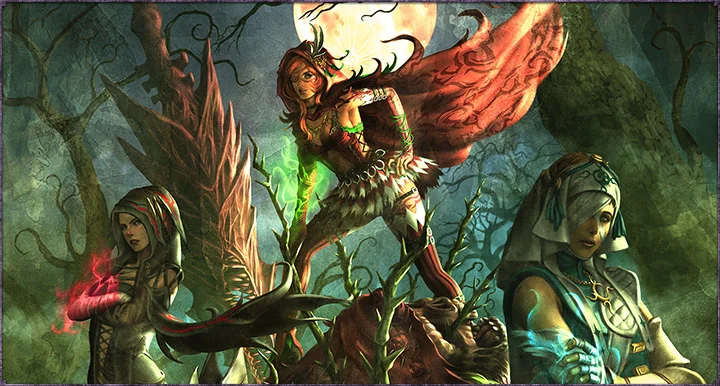
Its story is dark and thought-provoking — every monster carries a tragedy. Its combat is unique and demanding, with the choice between “sacrifice” and “salvation” running through every encounter. Its art direction is unlike anything else on the platform, like a grimoire that breathes.
But it’s not for everyone. Its dense narrative, system-heavy combat, and dependence on a discontinued platform make it a niche experience by design.
If you want to experience it, you’ll need a PS Vita and a used copy of the game. But if you’re willing to open that book, you’ll find a story about sacrifice, fate, and choice — the kind you won’t find anywhere else.
Copyright Notice: All game screenshots, character images, and related materials referenced in this article are the property of Marvelous AQL, SCE Japan Studio, and Sony Computer Entertainment, and are used for game introduction, review, and informational display purposes.
Comments (0)
No comments yet