
The Witcher 3: Wild Hunt Remastered — When “Free” Becomes the Most Expensive Gift

On September 29, 2026, CD Projekt RED released The Witcher 3: Wild Hunt Remastered.
This isn’t a new game — it’s a free upgrade for eligible existing owners. Eligible versions on PC, PS5, and Xbox Series X|S can be upgraded for free; owners of the original Switch version can also get the Switch 2 version at no cost. The remaster also includes both Hearts of Stone and Blood and Wine expansions.
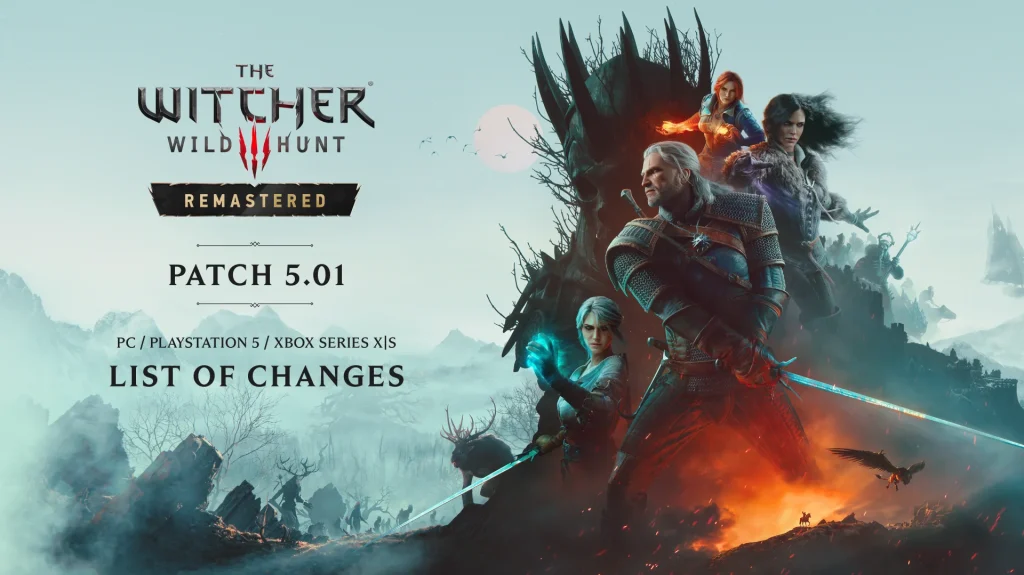
Free. It was the word at the center of CDPR’s marketing campaign. But in the nearly two weeks after launch, it also sparked a debate about the limits of a free upgrade.
Players Came Back, But Does That Count as Success?
Judging by Steam’s concurrent player numbers, players really did come back. On October 4, the game’s concurrent player count peaked at 137,724, setting a new all-time record. But that only proves the remaster drew a lot of renewed attention; whether players stick around long-term will take more time to judge.
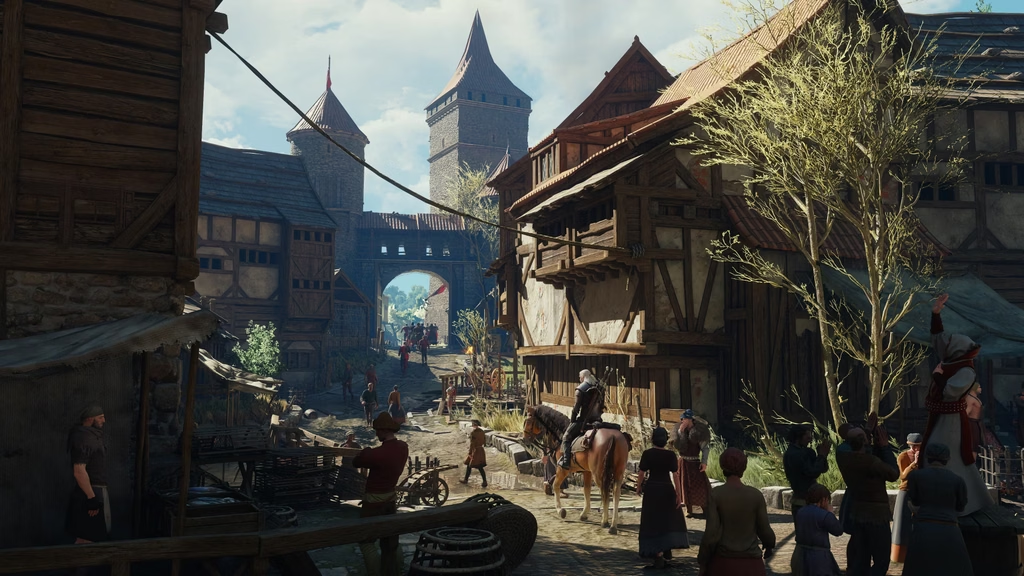
Critical reception was strong, with high scores on OpenCritic and Metacritic and most reviewers recommending the remaster.
Player reception was another matter. Player reviews were sharply divided, with the share of negative reviews noticeably higher than the game’s historical average. Many players voiced dissatisfaction on Steam, focusing on technical issues. It’s worth noting that Steam’s lifetime rating, recent rating, and reviews posted after the remaster launched reflect different time periods and shouldn’t be conflated. The renewed interest was real, but player satisfaction was clearly mixed.
The Cost of the Upgrade
The performance cost of path tracing. According to Digital Foundry’s tests under specific conditions, enabling path tracing reduced frame rates by roughly 60% to 67% indoors and about 51% outdoors. These figures come from specific hardware and settings and won’t be the same on every configuration. For players chasing high frame rates, this is a performance trade-off that’s hard to ignore.
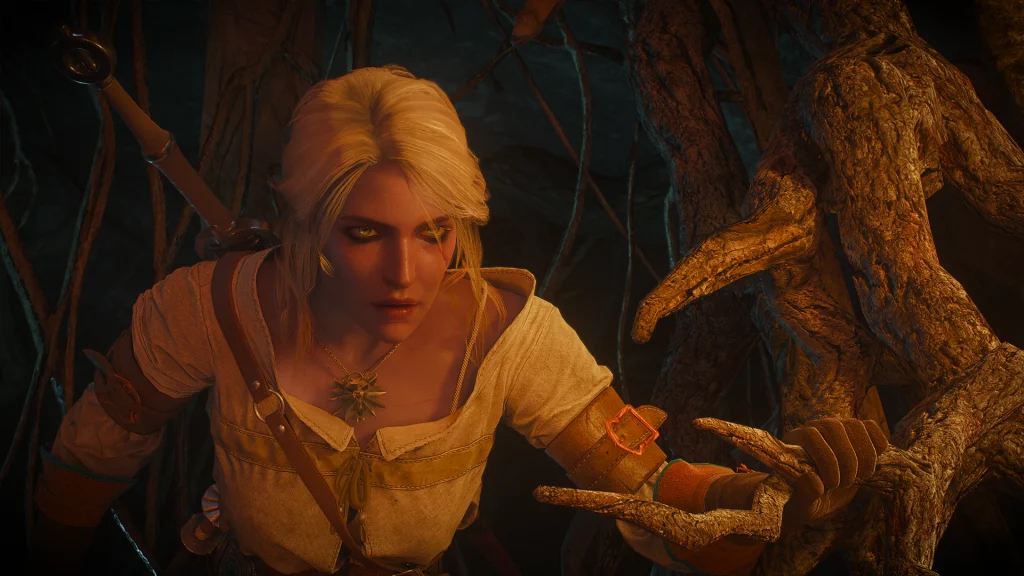
The HairWorks controversy. CDPR confirmed that a change in the remaster caused some players to encounter significant performance and visual issues when enabling NVIDIA HairWorks. One player reported their frame rate plummeting after turning on HairWorks. Geralt’s hair became an ironic symbol of the remaster’s performance problems.
Visual style changes. The remaster redesigned the lighting system, material handling, and rendering pipeline, but not all players accepted these changes. Some reported blurry visuals, ghosting, overexposed lighting, and washed-out colors. One player used the phrase “Demake statt Remaster” in a Steam review. AMD GPU users also ran into graphical glitches before new drivers arrived.
Saves and stability. Some players reported save issues, and the PS5 version suffered frequent crashes, with one player calling it the most crash-prone game since Cyberpunk 2077.
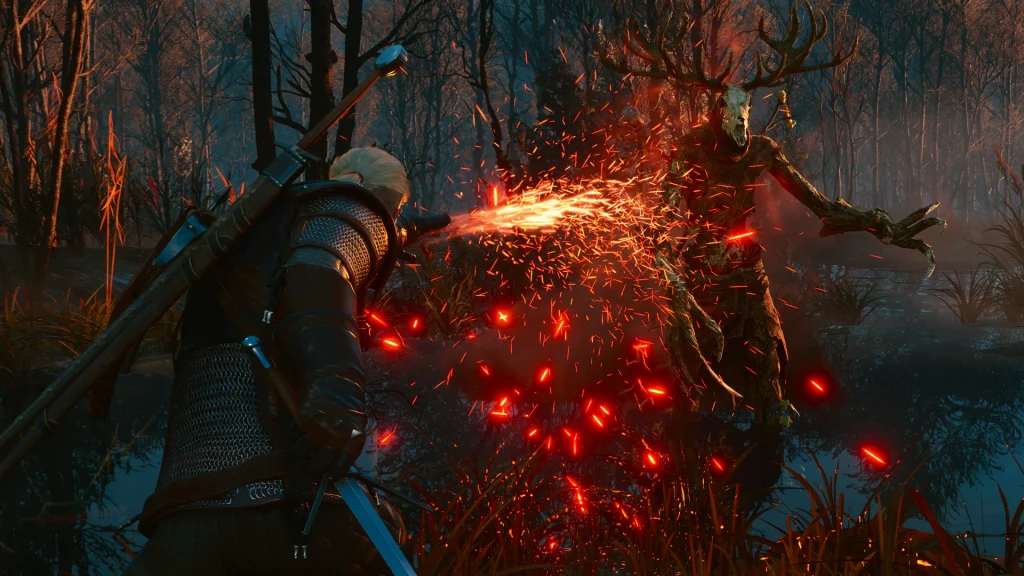
CDPR responded relatively quickly. Two days after launch, a PC hotfix reverted the change that caused severe performance and visual issues for some players using HairWorks, and adjusted lighting and visuals in some areas. Later, patch 5.01 rolled out on PC, PS5, and Xbox Series X|S, continuing to adjust bloom, tone mapping, character lighting, and ray tracing effects, while fixing multiple issues. As of this writing, however, the Switch 2 version had not yet received the same update, and CDPR said it would later improve that version’s clarity and sharpness.
In its post-patch assessment, Digital Foundry noted that the differences from the previous version had become more subtle, with the remaster offering more balanced tone mapping. But DF also noted that the remaster still needs further optimization before it can be called a true “definitive edition,” and some ray tracing features still carry a high CPU cost. CDPR itself said it was still investigating other issues on consoles.
What Did the Free Upgrade Change?
For a large RPG that’s been out for years, offering a free upgrade covering visuals, combat, and systems is undeniably appealing. But free doesn’t mean players have to accept every problem that comes with it. CDPR didn’t charge existing owners anything, and the Switch 2 version is free for original Switch owners. From that angle, the criticism isn’t about whether the remaster is worth paying for again — it’s about whether technical issues after a free upgrade have damaged the experience players already knew.
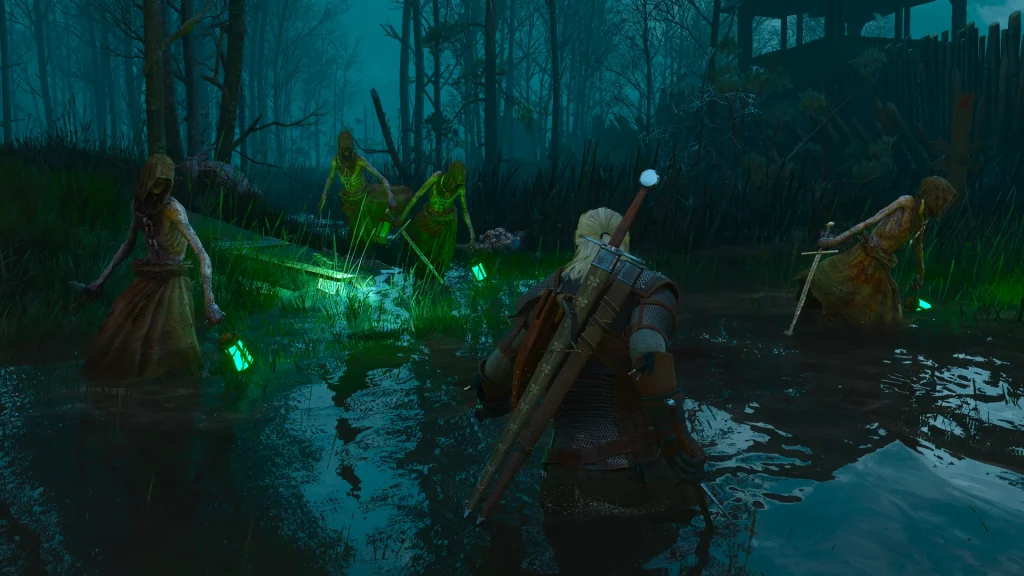
But free made the controversy more complicated.
Players don’t lower their standards just because something is free. A game that had run reliably for years was updated for free, only for some players to find that the new version performed worse and looked noticeably different. The remaster didn’t make the old version disappear entirely, but the default update still changed the experience for many players when they opened the game. Version rollback options also vary by store: Steam and GOG support reverting to earlier versions, while Epic Games Store does not. Console players have no equally convenient way to switch back to an earlier version. For those who just want to keep playing the version they know, the free update isn’t necessarily something they can easily opt out of.
“Free” and “good” are two different things. CDPR’s strategy is clear: bring lapsed players back and give newcomers an entry point into The Witcher series. But whether that strategy works ultimately depends on the quality of the upgraded experience.
Is It Worth Replaying Now?
Setting aside the technical controversy, the remaster does bring some substantial improvements.
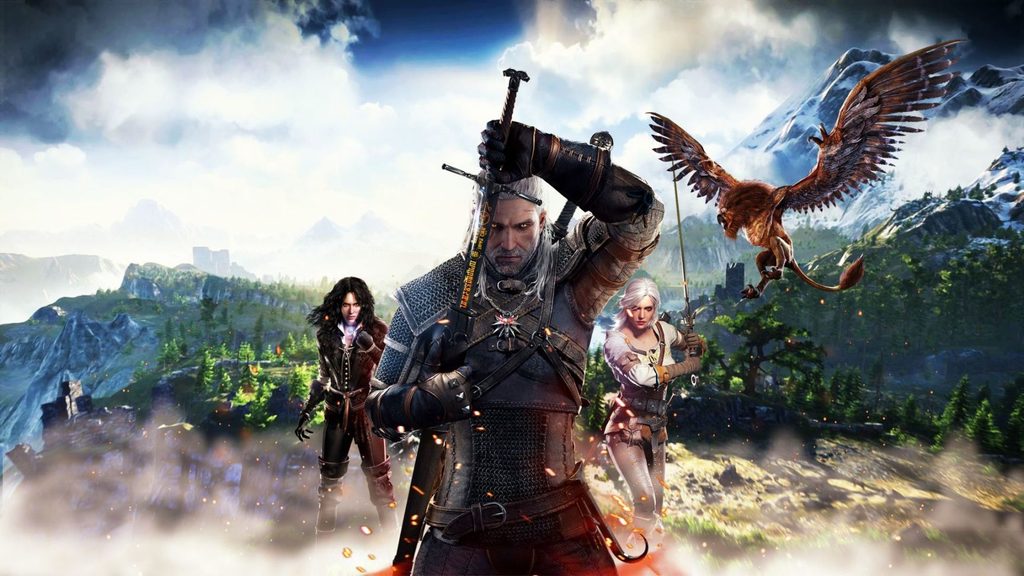
The combat system has been rebalanced, and the skill tree has been reworked. Camera controls, movement, and horseback handling have also been refined. Other additions include weapon and armor transmog, an expanded photo mode, new finisher animations, and cross-platform mod support. One review specifically mentioned a new armor quest set in an area never before seen on the map.
And the 2022 next-gen update had already given The Witcher 3 a solid modern version. The remaster takes the visuals a step further. Its path-traced lighting looks more realistic than the lighting in the original release, particularly indoors and in shadowed areas where bounced light is more noticeable.
If you already have a stable old version on PC, there’s no need to switch immediately just for path tracing. If you want to experience the reworked combat, skill tree, and visuals, you can try the remaster, but it’s best to choose graphical settings that suit your hardware. Console players should keep an eye on patch progress for each platform.
Digital Foundry may have offered the fairest assessment, noting that despite the performance issues, CDPR’s continued investment in polishing this classic RPG was still commendable, especially given that the upgrade was free to existing owners.
It’s October 2026, and 11 years have passed since The Witcher 3 first launched. The game has sold tens of millions of copies and become a benchmark for the RPG genre. Over the next three years, CDPR plans to bring the franchise back into the spotlight with a remaster, a new expansion, and The Witcher 4.
But those achievements don’t mean the free upgrade has offset the cost of launch technical issues. The wave of negative launch reviews and the substantial frame-rate losses seen in path-tracing tests remain hard to ignore. CDPR even had to patch a HairWorks issue involving Geralt’s hair—an ironic footnote to the launch.
The remaster is the first step in that plan, and it’s not a perfect start. The next projects, Songs of the Past and The Witcher 4, need more than a reason to bring players back — they need to convince players that their upcoming releases will be stable and dependable.
Copyright Notice: All game screenshots, character images, and related assets referenced in this article are the property of their respective rights holders, including CD Projekt RED. This article is intended for game coverage, commentary, and informational purposes only.
Comments (0)
No comments yet