
Prototype: Why It’s Still One of the Most Unique Open-World Action Games Seventeen Years Later

Developed by Radical Entertainment and published by Activision, Prototype launched in North America for PS3, Xbox 360, and PC on June 9, 2009.
When you come to, you’re lying on an autopsy table in a morgue. You don’t remember who you are or where you are. The only clue is a name: Alex Mercer. Then you discover your body can transform. Your arms can become blades, hammers, whips. You can leap from dozens of stories up, crater the ground on impact, and stand up without a scratch. You can run up vertical walls as if they were flat ground. You can jump onto a helicopter and tear it apart with your bare hands.
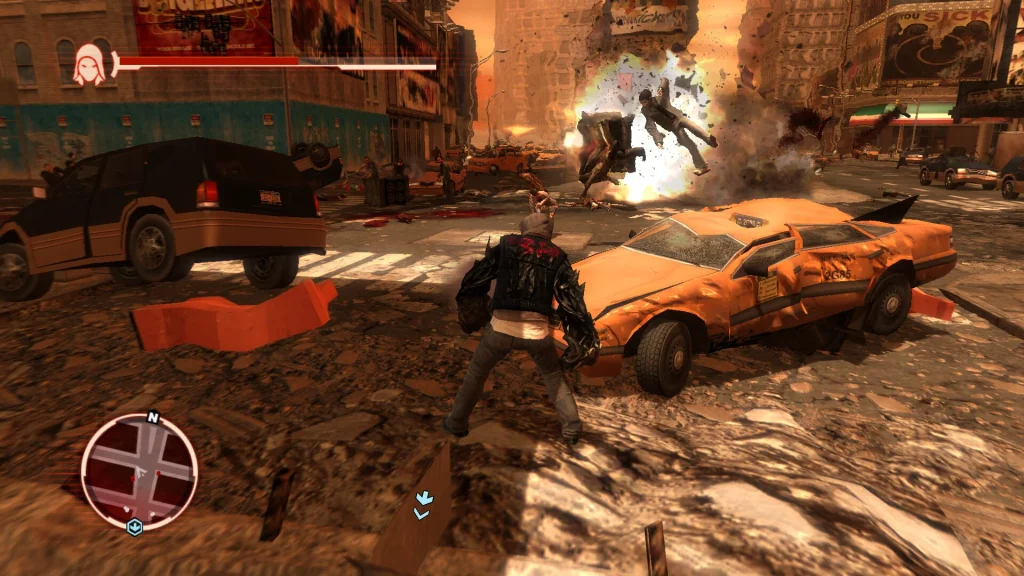
The city is Manhattan. It’s being consumed by a viral outbreak. The streets are full of monsters, soldiers, and panicked civilians. And you’re the only one who can move freely between all three.
You’re Not Playing a Person—You’re Playing Something Else Entirely
Most action games cast you as a “person”—someone with a past, motivations, and limits. You might lose your memory, but deep down you’re still a good guy.
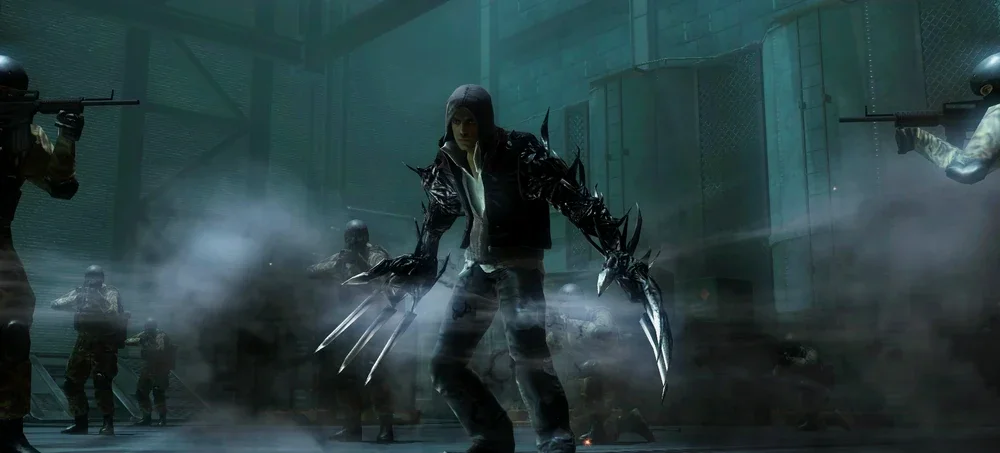
Prototype isn’t that.
Spoilers for a major plot twist ahead.
The Blacklight virus rebuilt Mercer’s body after his death, inheriting his appearance and memories. For a time, it believed itself to be the original Alex Mercer. But you’re not him. You’re something new, born from death.
This premise defines the entire game’s narrative tone. You’re not killing your way toward the truth—you’re uncovering, as you kill, that you might be the source of the catastrophe itself. Your emotional conflict isn’t “how do I win?” It’s “should I even exist?”
The Transformation System Still Has Few Rivals
Prototype’s core gameplay makes you genuinely feel that your body is a walking arsenal.
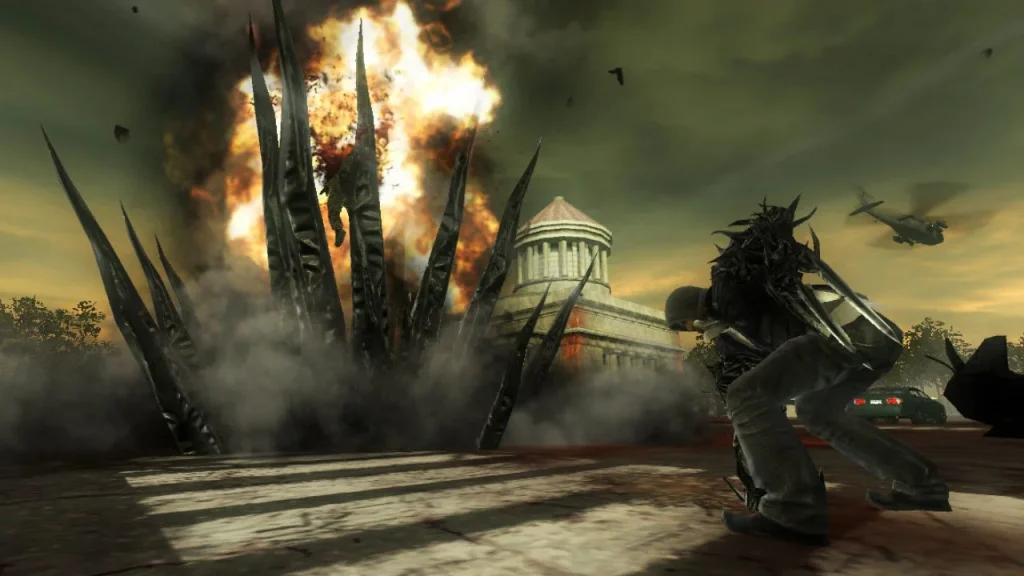
You can switch between several combat forms: blades for quick slashes, hammerfists for heavy, wide-area attacks, the whipfist for long-range strikes and grabs, and claws for fast, close-quarters combat. You can also project a shield to block rockets or layer on biological armor to tank bullets. You can switch between these forms on the fly, without stopping to navigate a menu. Attacks, movement, and transformations flow together, keeping combat fluid.
Even more unhinged is the “consume” system. By absorbing enemies, you can take on their appearance, memories, and abilities. You can disguise yourself as a soldier to infiltrate a military base, or absorb specific researchers and military targets to gain intelligence or unlock particular abilities. You’re not “collecting items”—you’re devouring information from the world around you.
Manhattan Is a Vertical Playground
Prototype’s parkour system turns movement itself into entertainment.
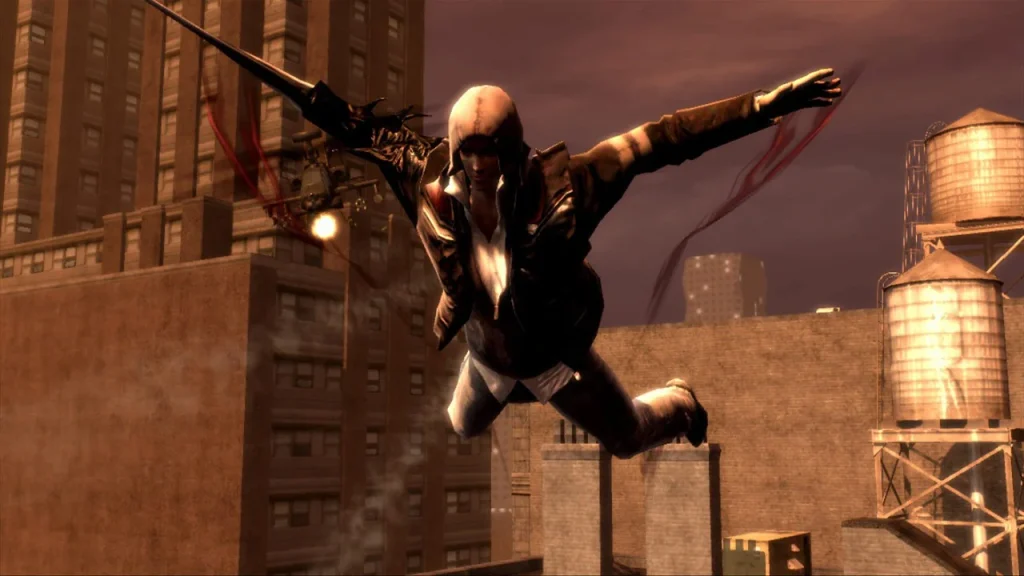
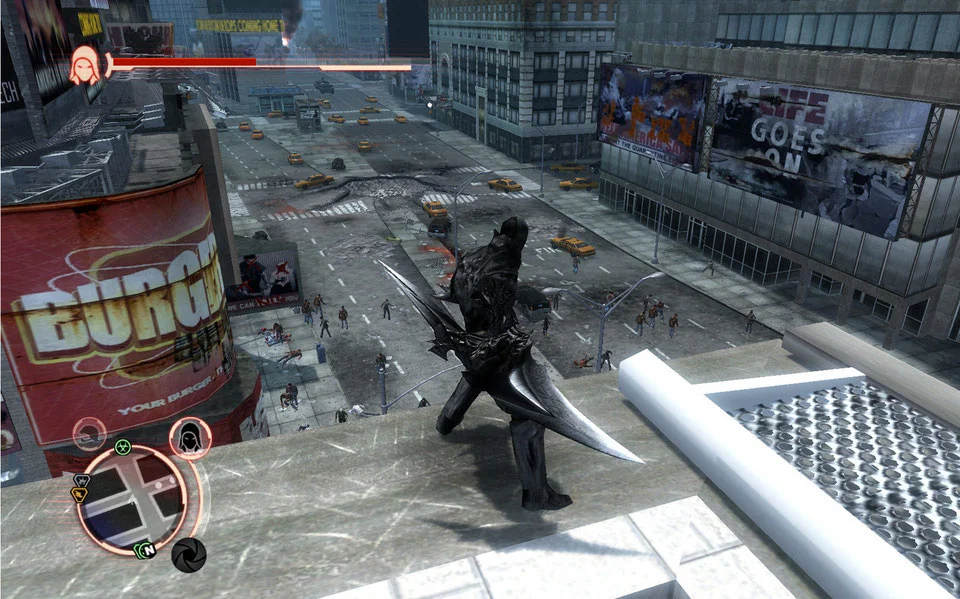
You don’t need stairs. You don’t need elevators. You jump onto a wall and run up it. You jump onto a tank, onto a helicopter, onto the roof of a skyscraper—then leap off, crash into a crowd, and unleash a devastating ground slam. Manhattan is designed as a three-dimensional space, and you’re the only being who can fully exploit it.
Combined with the transformation system, this produces an incredibly pure power fantasy. You’re not sneaking around or hiding behind cover. You’re in a city, causing chaos in every way imaginable.
Seventeen Years Later, It’s Still Unique
Prototype isn’t a perfect game. Its mission design becomes noticeably repetitive in the later stages, its visuals have aged, and the PC version can suffer from crashes, frame-rate problems, and resolution issues on some modern systems. The fixes needed, if any, depend on your system, so check recent Steam community reports before buying.
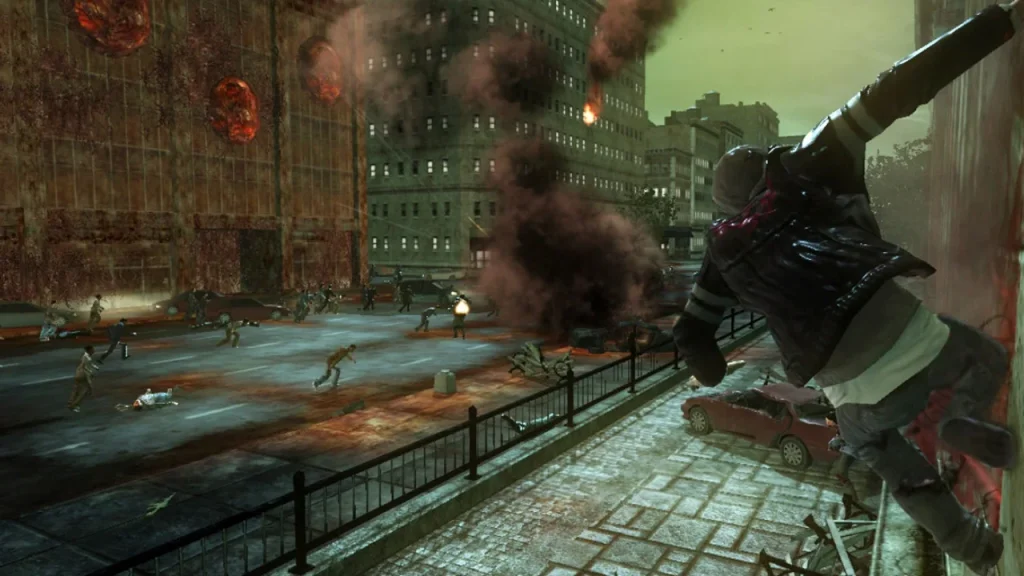
But its core experience has few equals even today. You’re not playing a hero—you’re not even playing a human. You’re a self-aware virus, gradually realizing as you search for answers that you might be the problem itself.
This combination of narrative premise, transformation system, and parkour freedom makes Prototype a game worth remembering despite its flaws. Open-world action games have evolved a lot over the past seventeen years, but few have managed to make movement and transformation feel this fluid, this free, and this gloriously unreasonable.
If you’ve never played it, it offers a perspective few other games provide: you’re not saving the world—you’re deciding whether you want to be part of it at all.
If you have played it, you probably still remember the first time you jumped off a rooftop and cratered an entire street. That feeling hasn’t been replaced, seventeen years later.
Copyright Notice: All game screenshots, character images, and related assets referenced in this article are the property of their respective rights holders, including Radical Entertainment and Activision. This article is intended for game coverage, commentary, and informational purposes only.
Comments (0)
No comments yet