
The Coma 3: Bloodlines Review – Ten Years Later, Youngho, Mina, and Teacher Song Finally Reach the End

Release Date: April 30, 2026 | Developer: Dvora Studio Co., Ltd. | Publisher: Headup, Thermite Games | Platforms: PC (Steam, Epic, GOG), PS4, PS5, Xbox One, Xbox Series X|S, Nintendo Switch (June 16, 2026) | Genre: 2D Survival Horror Adventure | Price: ~$8 USD on Steam | Languages: Simplified Chinese, English, Korean, Japanese, and more
In 2015, Youngho woke up in a classroom, and Sehwa High School had turned into hell. In 2026, the series has finally reached its ending, bringing its familiar characters with it. The Coma 3: Bloodlines isn’t just another sequel — it’s the final chapter of the entire story.
Steam currently rates it as “Very Positive,” with around 85% positive reviews (as of August 2026). After ten years, the Coma series has finally arrived at its finale. Youngho, Mina, and Teacher Song all converge in this single narrative.
The Final Chapter: From Sehwa High to the Streets of Seoul
The Coma 3: Bloodlines takes place after The Coma 2B: Catacomb, reuniting the three familiar characters in a single main storyline. This time, the story is no longer confined to Sehwa Private High School — it expands into the broader streets of Seoul.

The key theme this time is “Bloodlines.” The story revolves around bloodlines and family secrets, further unraveling the intertwined mysteries of Korean shamanism, curses, and urban legends. The Sehwa Foundation, the Ghost Militia, and the truth behind the Coma itself — many of the loose threads introduced in the first game are finally addressed here.
For series fans, this is a decade in the making. For newcomers, the game includes a recap of previous events, so you won’t be completely lost.
Three Protagonists: Different Playstyles, Different Dangers
This is The Coma 3‘s biggest change — three playable protagonists. Youngho, Mina, and Teacher Song each take the spotlight in rotation for the first time.
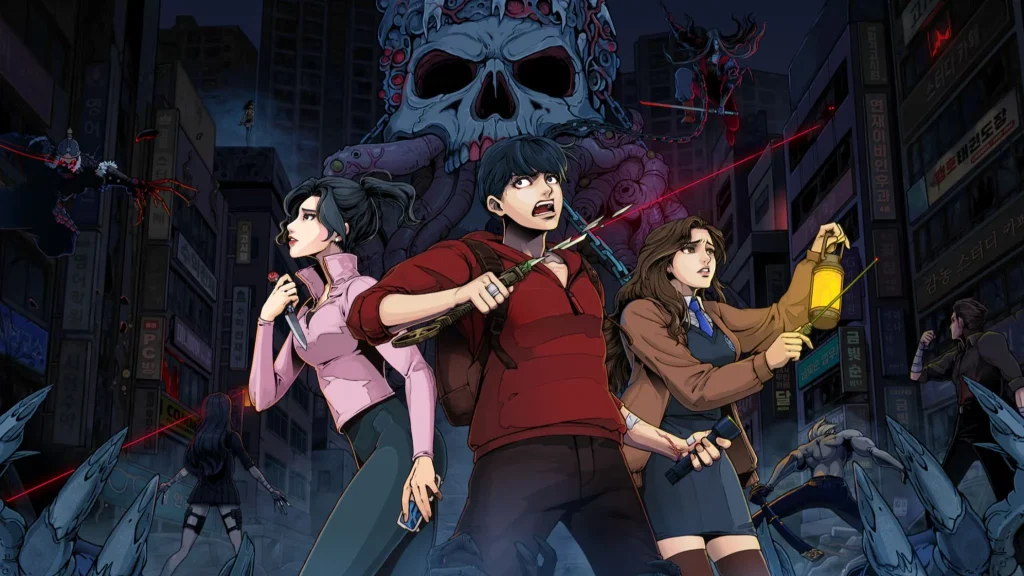
Youngho: The protagonist of the first game, now taking on the combat role. He can perform melee attacks, but the attacks have a noticeable wind-up and don’t feel particularly responsive. One player complained, “The attacks have such a long wind-up that I got killed several times because of it.”
Mina: The protagonist of the second game, now focused entirely on hiding and escape. She can’t fight and instead relies on stealth and the environment to evade enemies. Her rhythm is “run, run, and keep running” — one mistake can send you straight back to the last save point.
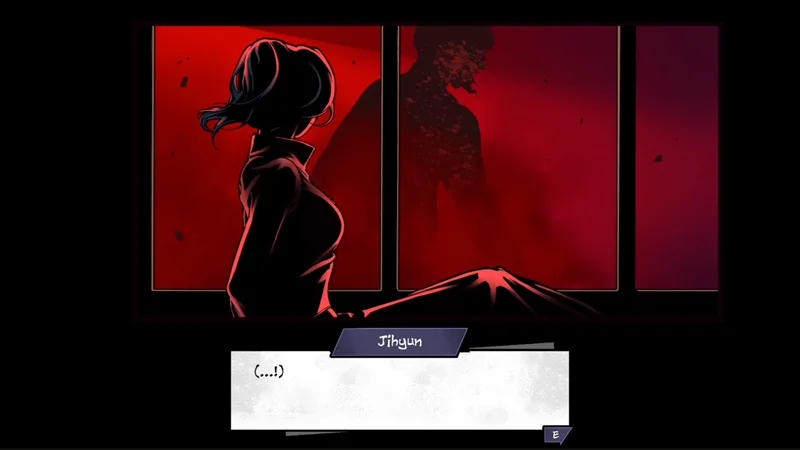
Jihyun (Teacher Song): A former ghost-like figure from previous games, now a playable character with support and special abilities. She can use traps, temporary invisibility, and other tools to turn the chase in her favor. One player called her “a VIP experience pass — the tension drops instantly.”
Switching between three protagonists can make the pacing feel fragmented — just as you get used to one character’s playstyle, you’re suddenly forced to switch. This is the game’s biggest design controversy. On the flip side, the three-protagonist system also adds replay value, as different characters offer different perspectives and clues; to piece together the full story, you may need to play through multiple times.
Now You Can Fight Back, But You Probably Shouldn’t
The Coma series has traditionally been centered on “run and hide.” This time, that changes — Youngho can finally swing a weapon in retaliation.
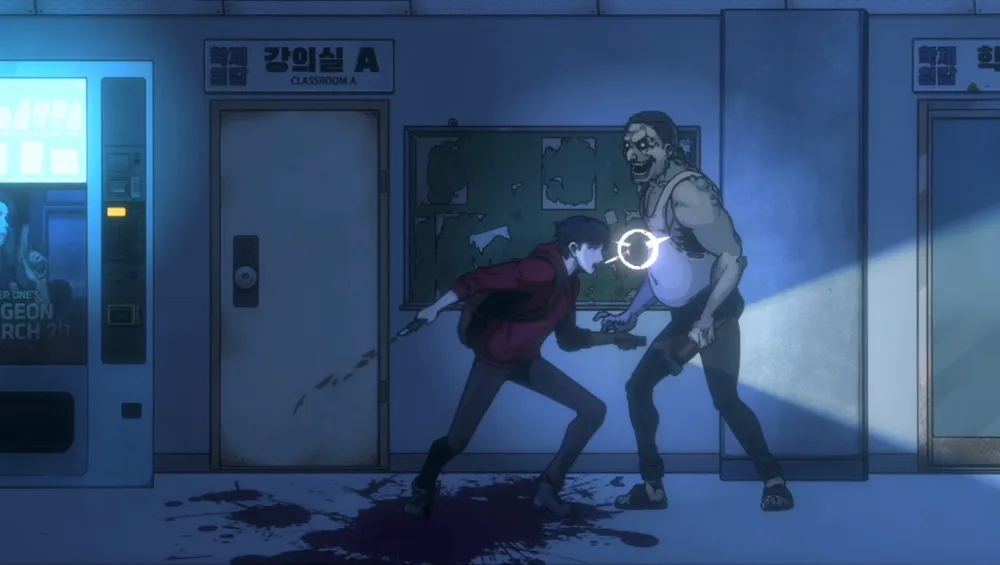
But don’t get too excited — combat is only a supplementary tool, not the core gameplay. Most of the time, you’ll still be crawling under beds and hiding in lockers. It’s just that when you’re forced into a confrontation, you finally have an option to strike back.
The map design is tighter and more “sinister” than before. Narrow spaces like apartments and shopping malls, with shelves creating cramped corridors, deliver a palpable sense of anxiety when you’re being chased — that feeling of “can’t run fast enough, can’t hide well enough” is executed effectively.
The game introduces four new bosses, each tied to Korea’s cursed history and legends. Each boss has different attack patterns that require specific strategies. However, the transition between regular exploration and boss fights can feel abrupt — you’re quietly exploring one moment, then suddenly thrown into a boss encounter without much warning.
The traversal sections are decent overall, but sharp turns feel slippery and imprecise. Hiding spots are more varied (lockers, under beds, shadowy corners), but the feedback on whether you’re actually hidden isn’t always clear.
Art and Sound Remain the Series’ Strong Suits
Dvora Studio has been crafting the Coma series for over a decade, starting with the original in 2015. The art style has been distinctive from the very first game — grim tones, distorted character designs, and Korean school/urban settings.
This installment maintains that style and refines it further. The “mirror dimension” concept of the Coma world is conveyed through visual differences — the real world leans toward cool tones, while the Coma world leans toward a dark, reddish hue.
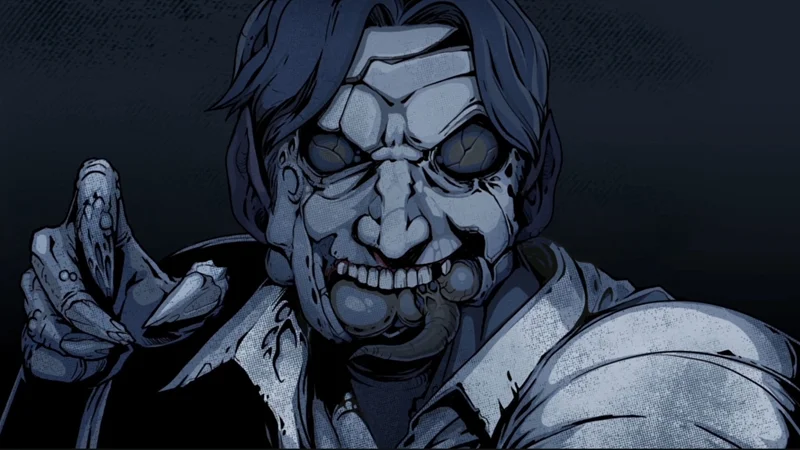
Sound design is an understated strength. Enemy footsteps and breathing are directional and clear, allowing you to locate enemies by sound and plan escape routes in advance. However, there are minor issues: sometimes the audio cuts out for a few seconds, then suddenly blasts back in.
Issues Worth Noting
Bugs and technical issues. Some players reported items disappearing, and QTEs failing to register inputs. The development team is still pushing updates, but there are still some lingering technical issues that need further fixes.
Relatively short length. The main story takes about 5–6 hours. Whether that’s worth the price depends on your attachment to the series.
Save point scarcity. Some areas have too few save points, forcing you to re-run long stretches after death.
Character switching can disrupt the pacing. As mentioned, this is the most contentious design choice. Some players appreciate the intertwining narrative; others feel interrupted just as they’re getting into a rhythm.
Is It Worth Playing?
$8, 5–6 hours, the end of a decade-long series.
For longtime fans: this is a finale that’s hard to skip. The payoff of decade-old plot threads, the reunion of three protagonists, and Youngho’s arc from a frightened boy to a capable fighter — these are the kinds of emotional connections that numbers can’t measure. One player said, “When I finished the perfect ending and watched the credits roll, I felt like a chapter of my youth had truly closed.”
For newcomers: It’s better to catch up with the previous games first. While this installment includes a recap, the emotional weight comes from a decade of buildup. Jumping in at the finale might leave you wondering “that’s it?”
Not recommended for: Players with zero tolerance for bugs, those expecting groundbreaking innovation, or budget-conscious players with no prior attachment to the series.
The Coma 3: Bloodlines isn’t a perfect finale — it’s short, it has bugs, and its character switching can feel jarring. But it is a finale that gives the series a genuine sense of closure. A niche indie series that started on Kickstarter, lasted ten years, and reached its conclusion. For that alone, it deserves to be remembered.
Copyright Notice: All game screenshots, character images, and related materials referenced in this article are the property of Dvora Studio Co., Ltd. and Headup, and are used for game introduction, review, and informational display purposes.
Comments (0)
No comments yet