
Gravity Rush 2 Review: Kat’s Final Leap Is the Series’ Most Graceful Farewell

Release Date: January 18, 2017 (EU) / January 19, 2017 (JP) / January 20, 2017 (NA) | Developer: SCE Japan Studio | Publisher: Sony Interactive Entertainment | Platform: PS4 (exclusive) | Genre: Action-Adventure | Price: Digital ~$20 USD (regional pricing may vary) | Languages: Traditional Chinese, Simplified Chinese, English, Japanese
Gravity Rush 2 is more than just a sequel — it’s the final chapter of Kat’s journey. Picking up right where the first game left off, Kat, Raven, and Syd are drawn into a brand-new floating city: Jirga Para Lhao. This time, the story isn’t a series of episodic “amnesiac girl saves the city” arcs — it’s a long-running narrative about identity, sacrifice, and farewell. If the original Gravity Rush was an improvisational performance that caught everyone off guard, this sequel is a carefully orchestrated finale that ties up loose ends and delivers a proper sendoff.

The first time I switched to Lunar Mode, I realized just how different this sequel feels from its predecessor — that lightness, that floating sensation, completely changed the rhythm of combat.
From “Falling” to “Flying” — Gravity Gameplay Evolves Into Something Completely New
The first game’s core thrill was “falling” — shifting gravity’s direction and diving toward targets from above. The sequel introduces three gravity modes that fundamentally change how you explore and fight:
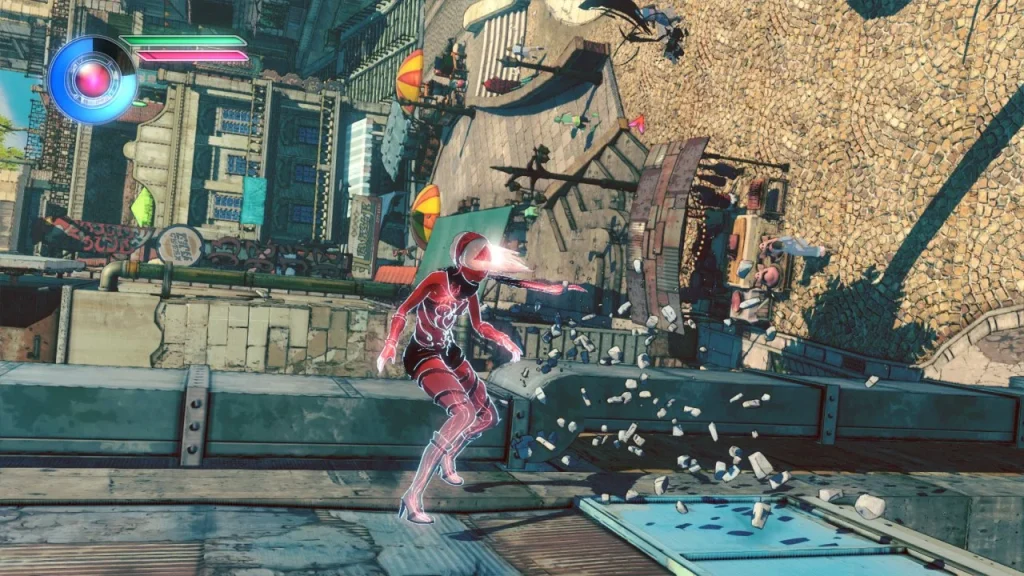
- Normal Mode: Keeps the original movement system intact — gravity kicks, sliding, and wall-running all return
- Lunar Mode: Lighter gravity, extremely high jumps, agile movement — ideal for small, fast enemies
- Jupiter Mode: Heavier gravity, slower movement but massively increased attack power — a charged drop can wipe out groups in one hit
Against different enemy compositions, you’re no longer limited to spamming the same gravity kick. You need to switch between modes like swapping weapons, finding a rhythm between lightness and weight. The map is also significantly larger than before. Jirga Para Lhao’s vertical layering — from the slums at the bottom to the aristocratic districts above the clouds — turns the act of “falling” into a journey across an entire world.
Art and Music: A Distinctive Visual Style That Still Stands Out
Moving from PS Vita to PS4, the visual leap is dramatic. Every corner of the floating city looks like it was painted — floating cube clusters, dreamlike mining zones, deep-sea wonders, and the iconic finger-shaped cylindrical structure that dominates the skyline. The original’s comic-book-style cutscenes return and are upgraded: paneling, speech bubbles, onomatopoeia — all hand-drawn, but now with smoother frame rates and richer detail.
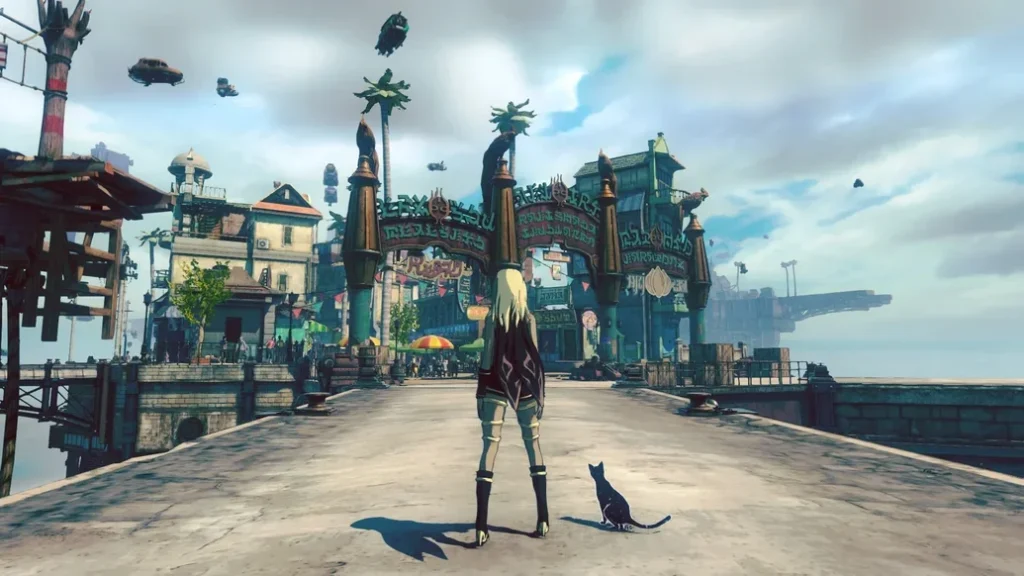
Composer Kohei Tanaka returns with a grander score. Different districts of Jirga Para Lhao carry their own thematic melodies — the lower levels feel heavy and industrial, while the upper levels resonate with orchestral loneliness. When Kat dives from the sky, wind roaring and music swelling — if you played the original, that feeling stays with you.
Combat Still Has Flaws, but They’re Not the Same Ones
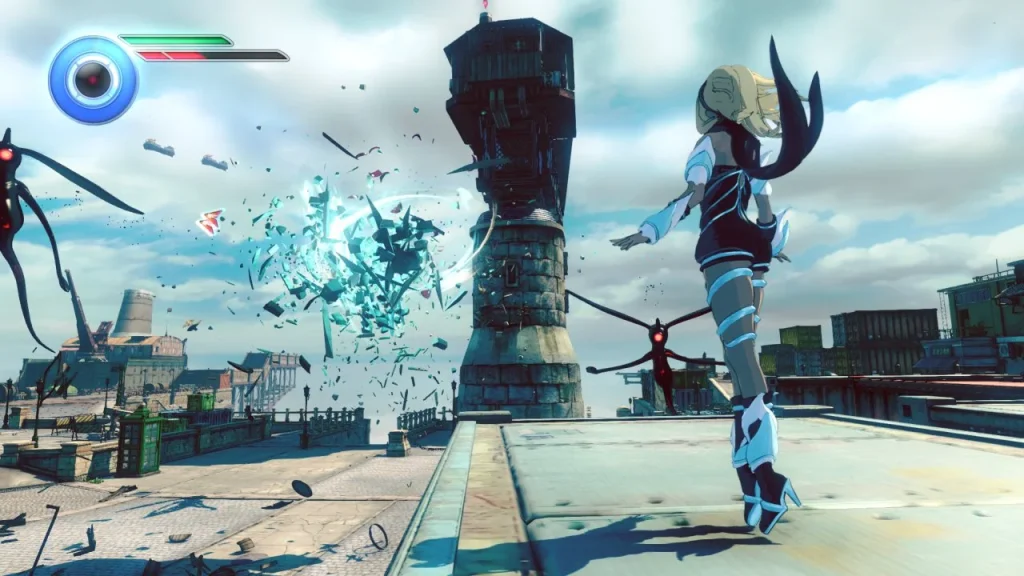
The biggest issue with the first game was combat — gravity kick after gravity kick, monotonous and repetitive. The sequel improves significantly: three gravity modes, more enemy types, and richer boss fights. IGN praised the sequel’s gravity mechanics for expanding on the original rather than simply repeating them.
But new problems emerge. The biggest new issue is the camera. Locking onto enemies, switching modes, adjusting direction — the controls themselves are already complex. And the camera often struggles in tight spaces. Some players have also criticized the camera, especially when attacks miss and enemies become difficult to track during chaotic fights.
Story: Addressing the Mysteries Left Behind
The first game’s biggest narrative weakness was leaving too many questions unanswered. Who is Kat? What are Dusty and the crow? What lies at the top of the World Pillar? Most of these core mysteries remained unsolved. Gravity Rush 2 addresses the majority of them.
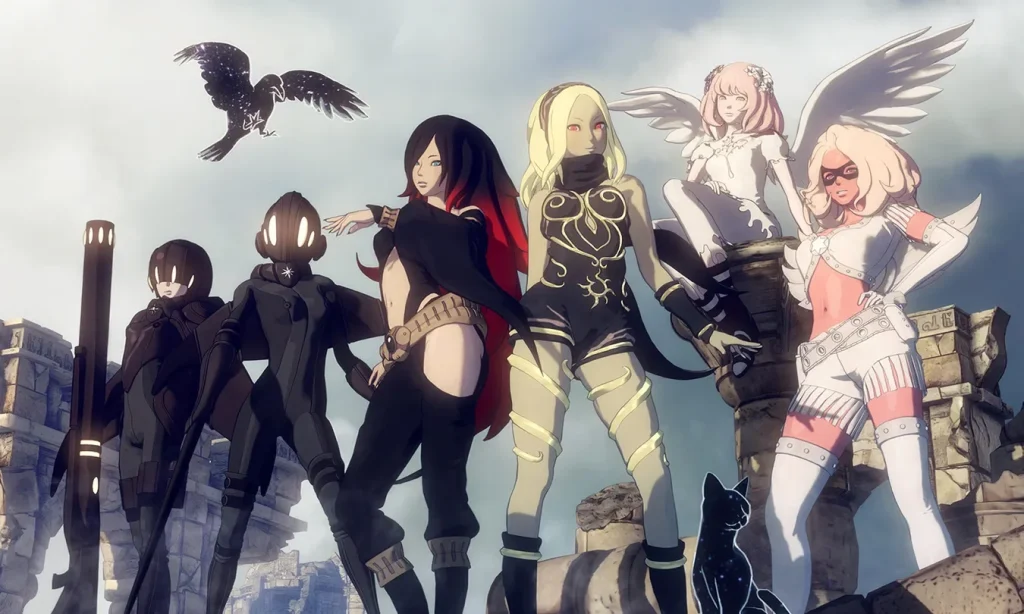
Kat’s origins are revealed. Raven’s past is clarified. The truth behind the World Pillar, the source of the gravity storms, even the black cat Dusty’s background — most of the key questions find their answers. What stays with you isn’t the answers themselves — it’s the feeling that the series is finally saying goodbye. The entire second half carries that atmosphere. The main story is significantly longer than the original, side quests are more numerous and well-designed, and a substantial epilogue awaits after the credits.
No spoilers for the ending. But if you played the first game, if you care about Kat, the final cutscene will resonate.
Sales and Reception
According to Famitsu, Gravity Rush 2 sold approximately 69,000 copies in Japan during its opening week. In the UK, it debuted at number 16 on the sales charts. For a Sony first-party IP sequel, those numbers were relatively modest. But it was never a game designed to please everyone. Over time, it earned a devoted fanbase and is still regarded by many as one of the most distinctive action games of the PS4 era.
Metacritic score: 80. IGN: 8.4. GameSpot: 9.
Who Is Gravity Rush 2 For?
Recommended for:
- Players who finished the first game and want to see the story through
- Those who enjoy unique mechanics and can embrace “imperfect but fascinating” experiences
- Fans of striking art direction and memorable soundtracks
- Players who can tolerate camera quirks and occasionally frantic combat
Not recommended for:
- Those who haven’t played the original — start with Gravity Rush Remastered first
- Players seeking precise, hardcore action controls
- Those prone to motion sickness or sensitive to fast camera movement
- Anyone expecting flawless narrative logic (it has heart, but it’s not airtight)
The Verdict: Is It Worth Playing?
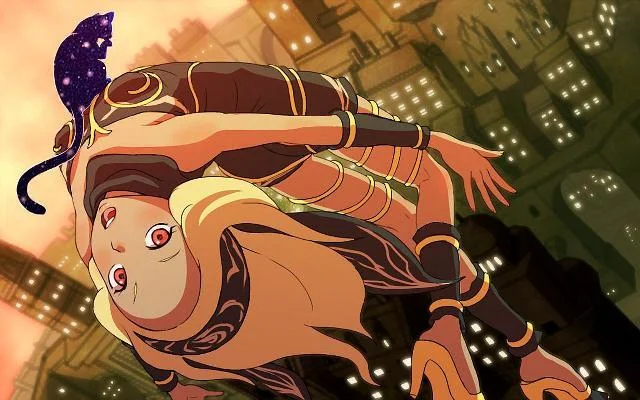
Gravity Rush 2 isn’t a perfect game — the camera can be messy, combat can be exhausting, and some side missions are genuinely boring. It’s not the most polished action game out there. But it stands out because of its gravity mechanics, its distinctive art style, and its commitment to giving the series a proper ending.
After finishing it, you’ll remember the sound of wind as Kat falls from the sky, and the image of a girl who turned the world upside down — and said goodbye to it the same way. No sequel is currently planned, but if there had to be a final chapter, this one gives Kat a farewell that feels earned.
Copyright Notice: All game screenshots, character images, and related materials referenced in this article are the property of Sony Interactive Entertainment and their respective rights holders, and are used solely for the purposes of game introduction, review, and commentary.
Comments (0)
No comments yet