
Trails in the Sky Explained: Story, Combat, and Why It Still Matters in 2026

In September 2025, the full remake The Legend of Heroes: Trails in the Sky 1st Chapter was released. Its direct sequel, The Legend of Heroes: Trails in the Sky 2nd Chapter, is set to launch worldwide on September 17, 2026.
Twenty years later, the series is still being remade, discussed, and discovered by new players.
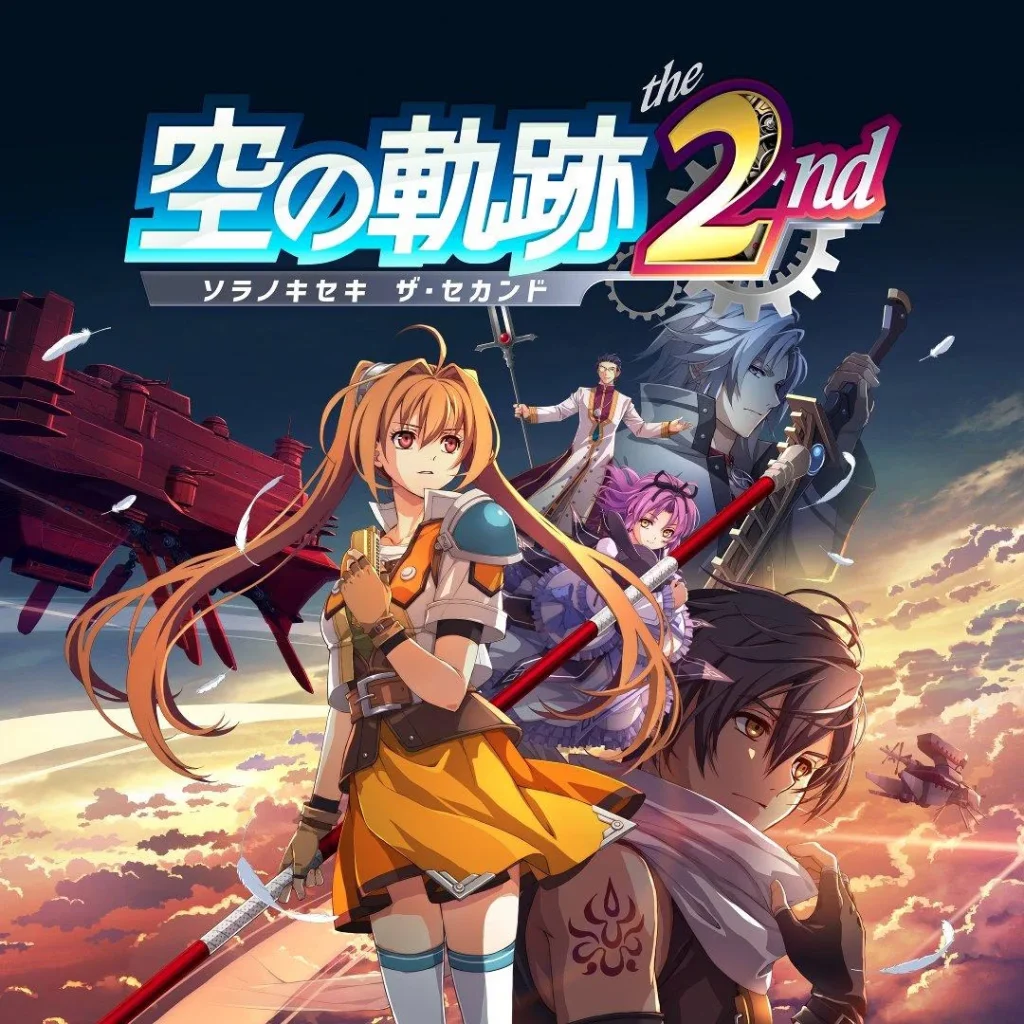
For anyone who has never touched a Trails game, this is a chance to start from zero—no need to catch up on earlier entries, just pure immersion in the beginning and the full arc of this long‑running JRPG series. For longtime fans, this return trip to the kingdom of Liberl is simply waiting for you to board.
The World After the Orbal Revolution
The story of Trails in the Sky takes place on a continent called Zemuria. A mysterious energy known as “Orbal energy” was discovered and widely adopted, giving rise to airships, orbal communication networks, and various automated machines. This “Orbal Revolution” transformed daily life and upset the balance of power among the great nations.
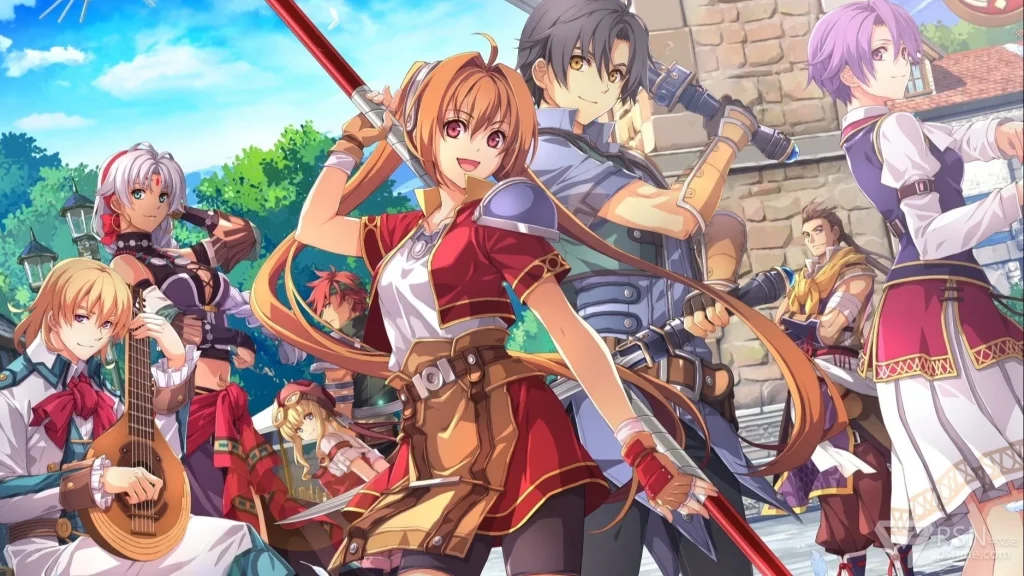
The kingdom of Liberl, a small country sandwiched between the Erebonian Empire and the Calvard Republic, appears peaceful and prosperous on the surface, but has quietly become a chessboard where various factions struggle behind the scenes.
In this era, a special profession stepped into the spotlight: the bracer. Bracers are not bound to any government. Their mission is to protect civilians and maintain regional peace, operating as independent peacekeepers and licensed adventurers, walking the edge of danger.
Estelle and Joshua: Not Heroes, But Each Other’s Sun
The main protagonists are a pair of unrelated teenagers who grew up like siblings: Estelle Bright and Joshua Bright.
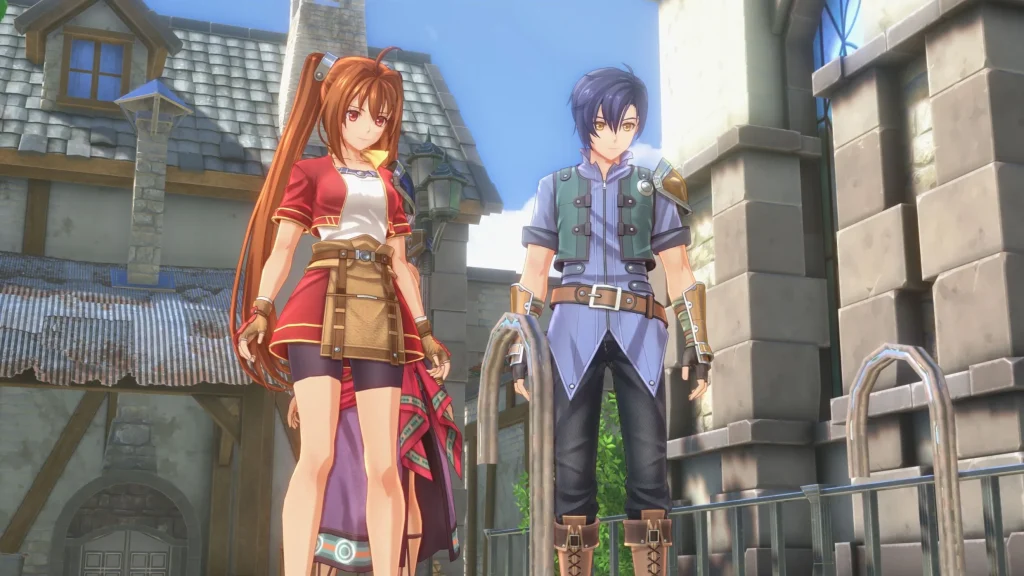
- Estelle: Impulsive, optimistic, and often acts before thinking. She wields a long staff and charges forward with relentless energy, even when her plans go sideways.
- Joshua: Calm, analytical, and considerably more reserved. Adopted by Estelle’s father—the legendary bracer Cassius Bright—he is skilled in strategy and infiltration.
As they travel through Liberl to become full‑fledged bracers, they meet a number of companions along the way: the heavy‑drinking bracer Scherazard Harvey, the mysterious minstrel Olivier Lenheim, and the twelve‑year‑old prodigy orbal engineer Tita Russell. Many of these seemingly chance encounters eventually point toward the same shadowy organization: Ouroboros.
What initially feels like a collection of unrelated stories gradually reveals a larger conspiracy. By the end, nearly every thread points toward the same crisis.
The “FC + SC” Narrative Structure: Why It Dared to Be Different
It’s worth clarifying something upfront.
Trails in the Sky FC is not a self‑contained story. It’s the first volume of a long novel—the characters have just begun their journey, the full picture of the world has barely been hinted at, and then the screen fades to black and the credits roll.
What made countless players remember this series was the enormous cliffhanger at the end of FC, and SC‘s near‑perfect payoff of those hanging threads. In the years since, FC’s ending has become one of the most discussed cliffhangers in JRPG circles.
In 2004, splitting a single story across two games and making players wait a year and a half for the conclusion required real confidence. Falcom bet that “players will trust our story”—and many would argue that they won. FC dug the hole, SC filled it. That two‑game structure is often cited as a core reason why the Trails series built such a dedicated following.
Combat: Orbments, AT Turns, and S‑Crafts
Trails in the Sky’s combat system isn’t complicated, but it’s highly distinctive.
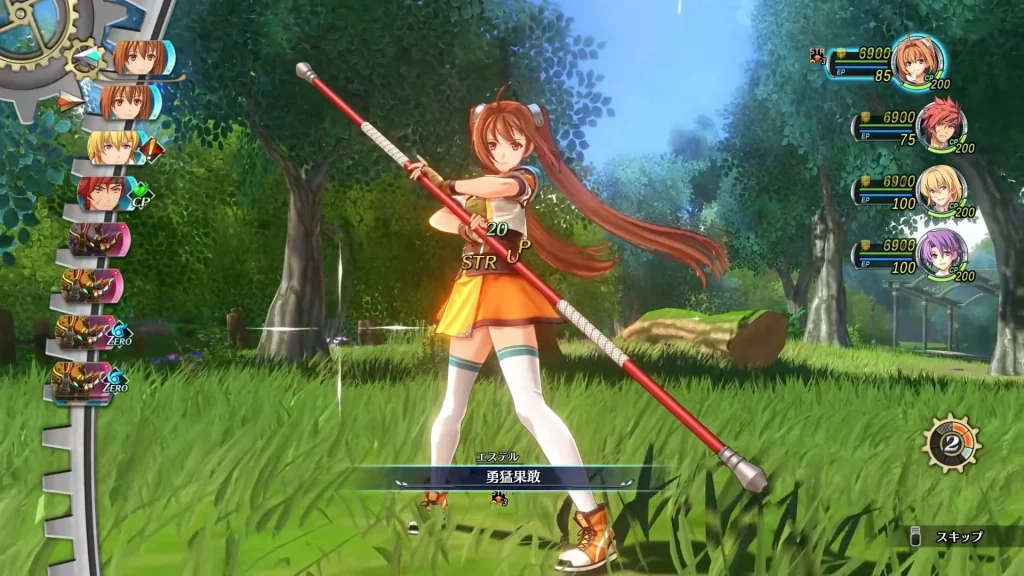
- Tactical Orbments : Each character carries a small device. By inserting different “quartz” (crystallized Sepith) into its slots, you gain stat boosts and learn orbal arts. The layout of the orbment’s “elemental lines” varies by character, and certain slots restrict the type of quartz you can use—this determines each character’s natural talent for offensive vs. support arts.
- AT (Action Time) Battle System : Turn‑based command battles with a timeline displayed on the left side of the screen. Arts have a cast time and can be delayed if the caster is hit. This adds a strategic layer to what might otherwise be a simple turn‑based system.
- S‑Crafts : Each character has a unique super move. S‑Crafts do not consume your position on the action timeline—you can trigger them at any time. Pulling off an S‑Craft at the brink of a party wipe is a core memory for longtime fans.
- Seamless battle mode switching : The remake adds a dual‑combat system that lets you switch between real‑time action and classic turn‑based command battles on the fly.
The Cornerstone of the Trails Universe
Before Trails in the Sky, Falcom’s The Legend of Heroes had the “Gagharv Trilogy”: III: The White Witch, IV: A Tear of Vermillion, and V: Cagesong of the Ocean. That was an era of sword and sorcery, where heroes were wandering minstrels and bards singing tragic tales.
Trails in the Sky opened a brand‑new “Orbal Age”—airships streaking across the sky, technological blockades igniting power struggles among nations, and heroes no longer wandering minstrels but bracers: licensed, independent peacekeepers. The Gagharv Trilogy was the “Age of Myth.” Trails in the Sky was the beginning of the modern age. The entire 20‑year Trails saga rests on this foundation.
What Does the Remake Actually Change?
The original Trails in the Sky used chibi‑style 3D models, a fixed overhead camera, and loading screens between every area transition. Despite its masterful story, asking a newcomer to endure that in 2026 was a tall order.
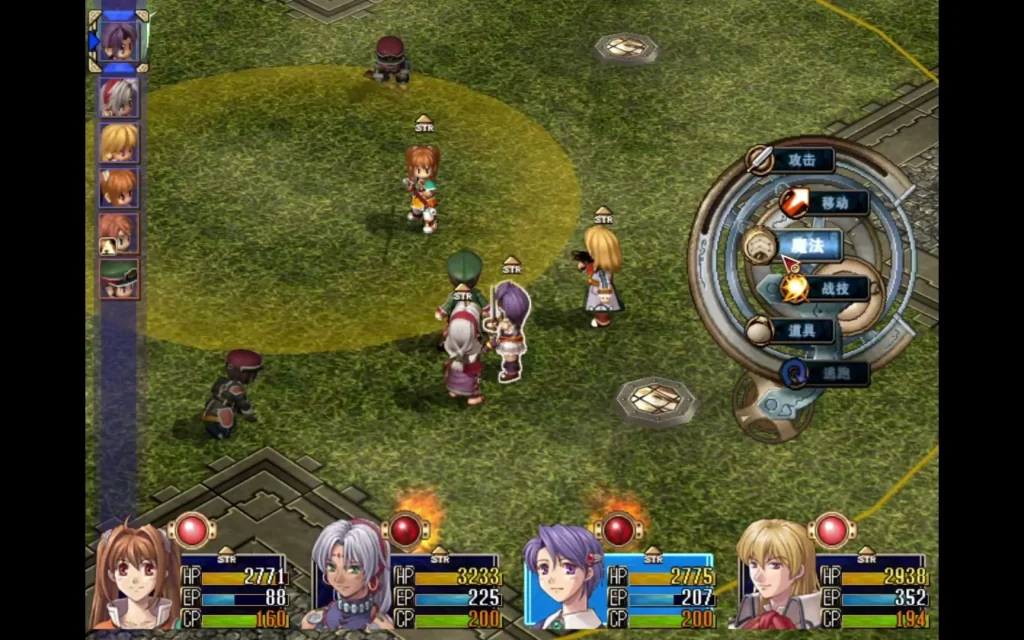
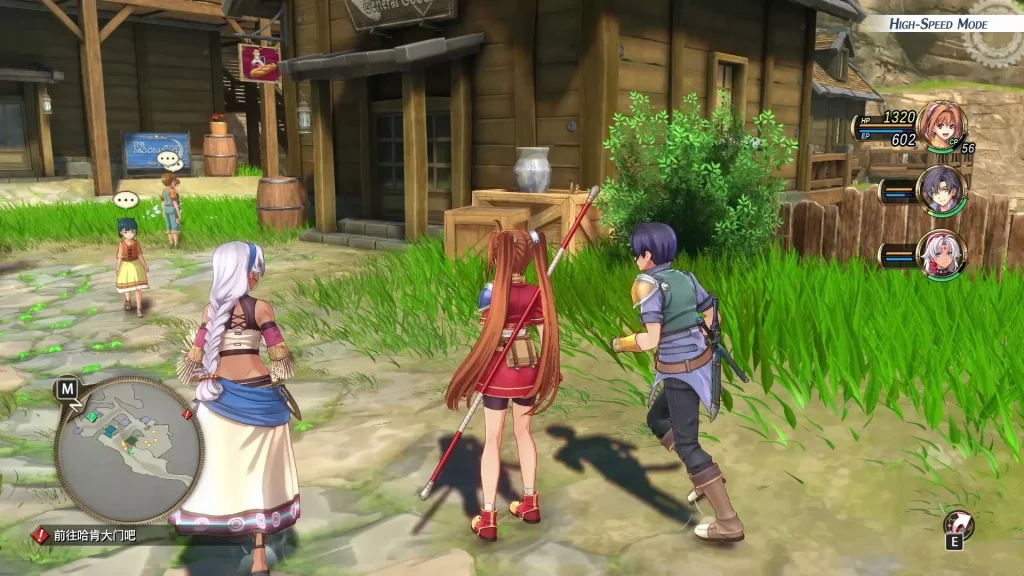
For anyone not accustomed to the feel of a 2004 JRPG, the remake’s biggest value isn’t “better graphics”—though those are certainly much improved. It’s the sheer volume of modern quality‑of‑life features. High‑speed movement, fast travel, and a freely controllable camera finally turn the kingdom of Liberl into something other than a giant maze that demands endless backtracking. Combat can now be switched seamlessly between real‑time action and classic turn‑based command battles on the fly, and the soundtrack can be freely toggled between the original, the Evo version, and the remake’s new arrangements.
The remake doesn’t change the core design philosophy of the original—it just strips away the parts that were punishing purely because of the technical limits of the time.
Some Drawbacks, Up Front
- Painfully slow pacing, especially in the first half of FC. Much of the early game is spent on world‑building and character establishment. Modern players used to faster‑paced JRPGs may feel that “nothing happens” for the first 10 hours.
- The combat system shows its age. Even with the remake’s action mode, the core mechanics—quartz management, AT turn manipulation—are still from 2004. Compared to Ys’s high‑speed action, Trails demands more patience and strategy.
- Massive amounts of NPC dialogue that refreshes after every story beat. This is both a strength and a weakness. If you want to experience all the “Trails‑style detail,” you’ll find yourself running across the entire kingdom to re‑read everyone’s lines after each small story advancement—a huge time sink for completionists.
- Some dungeons are long and repetitive. Areas like the Old Schoolhouse underground ruins and the Four Towers feature limited enemy variety and simple puzzles, padded out by sheer length.
- FC’s cliffhanger ending is famous, but it came at the cost of FC as a standalone story. A newcomer who doesn’t know SC exists might feel cheated by the abrupt ending.
- Certain routes are fairly linear, with forced encounters and backtracking that can wear on new players.
- The third entry, the 3rd, is considered by some fans to feel like a fan disc. Its structure is very different from a traditional JRPG.
- The orbment system has a real learning curve. If you don’t build your quartz lines well in the early game, you’ll find yourself getting punished in battles.
Why the Series Still Has a Loyal Following
- The music. The theme song “Where the Stars Are” (Hoshi no Arika) is widely loved. The remake’s soundtrack has been well received, and can be toggled between the original, the Evo version, and the new arrangements.
- The writing. A vast, deep world where NPC dialogue updates dynamically with every story event. Side quests are rarely filler.
- Character development. FC digs the hole; SC fills it. That two‑game payoff is rare in modern JRPGs.
FAQ
Do I need to play previous Trails games?
No. Trails in the Sky was designed as the first chapter of the modern Trails saga and is the recommended starting point for newcomers. All subsequent arcs—Zero/Azure (Crossbell), Cold Steel (Erebonia), Daybreak (Calvard)—build on the foundation laid here.
Is the remake a good entry point for someone new to JRPGs?
Yes, with caveats. The remake removes most of the technical friction (loading screens, fixed camera, slow movement) that made the 2004 original hard to recommend. But the core pacing remains deliberate—expect a slow‑burn story and a combat system that demands patience. If you’re fine with that, it’s an excellent start.
Where Should You Start?
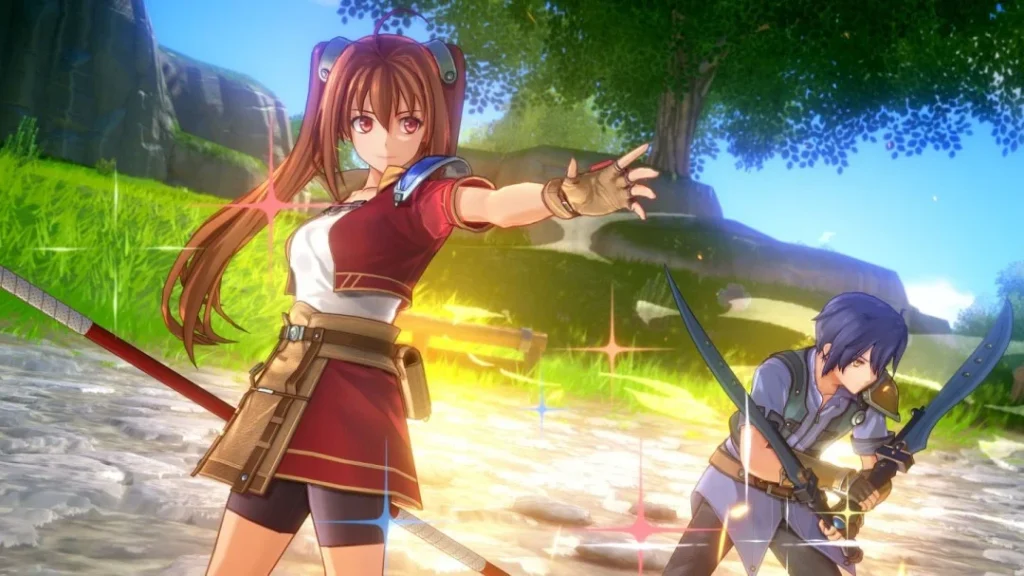
If you’ve never played a Trails game, the answer is simple: start with the remake The Legend of Heroes: Trails in the Sky 1st Chapter. Then move straight into the 2nd Chapter.
A twenty‑year classic, rebuilt with 2026 technology, requiring no prior knowledge and sparing you the stiff mechanics of the original release.
Trails in the Sky isn’t the fastest JRPG, the flashiest JRPG, or even the easiest JRPG to recommend. But few games have laid a foundation strong enough to support an entire universe for twenty years. If you’ve ever wondered why this series has such a dedicated following, Trails in the Sky 1st Chapter is probably the best possible starting point. Because almost everything that follows—Crossbell, Erebonia, Calvard—stems from here.
Copyright Notice
All game screenshots, character images, and related assets referenced in this article are the property of Nihon Falcom Corporation and their respective rights holders. This content is an original compilation. Please attribute the source when reposting.
Comments (0)
No comments yet