
What Is Octopath Traveler? The JRPG That Popularized HD-2D

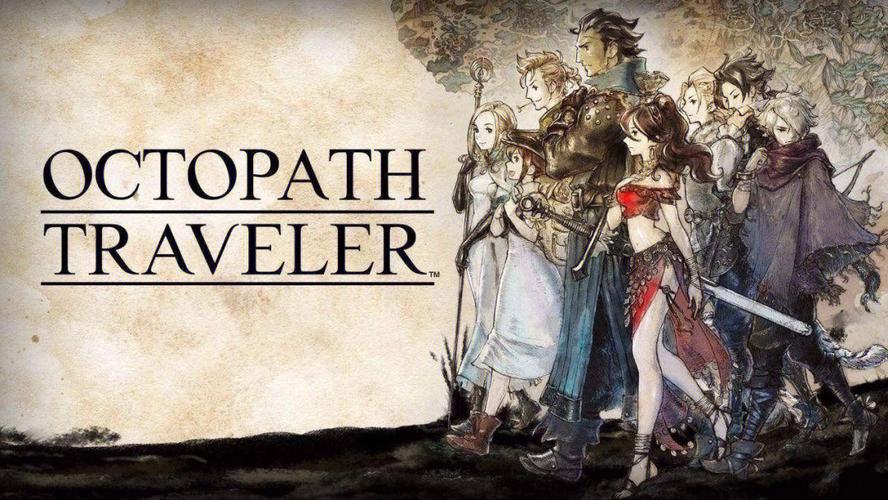
In 2018, Octopath Traveler launched on Nintendo Switch. With its HD-2D visual style and strategic turn-based combat, the game sold over five million copies worldwide and helped establish HD-2D as one of Square Enix’s defining visual brands. At its core, it’s a traditional JRPG known for eight protagonists, flexible chapter order, and the “Break & Boost” battle system.
Can you start with Octopath Traveler II?
Yes. While the original game is the best introduction to the series, each mainline entry tells a standalone story and can be played independently.
The Octopath Traveler series is now available on Nintendo Switch, PC, PlayStation, and Xbox.
If you’ve played classic RPGs from the Super Famicom era – Final Fantasy, Dragon Quest – you’ll recognize what Octopath Traveler pays homage to. Yet it’s not simple “retro.” Pixel characters stand inside 3D environments, the camera rotates, water reflects light, and fire casts shadows on walls. That hybrid look is its signature.
Orsterra and Eight Nearly Independent Stories
Octopath Traveler takes place on a continent called Orsterra, divided into eight regions, each with its own geography and culture.
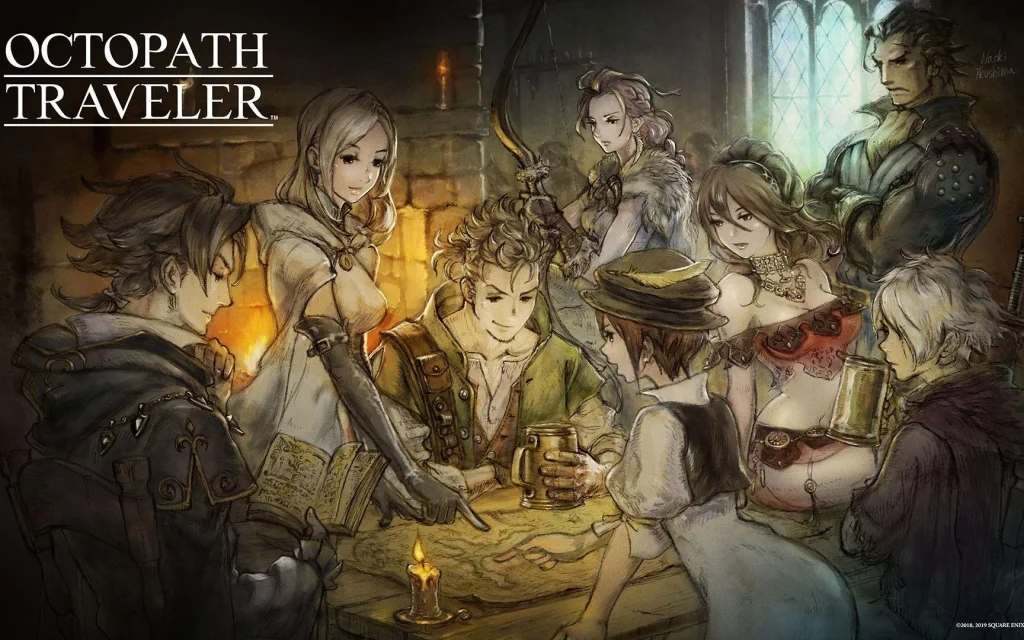
You meet eight people who have almost nothing to do with each other. They come from different walks of life – cleric, scholar, merchant, warrior, dancer, apothecary, thief, and hunter – each with a completely different goal and backstory. For example:
- Primrose (Dancer): has spent years hunting the men who murdered her father.
- Olberic (Warrior): lives under a false name after his homeland was stolen by a traitor.
- Tressa (Merchant): dreams of opening her own shop and sailing the world.
You pick one as your lead, then travel across Orsterra to recruit the other seven and play through their chapters. You can do this in almost any order, as long as your level is high enough.
The main story chapters have little interaction with each other; the vast majority of the plot is centered on each character’s personal journey. This sparked a lot of debate when the game came out – some players said “eight strangers walking together but barely talking,” while others appreciated the freedom and fragmented storytelling that many JRPGs lack.
Path Actions: One NPC, Eight Ways to Interact
In towns, each protagonist has a unique “Path Action.” For example, the scholar can “scrutinize” NPCs to obtain hidden information or unlock quest rewards; the warrior can “challenge” NPCs to duels; the thief can “steal” items with a success rate (failure lowers reputation); the hunter can “provoke” beasts to attack NPCs.
The eight actions fall into two categories: “noble” actions have level or money requirements but always succeed, while “rogue” actions can be used anytime but have failure penalties. Different characters offer different Path Actions, so the same town can feel completely different depending on who you have in your party. These designs encourage you to look at the same world from multiple angles.
Break & Boost, and the Job System: Simple on the Surface, Deep Underneath
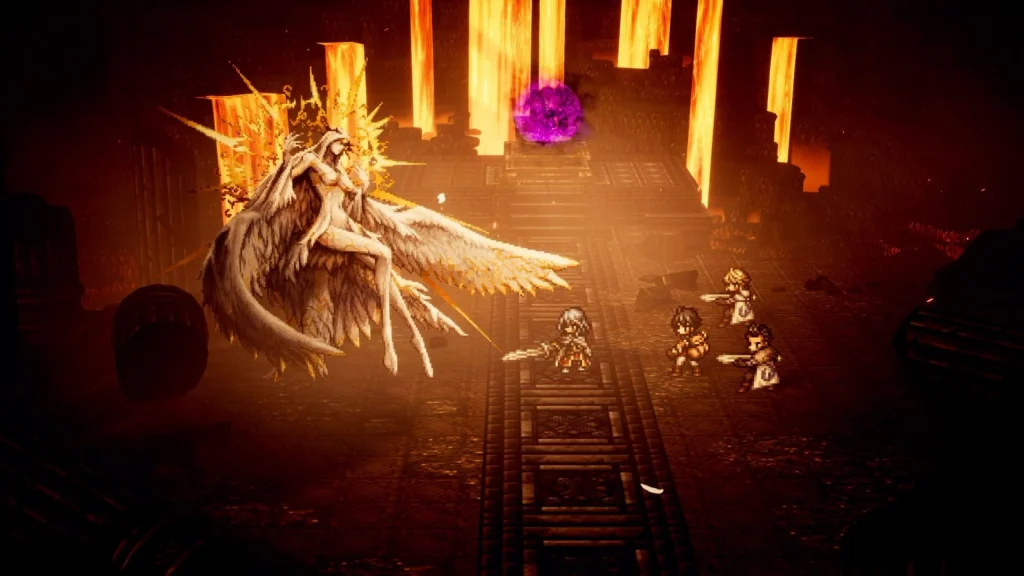
Octopath Traveler’s combat is turn‑based but moves faster than traditional JRPGs. Two core mechanics drive it:
- Break: Each enemy has several weaknesses. Attacking with the correct weapon or element multiple times will “break” the enemy, causing it to lose its turn(s) and take extra damage.
- Boost: You gain one Boost Point per turn (up to three stored). When you act, you can spend Boost Points to attack multiple times (×2, ×3, ×4) with a regular skill. Waiting until after you break an enemy to unleash boosted attacks is the key to massive damage.
Job & Sub‑Job System: As the story progresses, characters can unlock secondary jobs. A scholar can become a cleric on the side, a warrior can learn hunter skills. Different job combinations affect skill sets and party roles, forming a major part of the late‑game team building.
The combat system was widely praised by critics for rewarding strategic planning and enemy weakness exploitation.
HD-2D: Not Retro, Reinvented
HD-2D is a trademarked term by Square Enix. Octopath Traveler was the game that systematically established and popularized this visual style. In short, it uses Unreal Engine 4 to place 16‑bit pixel characters into 3D environments, allowing free camera rotation, depth of field, dynamic lighting, and volumetric fog, while preserving the texture and vibrant colors of pixels.
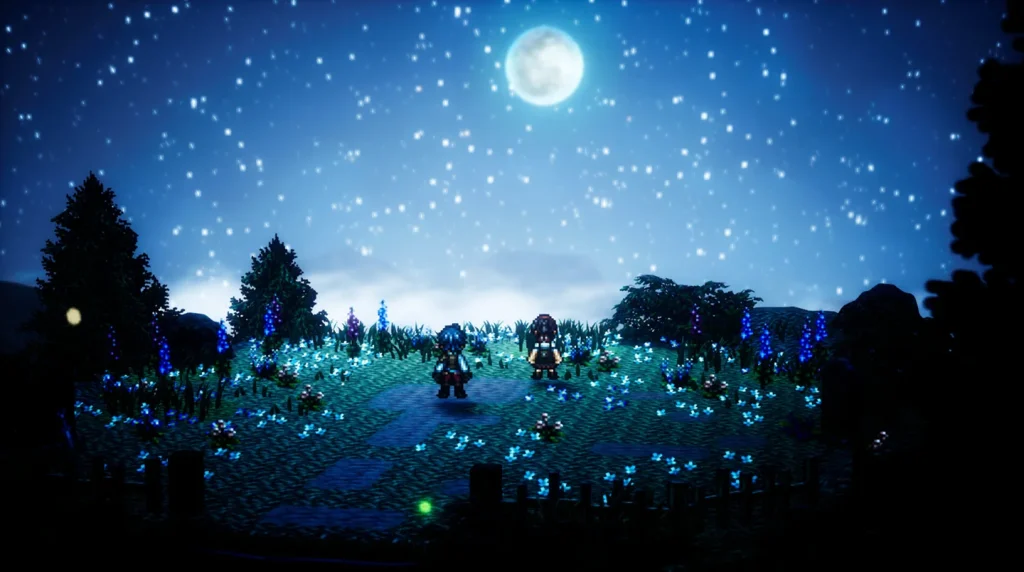
In early interviews, the development team said they originally planned a standard 2D pixel game. After studying many classic early PlayStation titles, they decided to reimagine pixels in 3D. At its peak, only six programmers worked on the project, and they relied heavily on Unreal Engine 4 to achieve this level of complexity.
Square Enix later turned HD-2D into a long‑term visual brand, applying it to Triangle Strategy, the remake of Live a Live, and the HD‑2D remake of Dragon Quest III. It also influenced many indie games that adopted a similar pixel‑meets‑3D visual style.
Octopath Traveler II: A Thorough Expansion on Its Predecessor
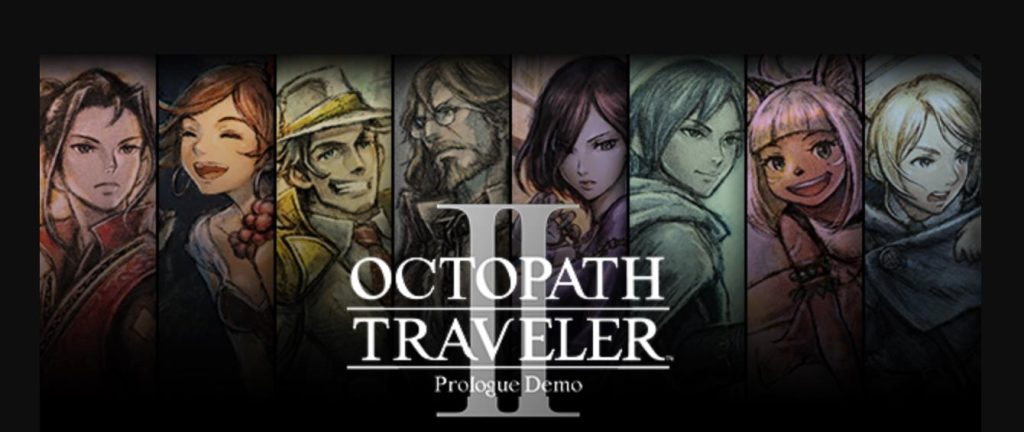
In 2023, Octopath Traveler II launched, moving its setting from Orsterra to a new continent called Solistia, split by a vast sea. All eight protagonists are new, and the story and gameplay were comprehensively upgraded.
In Octopath Traveler II, the development team deliberately widened the protagonists’ motivations: one wants to “bring smiles to people,” while another plans to “avenge his murdered wife and daughter, regaining his freedom after 1,879 days in prison.” The new cross‑story system added more dialogue and connections between the eight characters – for the first time, it truly felt like they were traveling together.
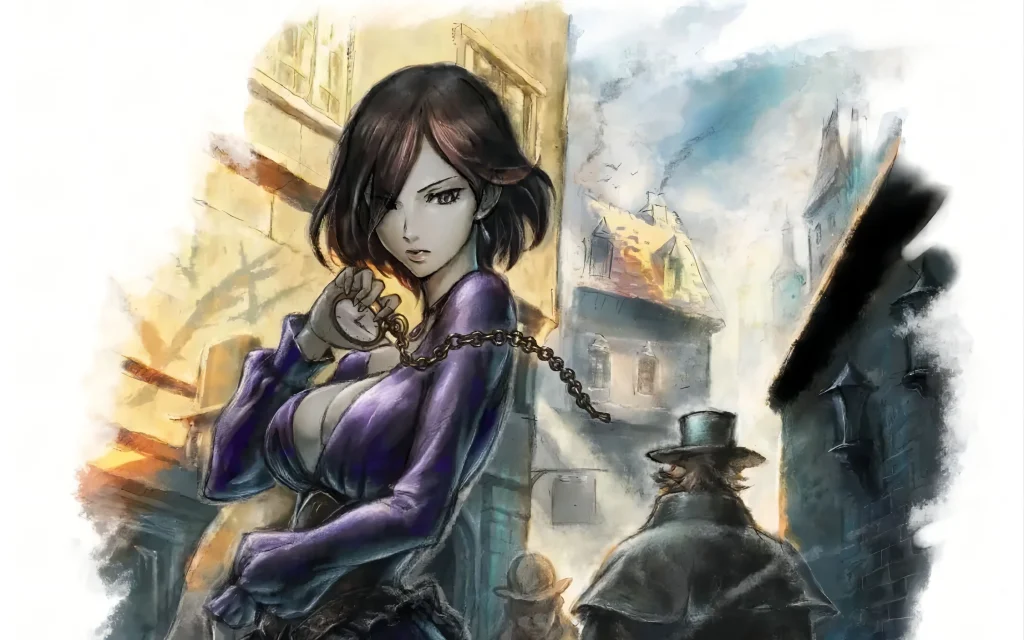
Visually, the sequel is often called “Super HD-2D”: character proportions are taller, cutscenes feature more dynamic camera angles, and the color palette is brighter. The team’s stated goal was “every screenshot should look like a landscape painting.” Many outlets saw it as a major evolution of the series; IGN gave it high praise, and the game maintains a strong user reception on Steam.
Spin‑Offs and Future Entries
- Octopath Traveler: Champions of the Continent: A single‑player mobile RPG set in Orsterra as a prequel to the original. Eight protagonists revolve around three main storylines: “Wealth,” “Power,” and “Fame.” Its signature feature is eight‑character party battles. The music is by Yasunori Nishiki (the original composer), and the game features full Japanese voice acting.
- Square Enix has continued expanding the franchise through spin-offs and new projects.
Some Things New Players Should Know
The biggest criticism of Octopath Traveler is that its eight protagonists rarely interact in the main story. If you’re looking for a tightly connected party‑centric narrative, this may feel frustrating.
Party management can also feel restrictive: you can only change party members at taverns, not in the field. This means you might cross half a map only to realize you need a different character’s Path Action.
The sequel, Octopath Traveler II, addresses many of these issues with more cross‑character dialogue and better pacing. For players who value group dynamics, starting with the second game is a valid alternative.
Is Octopath Traveler Worth Playing?
Octopath Traveler isn’t the most interconnected JRPG ever made, nor the most character‑driven. But its distinctive HD-2D presentation and strategic combat helped define a new era for traditional turn‑based RPGs.
For newcomers curious about the genre, it remains one of the strongest entry points into modern turn‑based JRPGs. If you value freedom, deep job customization, and a combat system that rewards careful planning, Octopath Traveler is very much worth your time.
Even in 2026, Octopath Traveler remains one of the best examples of modern turn‑based JRPG design and one of the defining titles of the HD-2D era.
Copyright Notice
All game screenshots, character images, and related assets referenced in this article are the property of Square Enix and their respective rights holders. This content is an original compilation. Please attribute the source when reposting.
Comments (0)
No comments yet